
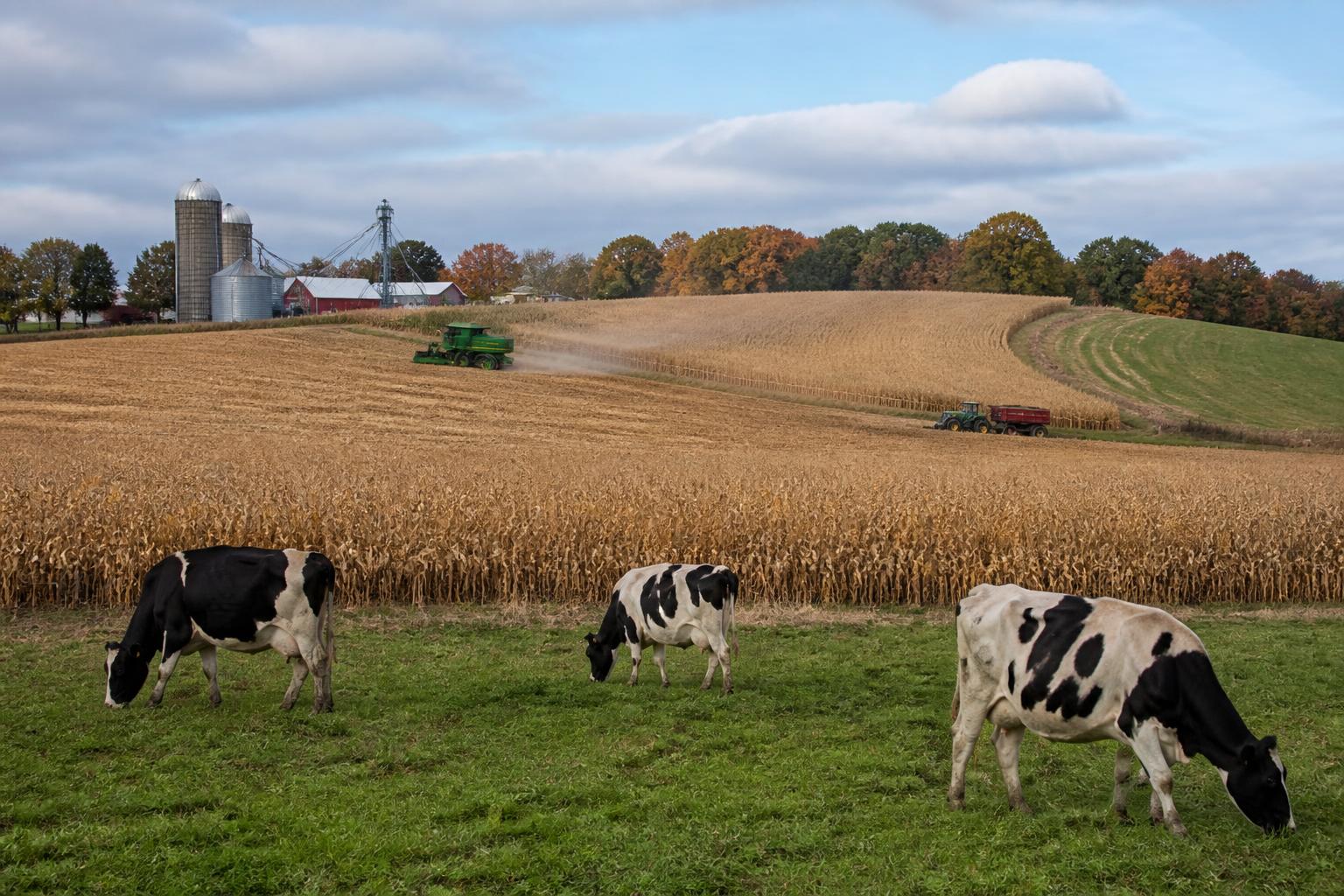
For many Wisconsin agricultural producers, the fall season represents a pivotal window for securing output and managing post-harvest logistics. As operations ramp up across the state, farmers are operating within an increasingly complex economic environment, marked by recent shifts in trade relations and broader, ongoing discussions regarding federal support and conservation resources.
The current market landscape is heavily influenced by the interplay between global trade policy and local production costs. As tariffs continue to fluctuate between the U.S. and key neighbors like Canada, producers often find themselves managing the ripple effects in real-time. These dynamics underscore the importance of staying informed on navigating market volatility and harvest preparations as commodity price stability remains a central concern for grain handlers and farmers alike.
Logistics and Resource Management
Efficient movement of goods continues to be a priority for elevators and carriers. With the recent legislative focus on rail reliability, the industry is closely monitoring how transit bottlenecks might affect regional grain movement. For those in the sector, staying ahead of potential disruptions is essential, particularly when balancing immediate harvest needs with long-term infrastructure health. Insights into Wisconsin grain logistics can offer valuable context for planning transport and storage strategies as the volume of throughput increases.
Beyond physical logistics, producers are navigating a changing landscape of federal aid. As local offices manage staffing levels, there is renewed emphasis on self-reliance and regional knowledge-sharing for essential programs, such as managing nutrient runoff risks. Careful attention to managing fertilizer uncertainty remains a practical step for producers looking to protect their bottom line heading into the next cycle.
What it means for the market
Producers should prepare for continued price sensitivity as trade policies evolve and international protein demand shifts. While the current outlook involves navigating a tighter economic margin, the ability to manage localized risks—ranging from storage bottlenecks to input cost spikes—will likely define the success of this year's harvest phase. Maintaining flexible, data-driven planning will remain the best defense against regional market fluctuations throughout the remainder of the season.
Comments
No comments yet - be the first to share your take.