
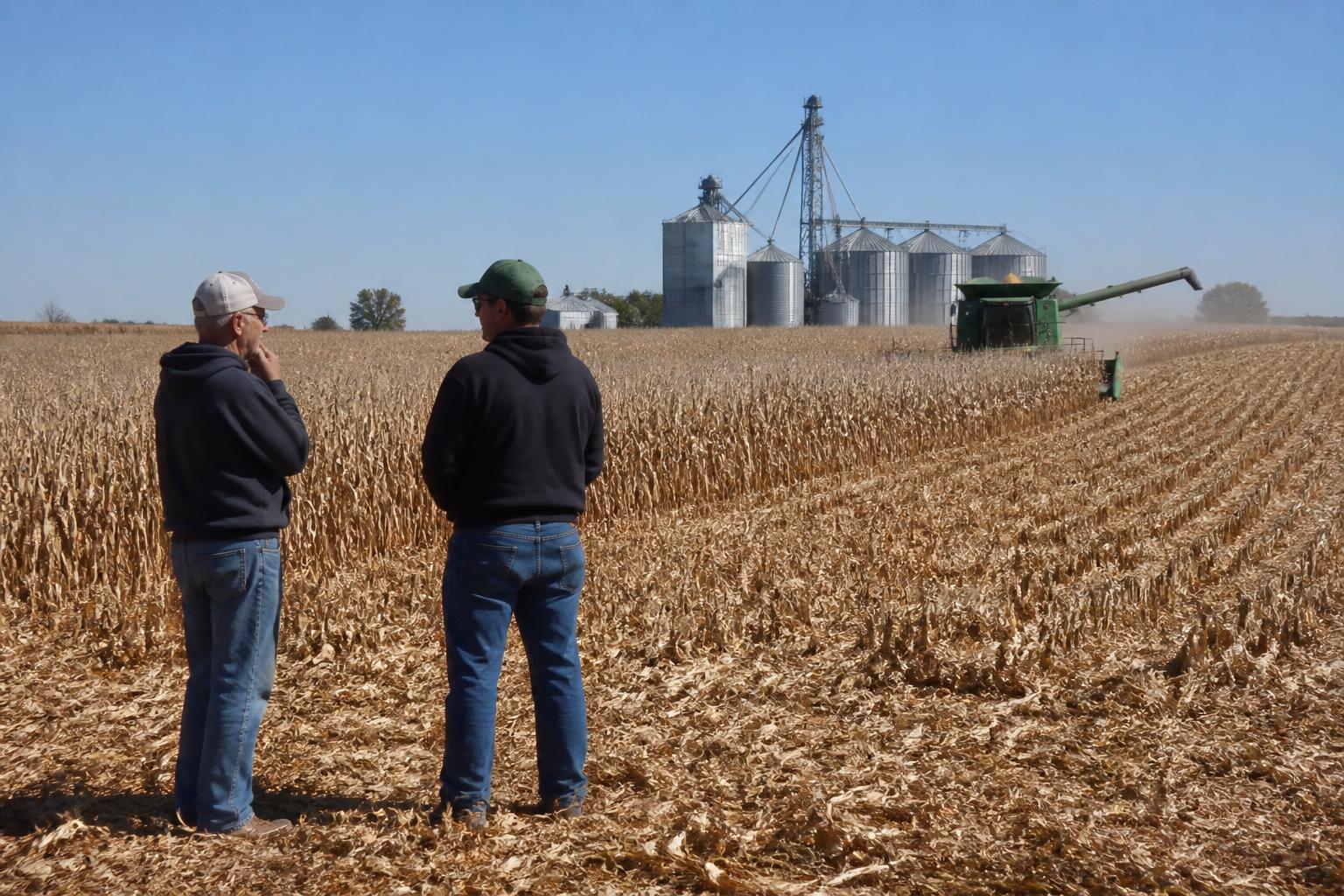
Washington's agricultural sector is navigating a period of significant structural change, characterized by both shifting trade environments and evolving logistical infrastructure. As the state moves deeper into the fall harvest, producers and agribusinesses are keeping a close watch on the facilities that bridge the gap between field and export markets.
Recent consolidation in the cold storage industry, such as the acquisition of facilities in the Bellingham region, signals a broader trend toward integrated logistical capability. For growers in the Pacific Northwest, access to reliable, state-of-the-art cold storage is often critical for maintaining product quality and ensuring that high-value harvests remain stable while awaiting shipment through busy coastal ports.
Infrastructure and Regional Resilience
The stability of the regional supply chain remains a priority as market participants adjust to changing operational landscapes. While some sectors face pressures related to input availability and fluctuating operational costs, investment in infrastructure like cold storage suggests a long-term commitment to enhancing how Washington agricultural goods are handled. These logistical hubs often provide the necessary cushion for farmers to manage their product movement more effectively, especially when global market conditions or port traffic create bottlenecks.
For producers navigating the current climate, understanding how these Washington logistics and market dynamics influence local movement is essential. Maintaining a flexible approach to storage and transport can help mitigate some of the uncertainties inherent in regional and international trade.
Strategic Planning for the Season Ahead
As the season progresses, the focus shifts toward optimizing the flow of goods to meet export demand. Stakeholders are encouraged to monitor how shifts in facility ownership and operational capacity might influence local freight availability and storage costs in key agricultural counties. Staying informed on these trends allows operators to adjust their planning and better position themselves against potential disruptions in the wider supply chain.
What it means for the market: The ongoing investment in regional cold chain infrastructure underscores the strategic importance of Washington as a gateway for agricultural exports. While macro-level market pressures persist, the expansion of local handling capacity may offer growers greater flexibility in managing inventory, provided they remain proactive in coordinating their transport and storage needs as the season hits its peak.
Comments
No comments yet - be the first to share your take.