
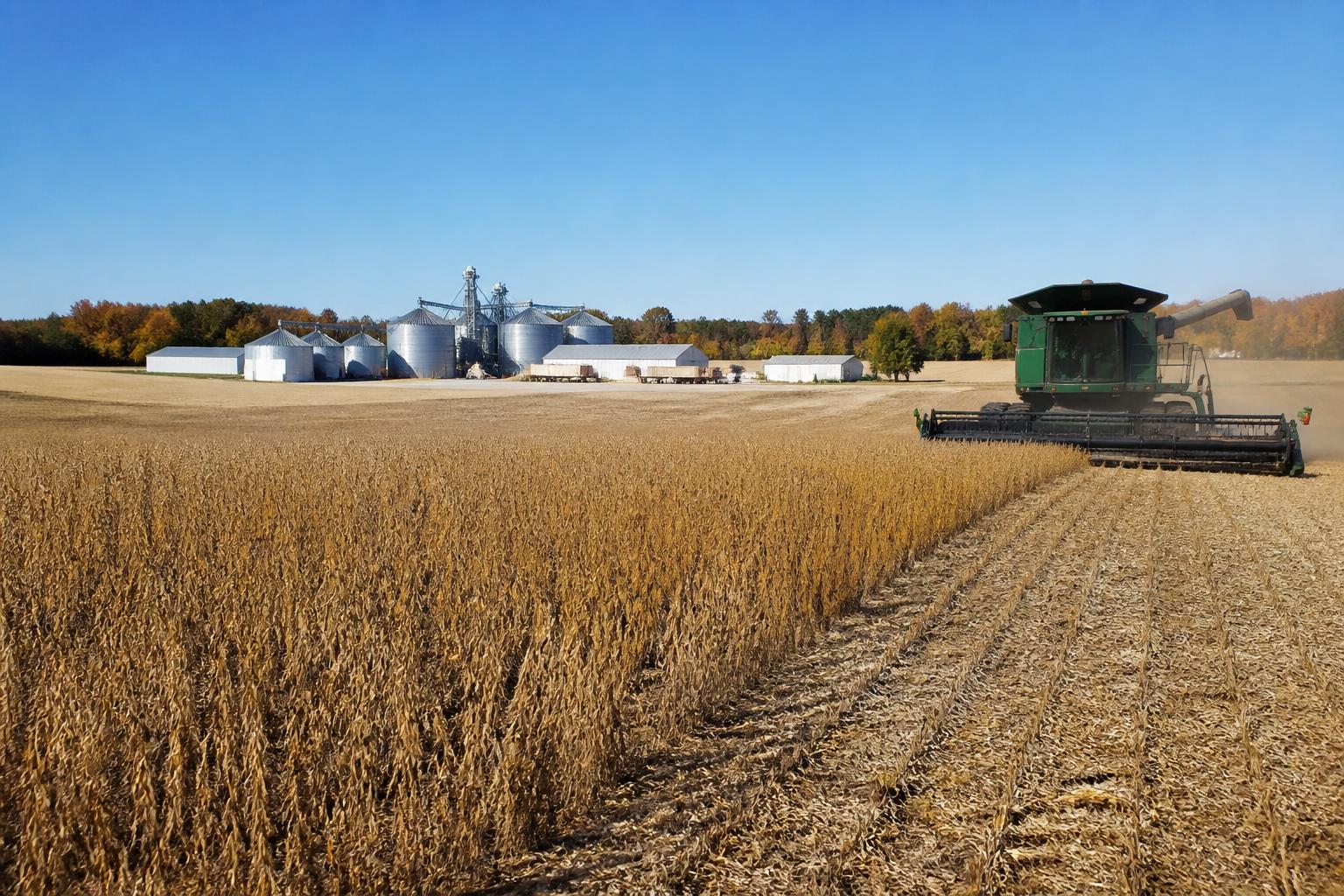
The arrival of autumn brings a surge in logistics activity across Indiana as field operations ramp up for the primary harvest. Maintaining the smooth transition of grain from the field to local terminals or regional storage facilities remains a top priority for agribusinesses. With the state serving as a critical hub for agricultural production, keeping equipment moving efficiently along major corridors is essential to managing the seasonal bottleneck.
Effective grain handling often requires proactive planning, particularly when considering the interplay between local infrastructure and transportation. For those managing heavy loads, recent discussions regarding legislative adjustments to truck weight limits in the state may have significant implications for logistics planning. Understanding the evolving regulatory landscape is key for operators looking to optimize transport efficiency during the busy months ahead.
Refining Logistics for Maximum Yield
Maximizing the efficiency of the grain logistics cycle often relies on well-maintained equipment and strategic route selection. As regional transport pressures grow, operators are increasingly focused on reducing idle times at elevators. In some cases, utilizing upgraded terminal facilities can help bypass historical constraints, ensuring that grain moves out of local bins and into the broader supply chain networks with greater speed.
Input Access and Market Preparedness
While the focus is currently on the harvest, securing long-term logistics resilience is a foundational element for the next season. The introduction of new biotechnology headquarters and regional hubs in the state reflects a broader trend of strengthening local infrastructure. These developments can eventually improve access to essential inputs, further insulating local agribusinesses from global logistics volatility. As discussed in recent market resilience reports, preparing for these infrastructure shifts is just as important as the day-to-day management of seasonal tasks.
What it means for the market: The current landscape in Indiana demands a heightened focus on logistical agility. By aligning transport strategies with local infrastructure capabilities and staying informed on regulatory updates, farmers and grain handlers can mitigate the impacts of seasonal volume spikes and maintain stable profit margins through the end of the year.
Comments
No comments yet - be the first to share your take.