
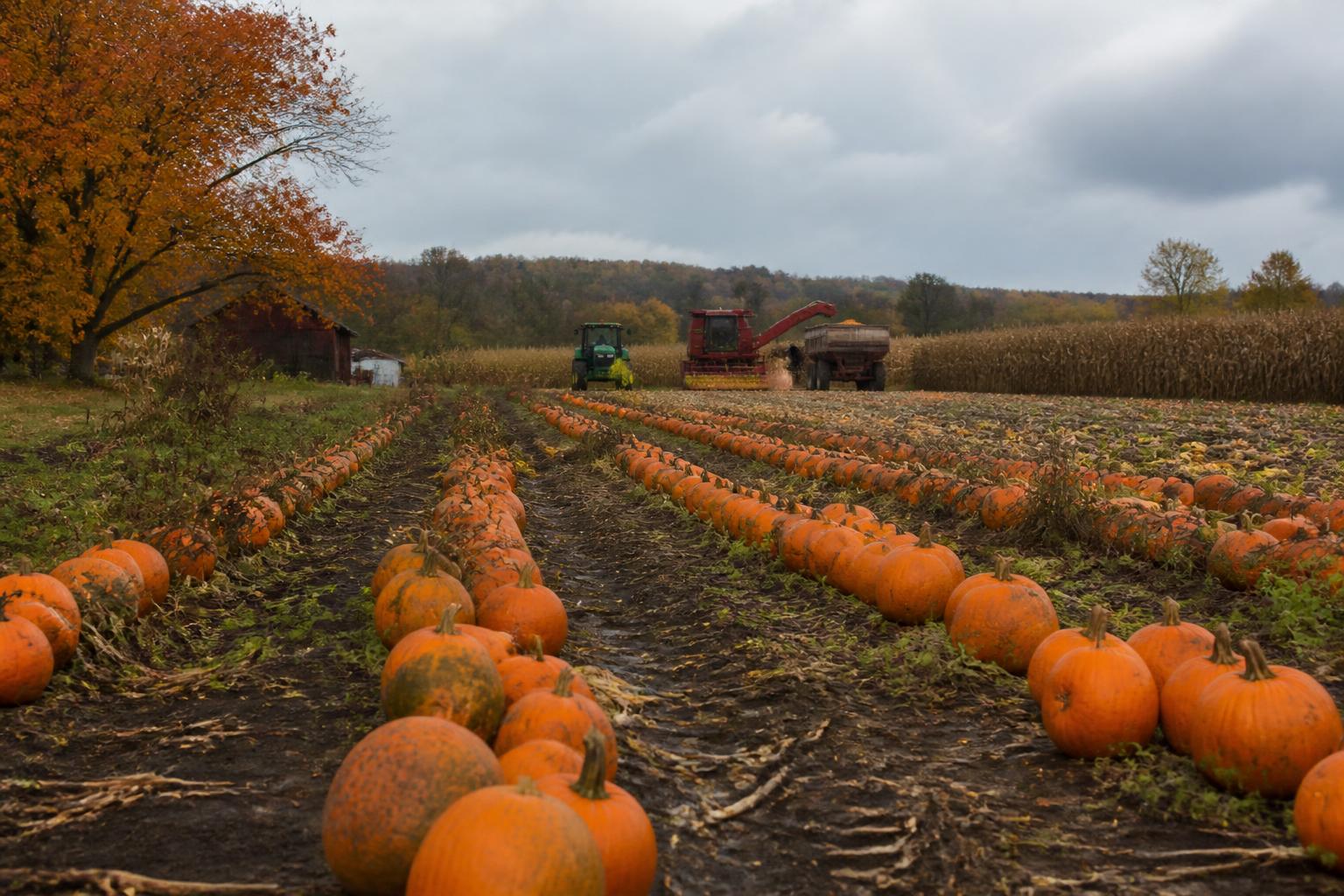
As the Indiana harvest gains momentum across the state, many producers are navigating a complex intersection of environmental variables and seasonal logistics. While the fall season typically marks a push to move crops from field to storage, recent patterns of uneven rainfall have complicated field access in various counties, forcing many operators to adjust their daily timelines to protect soil health and maximize efficiency.
For those managing the flow of grain, these weather-related challenges often intensify the need for careful coordination at the elevator. Ensuring timely transport remains a focal point for many agribusinesses as they work to balance storage capacity against the pace of the harvest. Strengthening ag logistics and regional supply chains has become a priority to minimize delays that can occur when wet conditions limit transit options or slow down receiving facilities.
Managing Risk and Resource Allocation
Beyond the immediate demands of the field, Indiana producers continue to evaluate their long-term management strategies. Many farmers are looking for ways to diversify their operations or seeking guidance on legislative priorities that impact the broader agricultural landscape. Understanding the role of safety nets, such as the grain indemnity fund, provides a layer of operational security during seasons where market volatility and local logistics hurdles may overlap.
Furthermore, as growers work to optimize their input management and harvest timing, the value of robust, locally supported storage solutions remains critical. Whether relying on on-farm bins or coordinating with local cooperatives, maintaining grain quality under fluctuating moisture conditions is essential for protecting market value throughout the autumn cycle.
What it means for the market
Producers should continue to emphasize flexibility in their logistics planning, as localized weather events can quickly shift from minor delays to more significant bottleneck issues. By focusing on monitoring basis trends and local elevator capacity, farmers can better navigate the pressure of the peak harvest window and ensure that grain movement remains as efficient as possible despite the year-to-year variability in seasonal conditions.
Comments
No comments yet - be the first to share your take.