
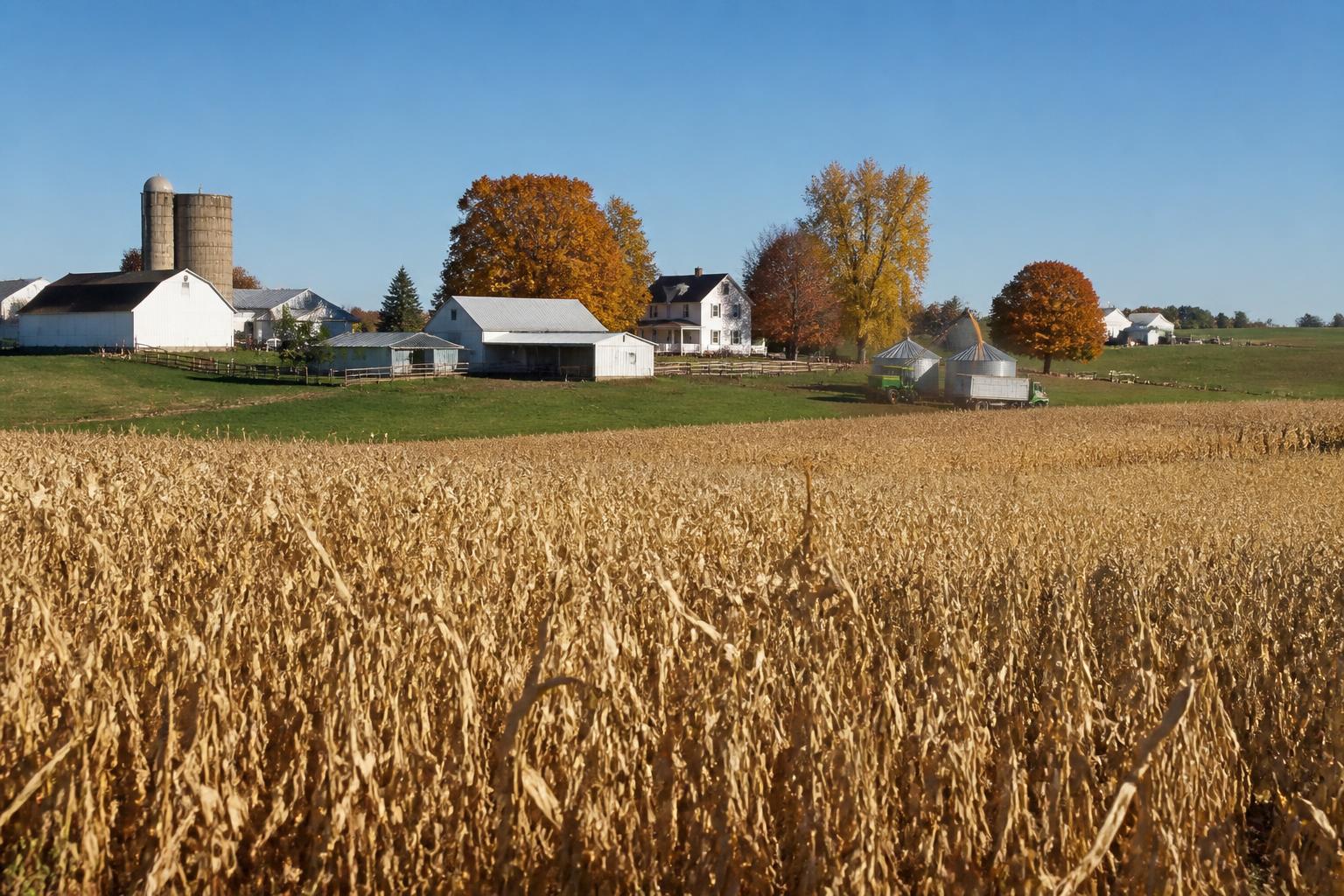
As Indiana producers push forward with the fall harvest, the focus shifts toward maintaining operational continuity amidst variable weather conditions. For many farmers across the state, from the northern corn belt to the southern regions, the priority remains maximizing field efficiency while navigating the inherent pressures of a high-volume harvest window.
Ensuring that logistics networks stay fluid is critical during this period. Understanding how to manage grain movement and equipment flow is essential for minimizing downtime at local elevators and grain processing facilities. Producers are reminded that proactive communication with local transport partners can often mitigate bottlenecks that typically arise as trucks move between field and bin.
Prioritizing Equipment Readiness and Technical Support
With the current reliance on advanced machinery, keeping equipment in top condition is paramount. Whether dealing with routine repairs or unexpected mechanical challenges, accessing technical and financial resources provided by organizations like the USDA can be a valuable lifeline for many in the industry, especially following seasons impacted by severe weather. Maintaining a balanced approach to input storage and field equipment management is key to strengthening supply chain resilience as volume peaks.
What it means for the market
The state remains a significant player in the national agricultural economy. With consistent demand for Indiana corn and soybeans, maintaining smooth logistics and strong on-farm infrastructure is not just about immediate harvest speed-it is about protecting the long-term value of the crop and ensuring that local operations remain competitive in both domestic and international markets.
Comments
No comments yet - be the first to share your take.