
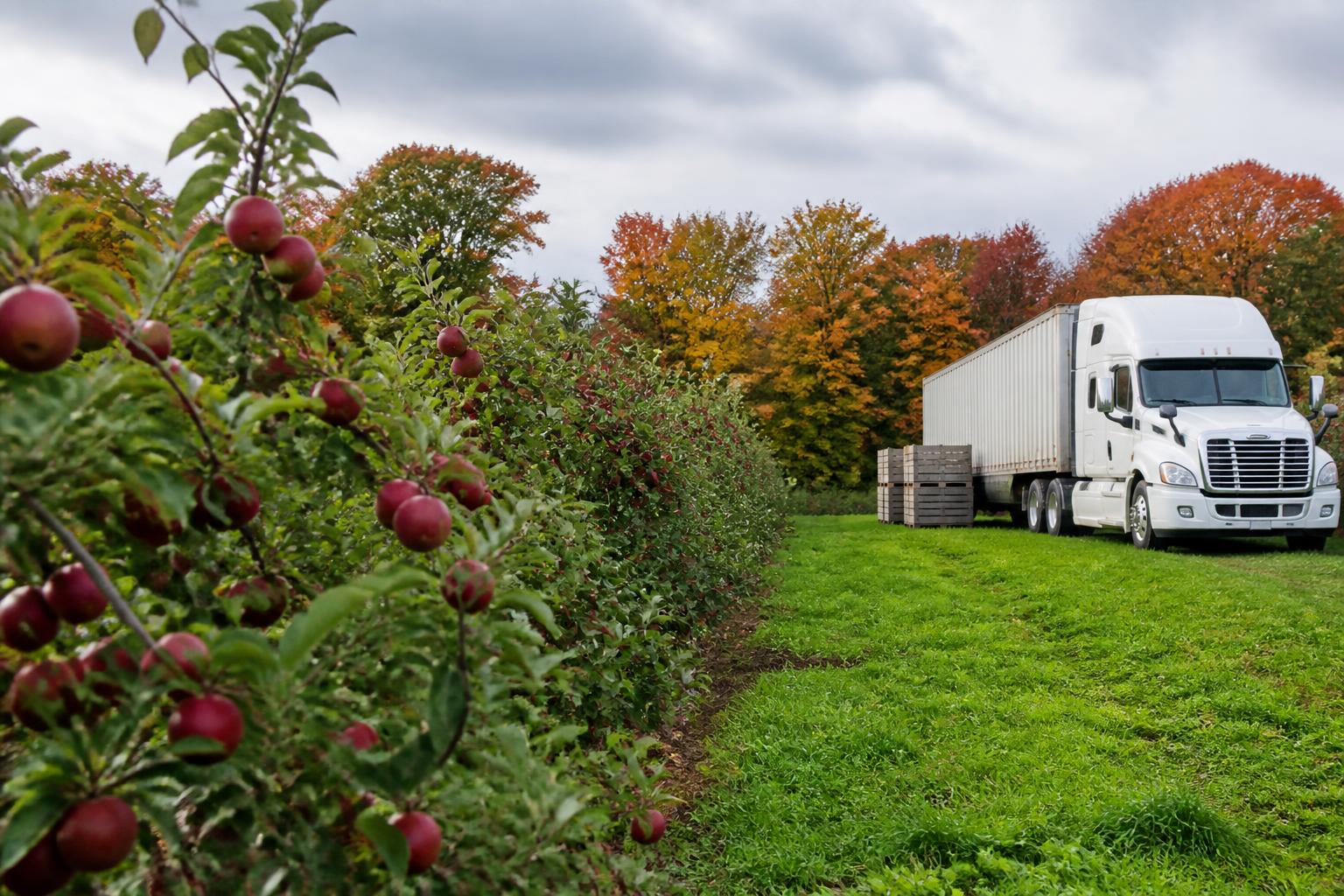
The arrival of October across Michigan's agricultural heartlands brings the intensive rhythm of the fall harvest. For grain handlers, elevators, and growers throughout the state, this period represents the most critical logistical window of the year. With crops moving from field to storage and beyond, the interplay between transport capacity and operational efficiency becomes the primary driver of market success.
Navigating these seasonal shifts often requires a proactive approach to carrier relationships. In regions ranging regions from the agricultural hubs of the Thumb to the fruit belts of the west, producers are increasingly aware that equipment availability can fluctuate as harvest intensity peaks. Beyond the immediate logistical hurdles, businesses are also recalibrating their budgets to account for ongoing shifts in operational expenses and labor requirements, which remain a top-of-mind concern for many agricultural managers heading into the final quarter of the year.
Optimizing Supply Chain Reliability
For those managing the flow of commodities, the challenges of Michigan fall logistics are compounded by the need for precise timing. Whether you are dealing with seasonal spikes in freight demand or ensuring that machinery is positioned effectively near major hubs, the ability to maintain a steady movement of goods is essential. This often involves vetting transport partners who understand the nuances of local weight restrictions and the specific timelines associated with different commodities, from specialty crops to bulk grains.
Looking Ahead: Strategic Planning
As the state pushes through the busiest months of the harvest, industry participants are encouraged to monitor fuel price trends and labor availability closely. Strategic planning, such as diversifying storage options or securing transportation agreements early, can provide a buffer against the unpredictability of late-season market volatility. Maintaining flexibility in your supply chain is not just a defensive measure; it is a way to ensure that your operation remains competitive when harvest windows tighten.
What it means for the market
For Michigan agribusinesses, the current environment underscores the need for localized logistical resilience. While external factors such as labor and energy costs are difficult to control, the focus remains on optimizing internal efficiencies—prioritizing reliable freight partnerships and clear communication with transport providers to ensure that the 2026 harvest reaches its destination without avoidable delays.
Comments
No comments yet - be the first to share your take.