
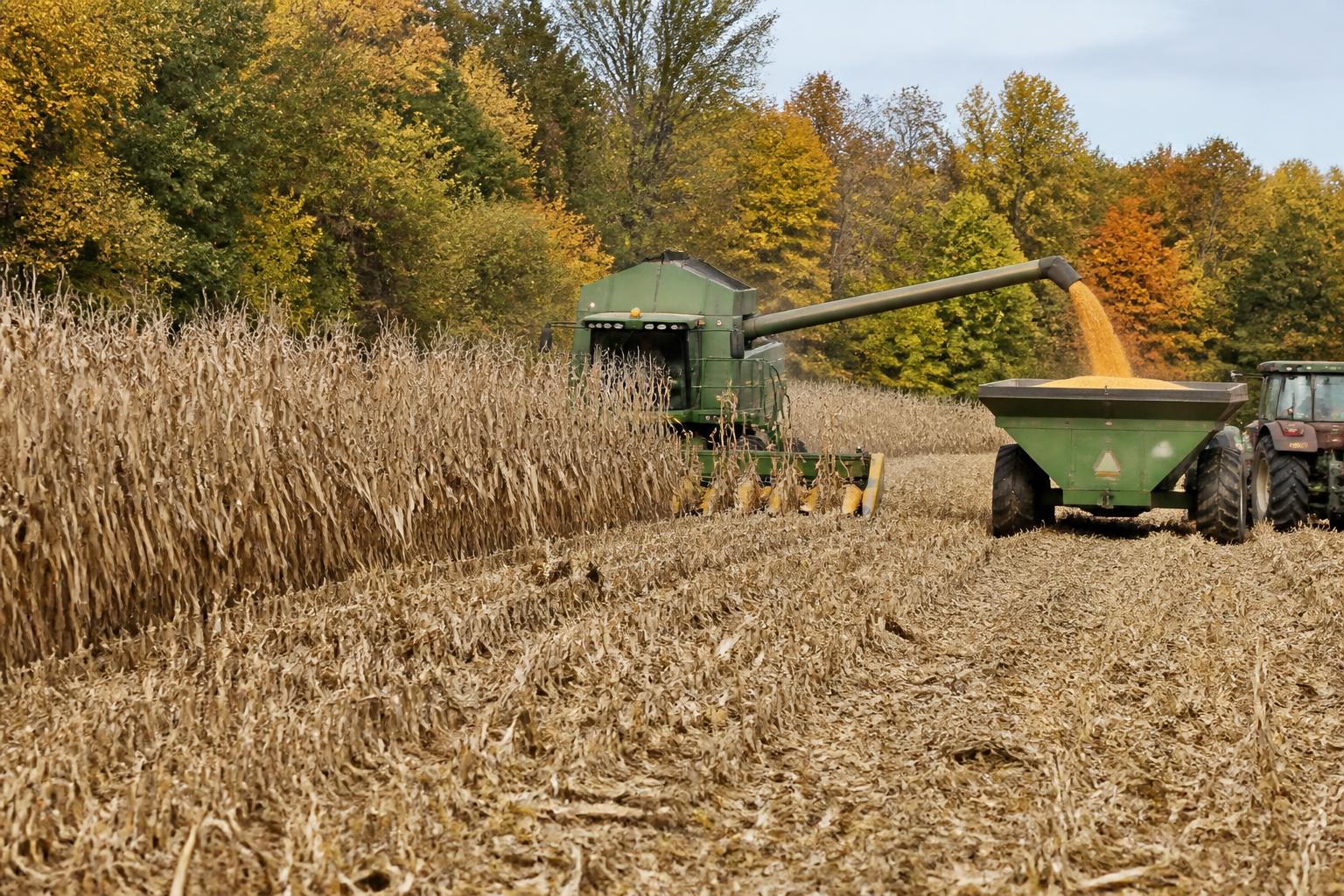
The fall harvest season is moving forward across Arkansas, bringing the usual focus on field efficiency and grain quality management. While producers navigate the daily pressures of the field, the broader logistics environment remains a critical component of the seasonal market outlook. Reports continue to highlight the ongoing interest in waterway reliability, particularly as farmers monitor whether White River barge traffic can support the efficient movement of grain to downstream markets.
Infrastructure and Logistical Hurdles
Grain storage and handling remain focal points as volume moves from the combine to the bin. In some regions of the state, managing local bottlenecks is essential to maintaining harvest momentum. Beyond immediate field operations, broader industry discussions are centering on the long-term needs for agricultural support, including federal aid to address rising farm failure risks and the importance of infrastructure investments that keep regional commodities competitive.
Innovation in Arkansas Agriculture
Beyond standard row crop production, there is emerging interest in high-value applications for traditional harvests. Researchers in the state are currently exploring the use of rice bran as a base for biodegradable food packaging, representing a potential shift in how we value secondary harvest products. This aligns with broader efforts to drive efficiency through better field management and technological integration in the regional supply chain.
What it means for the market
For Arkansas agribusinesses, the current environment necessitates a cautious approach to liquidity and logistics. With shifts in USDA outlooks for rice and cotton, producers should stay closely connected to local elevator capacity and regional transport availability. Ensuring that safety protocols are strictly followed in grain handling facilities remains vital, especially as state initiatives continue to bolster emergency rescue resources for the upcoming storage cycle.
Comments
No comments yet - be the first to share your take.