
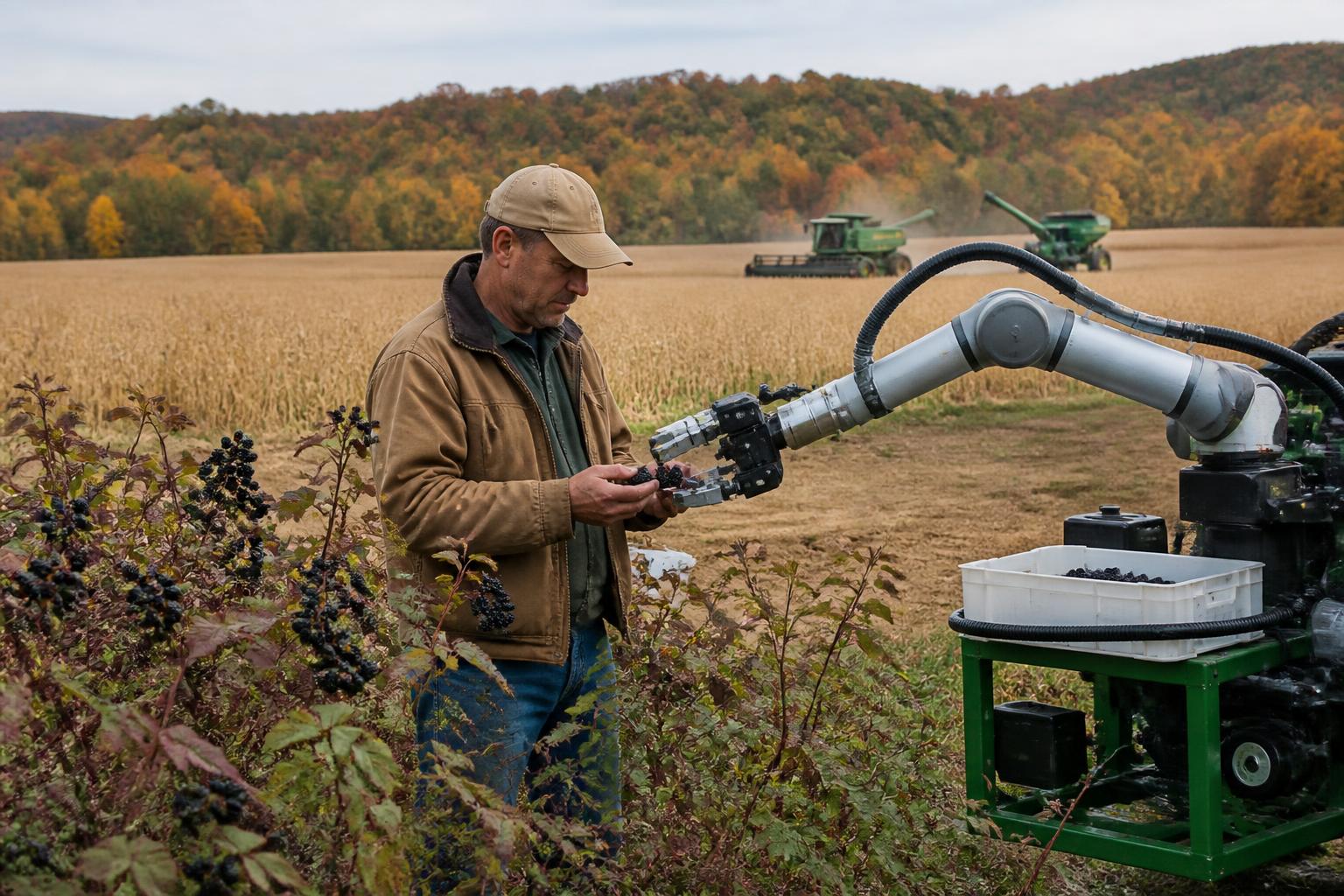
As the fall harvest gains momentum across Arkansas, producers remain focused on managing field assets and navigating the complexities of the current agricultural economy. While field conditions have remained relatively stable for many, the broader market environment continues to reflect significant turbulence, often tied to global supply chain pressures and ongoing volatility in international grain markets. These factors frequently influence the bottom line for local operations, from rice producers to those managing diversified acreage.
Market Volatility and Financial Realities
The current climate has drawn attention to the financial health of the Mid-South agricultural sector. With farm financial stability increasingly at the forefront of policy discussions, producers are carefully weighing their options for the upcoming season. Local stakeholders are keeping a close watch on legislative developments that could impact market access and the regulatory framework governing production inputs, ensuring that they are well-positioned to navigate potential shifts in the economic landscape.
Operational Resilience in the Field
For those currently in the field, maintaining equipment and operational efficiency is critical. As noted in earlier reports on harvest logistics, the ability to adapt to variable field conditions often distinguishes a successful season. Whether addressing moisture levels in rice crops or managing the transition into late-season field work, producers continue to leverage adaptive strategies to protect their margins. Effective field management remains the primary defense against localized pressures during this busy time of year.
Strategic Planning for Next Season
Beyond the immediate harvest, the industry is increasingly focused on the future of production, including the adoption of new technologies and methods to enhance profitability. As Arkansas farmers continue to refine their operations, staying informed on crop protection and regional field challenges will be essential for planning sustainable production cycles in the coming months.
What it means for the market
The current combination of global market volatility and domestic financial concern suggests that farmers should prioritize liquidity and risk management. As harvest reaches its peak, focusing on yield preservation and cost-effective inputs is key to navigating the remainder of the year and setting a firm foundation for the next planting cycle.
Comments
No comments yet - be the first to share your take.