
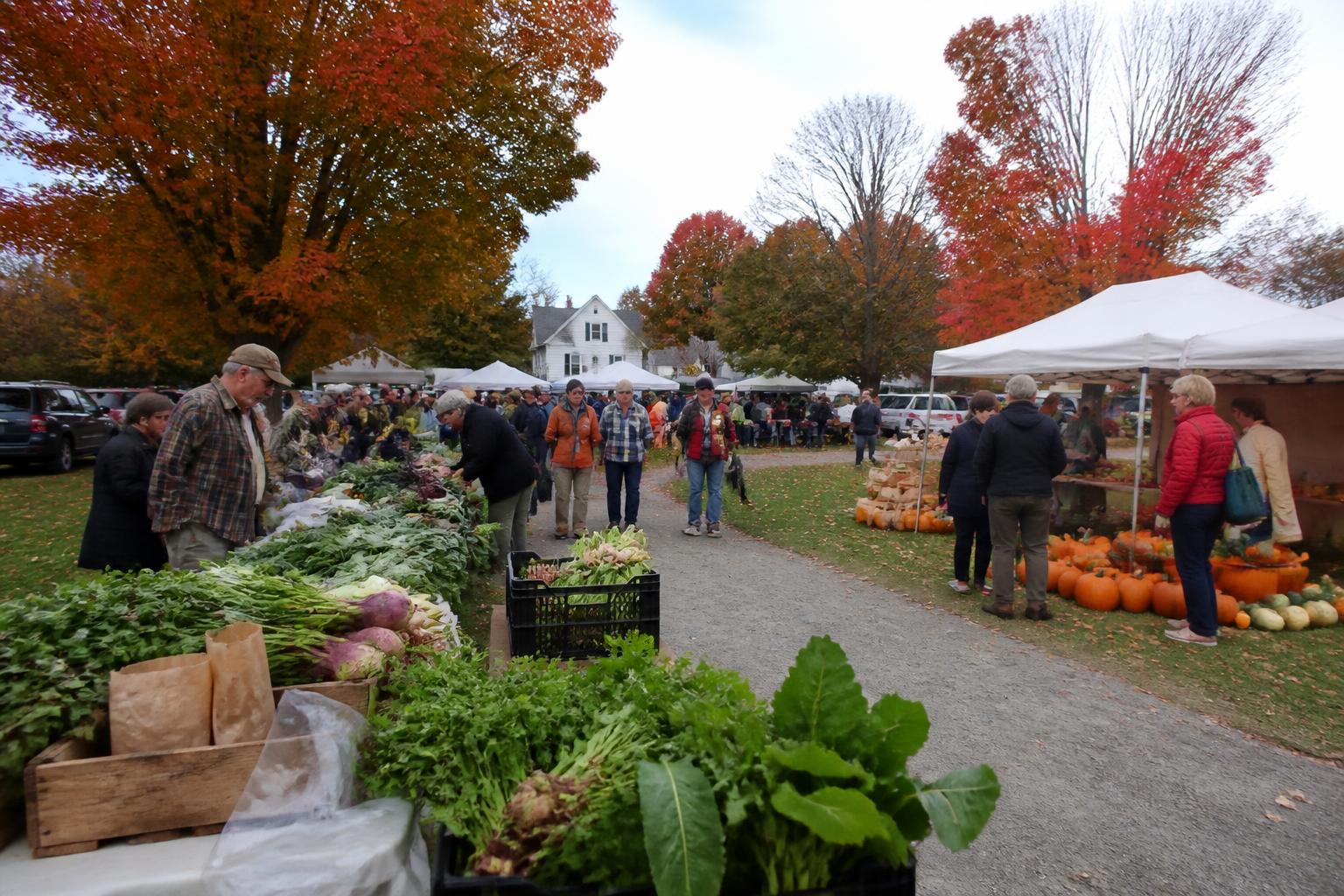
Vermont's agricultural sector is entering a period of significant adjustment as new policy frameworks begin to influence daily operations. Recent legislative updates regarding pollinator protection and emerging guidelines for tile drainage installation are reshaping how producers manage both land infrastructure and environmental compliance. These changes arrive during a critical time of year, as farmers across the state prepare for the transition into late-season harvest activities.
Adapting to New Land and Environmental Mandates
For many operations, understanding the implications of recent regulatory shifts is a top priority. The latest updates on harvest management and regulatory pressures provide important context for those currently evaluating their field drainage infrastructure. Updated standards for tile drainage represent a significant shift, requiring careful planning to ensure compliance without compromising field productivity. Simultaneously, the recent focus on pollinator health has introduced new requirements that may influence how growers manage integrated pest control strategies in the coming cycles. For a deeper look at long-term stability, our guide to agricultural resilience offers practical advice for navigating these layers of institutional change.
Market Trends and Regional Economic Shifts
Beyond regulatory compliance, the market environment remains dynamic. As producers assess current output levels, integrating these observations with recent regional market insights can help in forecasting potential price trends heading into the winter months. Whether you are managing specialty crops or large-scale dairy production, staying current with shifting supply data is essential for maintaining margins. Regional storage and distribution points remain focal areas for logistical efficiency as operations scale their activities for the late fall window.
What it means for the market
The convergence of new environmental rules and shifting seasonal pricing underscores a need for proactive farm management. Producers who prioritize early adaptation to drainage and pollinator protocols are likely to encounter fewer operational bottlenecks as these regulations become standard practice. Moving forward, maintaining a clear view of both regulatory changes and regional price data will remain the most effective strategy for Vermont agribusinesses seeking to protect their bottom line through the end of the year.
Comments
No comments yet - be the first to share your take.