
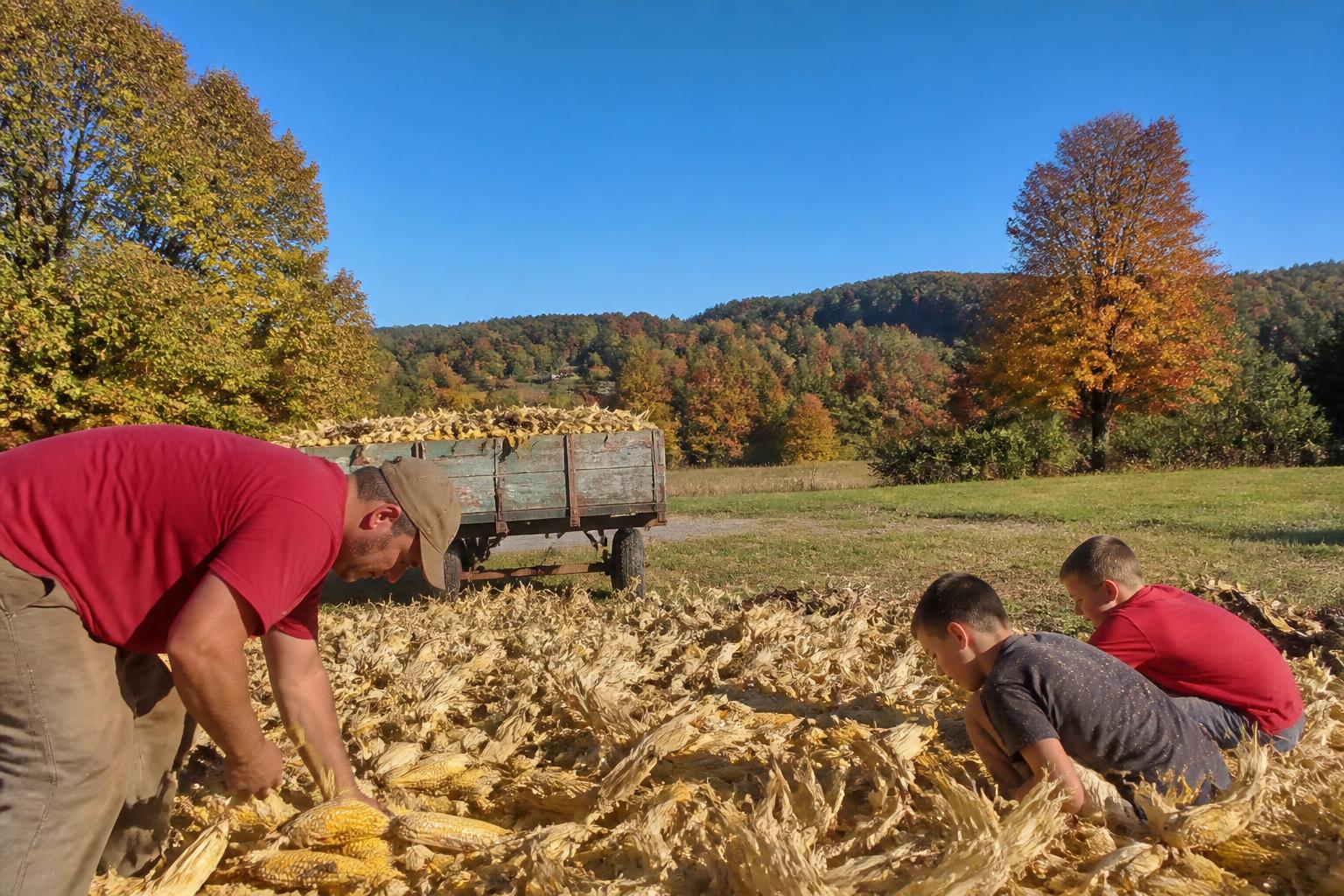
As Virginia producers move deeper into the fall harvest season, regional attention is shifting toward the critical balance of grain storage capacity and efficient transport movement. With the season's output filling bins across the Commonwealth, local elevators and storage facilities are managing the influx of commodities, often requiring careful coordination to keep equipment and transport corridors clear.
For many Virginia farmers, the current window is defined by the operational pressure to move grain efficiently from the field to storage or processing hubs. Understanding grain market logistical constraints remains a priority, especially as producers navigate the intersection of harvest intensity and infrastructure capacity. Whether utilizing on-farm storage or relying on commercial elevator space, the ability to manage rapid intake cycles is a decisive factor in maintaining harvest momentum.
Infrastructure and Regional Flow
Virginia’s diverse agricultural landscape means that logistics can vary significantly by county. From the Tidewater region to the rolling hills of the Piedmont, regional grain movement often depends on secondary road conditions and the proximity of rail or waterway access points. Producers are increasingly looking at how infrastructure developments might alleviate long-standing bottlenecks in the state's supply chain.
While localized bottlenecks can occur, the focus for many agribusinesses is maintaining steady throughput. Integrating real-time data regarding elevator wait times and moisture requirements can assist transport providers in reducing engine idle time and fuel expenditure. For carriers, the fall season often presents unique scheduling challenges that require frequent communication with local loading facilities to ensure timely turnarounds.
Strategic Storage Considerations
Storage capacity continues to be a central topic for Virginia’s grain sector. With shifts in production volume, farmers are evaluating the long-term viability of their existing on-farm bin systems versus off-site storage agreements. As discussed in recent analysis on logistics and cold chain capacity, the ability to hold grain during periods of high supply can be a strategic hedge against market volatility.
Producers are encouraged to maintain active dialogue with their regional cooperatives and private handlers as the harvest progresses to identify potential space availability. Early planning for load-out schedules can mitigate the risk of being caught in a supply backup during the peak of the autumn harvest.
What it means for the market
For the Virginia agricultural community, the immediate priority is maintaining operational flexibility. By prioritizing logistical communication and optimizing the transition from harvest field to storage, producers and logistics providers can minimize disruptions. As we move through October, the focus remains on sustaining flow and managing the physical constraints that define the busy fall window.
Comments
No comments yet - be the first to share your take.