
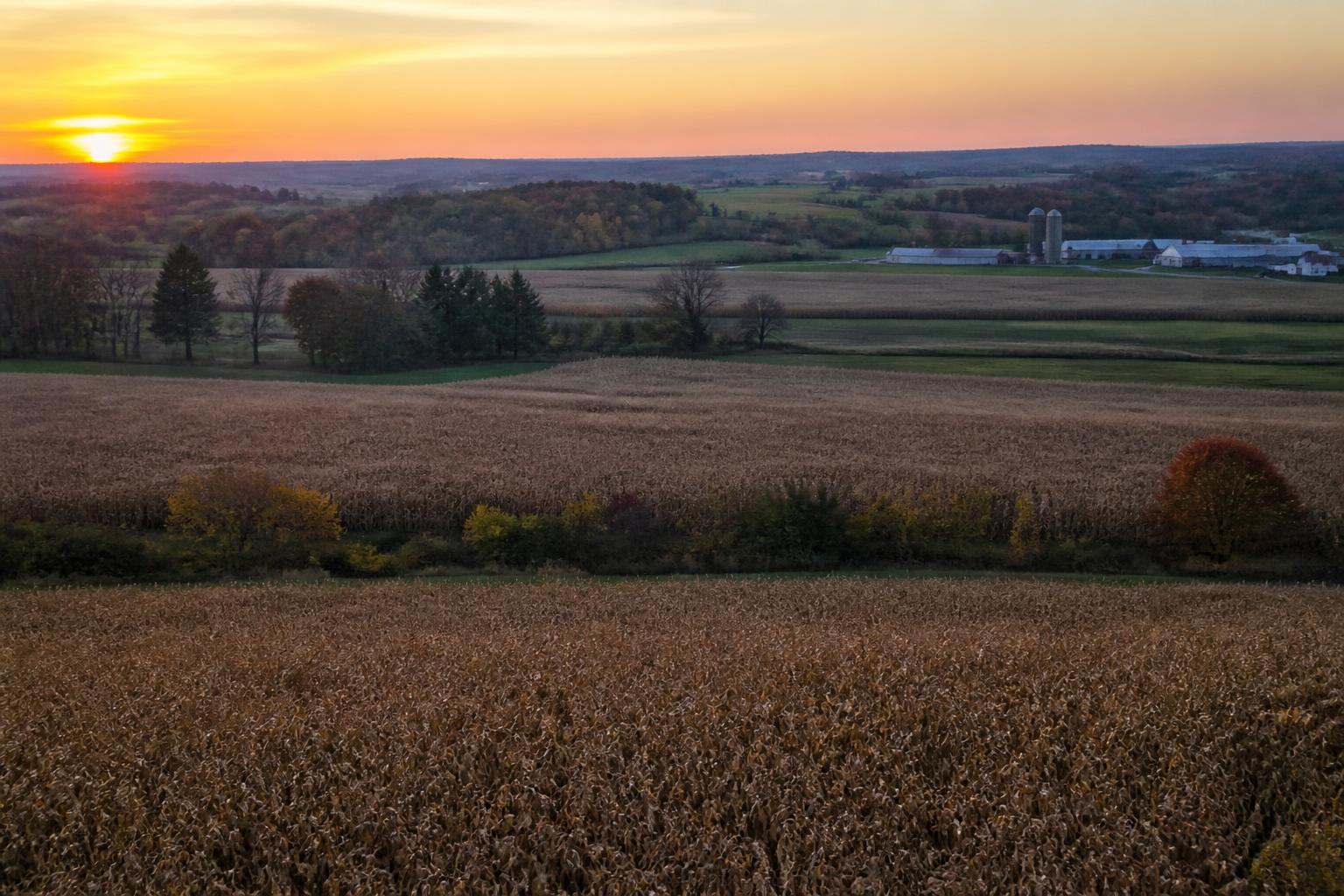
The Pennsylvania harvest season is in full swing, bringing a focus on local grain throughput and seasonal storage capacity. Across key agricultural regions from the fertile plains of Lancaster County to the rolling fields of the western counties, producers are managing a complex season defined by varied crop development and the logistical demands of moving grain to elevators and local processing centers.
For many operators, the focus remains on optimizing field-to-bin operations as combine traffic increases on rural state routes and county roads. Efficient management of grain flow is essential, particularly as regional facilities work to match intake rates with drying schedules. Navigating these harvest pressures requires close coordination between producers and local grain handlers to avoid bottlenecks that can delay field progress.
Managing Field Inputs and Land Use
Beyond the immediate harvest, producers are also looking at long-term land management and input strategy. Recent agricultural initiatives continue to emphasize the importance of land preservation, with significant acreage in central Pennsylvania being secured under easement programs. These efforts help ensure that prime farmland remains available for future production cycles, providing stability for both grain and livestock operations.
Input management remains a critical variable for the coming season. As growers evaluate their performance for the current year, attention is shifting toward effective weed control strategies, such as managing horseweed emergence patterns, and staying updated on evolving regulatory requirements regarding herbicide application and environmental protection standards. Keeping a clear view of these input costs is vital for maintaining margins in a competitive market.
What it means for the market
Market participants should keep a close watch on regional grain storage availability as the harvest continues through October. While yield results have been mixed in some areas due to earlier moisture fluctuations, the steady pace of regional movement suggests a resilient supply chain. Farmers, carriers, and elevators should prioritize clear communication regarding delivery windows to manage logistical flow effectively as the peak harvest period intensifies.
Comments
No comments yet - be the first to share your take.