
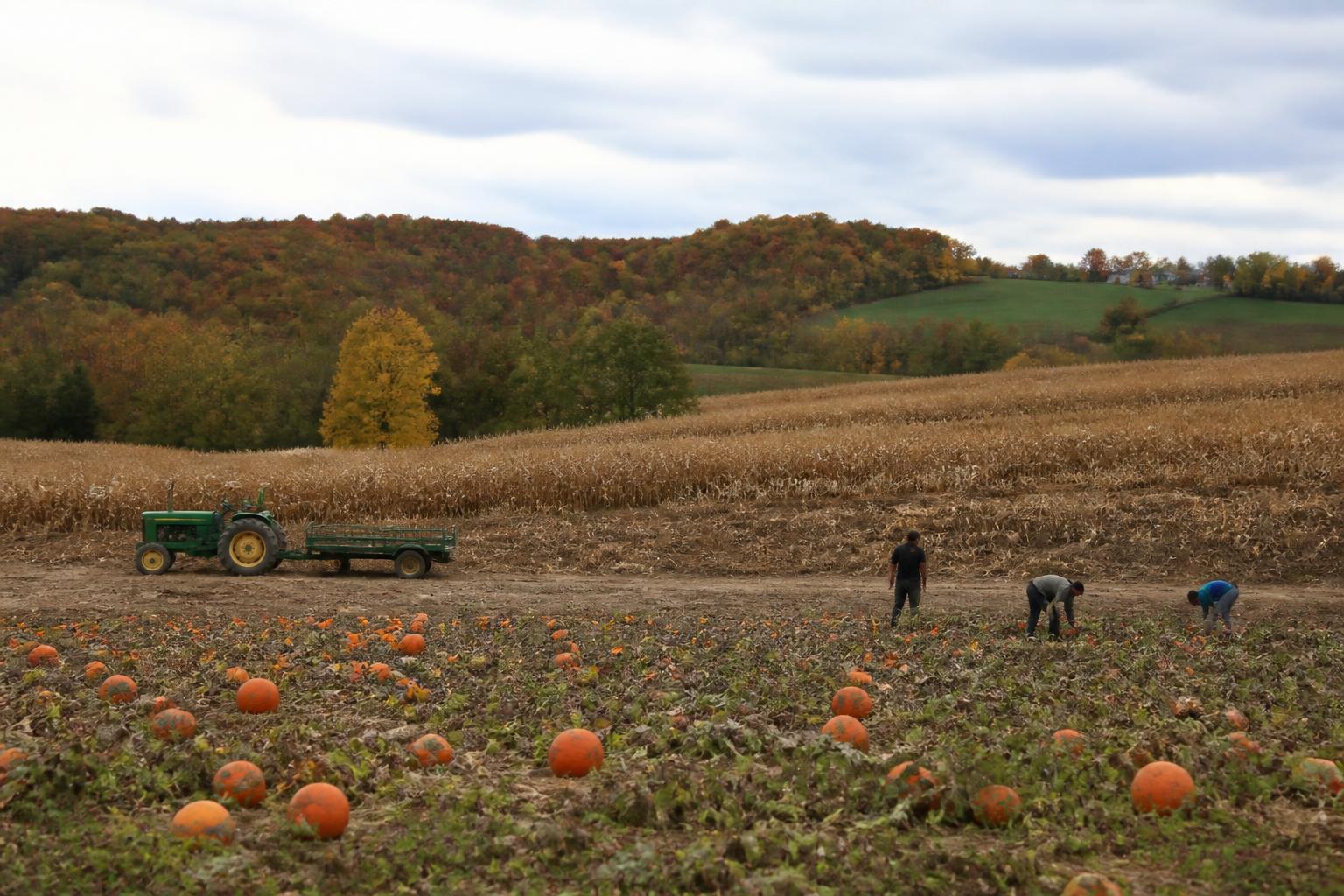
As we move through the heart of the fall harvest season in West Virginia, producers are balancing the standard logistical challenges of moving commodities against an increasingly complex economic landscape. While farmers in our region focus on maximizing throughput at local elevators and navigating rural transit routes, it is clear that broader financial pressures are weighing on the agricultural sector across the United States.
Understanding the current market predictability is essential for operators looking to mitigate risk. With thin margins, keeping a close eye on variable input costs and asset management has become a baseline requirement for maintaining long-term stability in our varied terrain.
Managing Operational Pressures
The convergence of higher fuel costs and supply chain constraints often complicates the final stages of the production cycle. For West Virginia agribusinesses, identifying local efficiencies in transport and storage is critical. Maintaining equipment in top condition to prevent downtime during these peak windows can be the difference between a profitable harvest and one that leaves revenue on the table due to late-season bottlenecks.
Strategic Financial Planning
Recent reports highlight that many operations across the country are facing heightened financial strain, leading to a rise in farm bankruptcies. This underscores the need for rigorous record-keeping and proactive cash flow management. For many family-run farms in West Virginia, diversifying income streams and securing reliable input supply chains remains a primary strategy for navigating these volatile market cycles.
What it means for the market
For West Virginia growers and suppliers, the immediate takeaway is one of caution and preparation. As federal economic factors continue to influence commodity pricing and input availability, regional producers should prioritize financial liquidity and lean into efficient logistics. Strengthening relationships with local creditors and focusing on cost-effective storage solutions will be vital as the industry navigates the current economic climate throughout the remainder of the year.
Comments
No comments yet - be the first to share your take.