
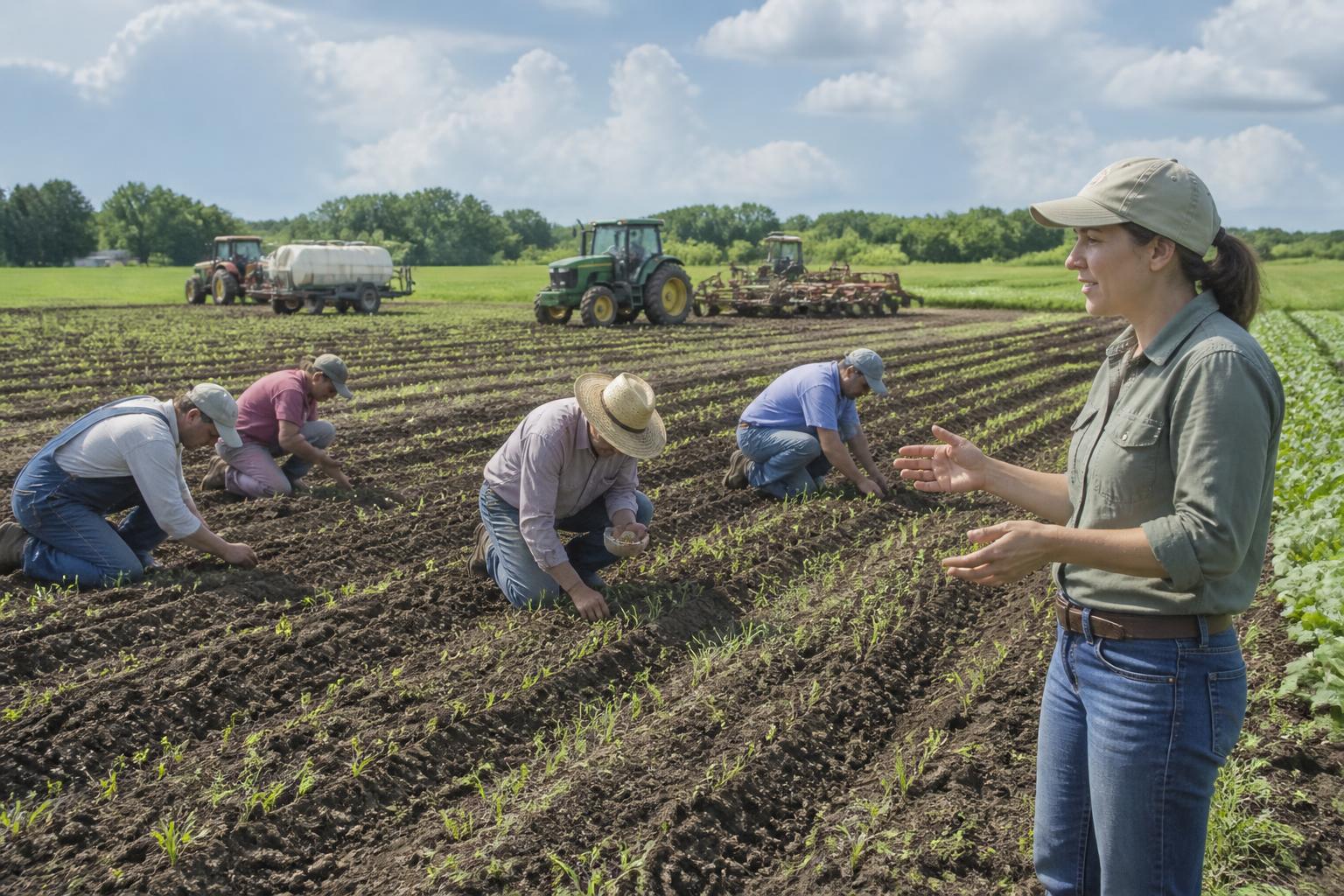
As Pennsylvania grain producers enter the busy summer season, managing operating costs and navigating erratic weather patterns remain top priorities. From the rolling fields of Lancaster County to the high-elevation farms of Somerset County, growers are looking for ways to maximize efficiency. Recent weather fluctuations, including early-season freeze scares that triggered economic alarms across the Mid-Atlantic, have highlighted the vulnerability of field crops to sudden temperature swings. Consequently, management decisions made during the summer months will heavily dictate profitability heading into the fall.
To mitigate volatile market dynamics, many regional operations are closely examining input expenses, particularly regarding small grains. While summer field conditions may tempt growers to accelerate fieldwork, seasoned managers are emphasizing calculated risks, particularly when it comes to grain handling, seed selection, and transport logistics across the Commonwealth's highway corridors.
The Seed-Saving Debate in Pennsylvania Wheat Fields
With winter wheat harvest approaching, Pennsylvania farmers are evaluating whether to save seed for the next planting cycle or purchase certified seed. Seed saving is a traditional practice that offers immediate upfront cost savings, but agronomy experts warn of significant hidden risks. Saved seed that has not been professionally cleaned and tested can harbor seed-borne diseases, weed seeds, and pathogens, which may severely reduce germination rates and overall yield potential in subsequent seasons.
Furthermore, intellectual property laws and patent protections on modern grain genetics mean that saving seed from certain proprietary varieties is legally prohibited. Farmers must carefully review technology agreements to avoid costly legal liabilities. For those choosing to save seed, professional cleaning, treating, and germination testing are essential steps to ensure a viable stand, though these processes add to the actual cost-per-bushel calculation.
Weather Pressures and State Logistics Support
Pennsylvania's agricultural sector is still recovering from spring freeze events that disrupted early crop progress and put regional growers on high alert. Ensuring crop resilience requires a combination of robust soil management and a deep understanding of local environmental factors. For detailed insights on protecting field yields against these unpredictable climate pressures, producers can review current strategies for the Pennsylvania crop protection and land preservation effort, which highlights key management practices for the summer harvest.
On the logistics front, moving grain and inputs across the state remains a critical piece of the financial puzzle. High fuel prices and infrastructure fees frequently pressure tight margins. Fortunately, regional transport rules provide some relief; agricultural transporters carrying products are exempted from certain toll rate increases and can qualify for rebate programs. This logistics buffer helps local grain elevators and family farms maintain more competitive basis levels when hauling grain to regional feed mills and processing hubs.
Diversification and Technical Innovation
Faced with tight margins in commodity grains, Pennsylvania farms are increasingly diversifying. Some multi-generational family operations are adding direct-market livestock components, while others are exploring specialty niche crops to supplement traditional corn, wheat, and soybean rotations. This trend reflects a broader push toward agricultural sustainability and financial resilience in the state.
To help growers navigate these transitions, institutions like Penn State continue to offer hands-on field trials and machinery demonstrations. Events like the annual Ag Progress Days provide invaluable opportunities for grain handlers and input buyers to witness the latest in precision planting, cover crop management, and weed control technology firsthand, helping them make more informed capital investment decisions.
Key Takeaways for PA Grain Growers
- Evaluate Seed Legality: Verify patent status and tech agreements before saving any winter wheat seed this summer.
- Prioritize Testing: If saving seed is legally permissible, invest in professional cleaning and germination tests to prevent crop failure.
- Monitor Hauling Costs: Take full advantage of state toll exemptions and rebates designated for agricultural transport.
- Leverage Local Research: Utilize upcoming Penn State extension tours and field days to evaluate new crop protection and precision farming systems.
What it means for the market
For the Pennsylvania grain market, the summer of 2026 demands a highly disciplined approach to inputs and logistics. Elevators and feed mills are watching regional quality closely, especially given earlier weather disruptions. By balancing the short-term savings of practices like seed saving against the long-term benefits of certified seed genetics and utilizing state transit cost-relief programs, Pennsylvania growers can protect their margins and secure steadier grain flows for the regional supply chain.
Comments
No comments yet - be the first to share your take.