
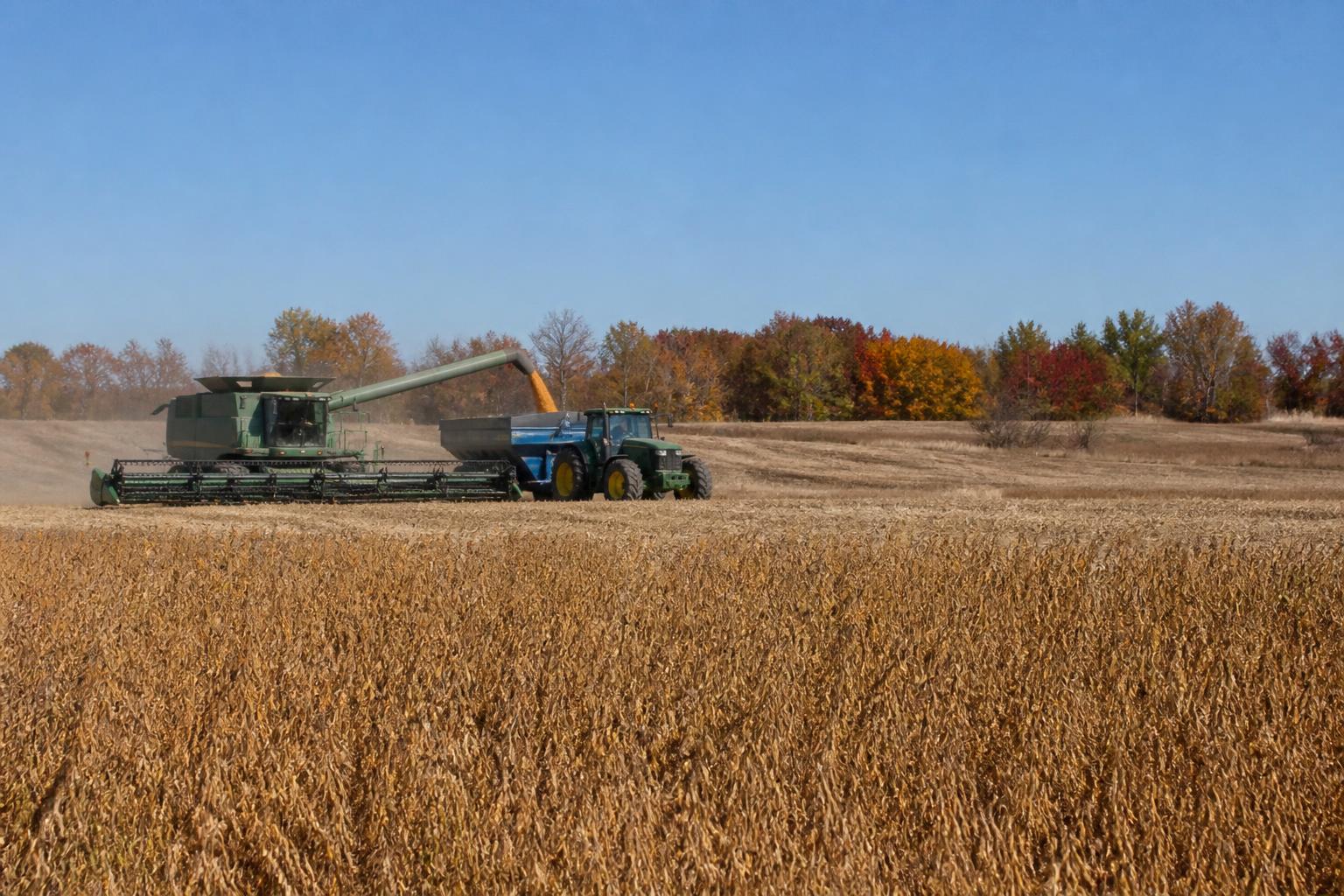
As we move deeper into the fall season across Oklahoma, producers are balancing the immediate demands of harvest preparations with the strategic need to lock in input costs for the coming year. The volatility seen in global commodity and energy markets continues to influence regional logistics, placing a premium on careful planning for grain movement and soil amendment strategies.
Understanding the current pressures on farm profitability is essential for navigating this window. For more insights on balancing these fiscal demands, see our recent analysis on managing soil fertility and input costs under modern market constraints.
Evaluating Input and Operational Efficiency
Fertilizer pricing remains a central concern for many Oklahoma operations, as producers monitor market rebalancing to determine the best timing for procurement. With the harvest window approaching, regional elevators and transporters are also gearing up for seasonal volume, which often necessitates tighter scheduling for grain movement along key highway corridors. Operators are advised to stay flexible with haul logistics to mitigate the impact of fluctuating fuel costs on their bottom line.
Navigating Market Pressures
Beyond inputs, the broader agricultural economy continues to present challenges, ranging from trade dynamics to local regulatory environments. Whether managing global market volatility or addressing regional water and resource protection initiatives, the ability to adapt to external pressures is a defining characteristic of successful Oklahoma agribusinesses this year.
What it means for the market
The bottom line for Oklahoma farmers is one of caution and proactive resource management. By prioritizing efficient logistics and staying informed on supply-side trends for fertilizers and fuel, producers can better position themselves to absorb the pressures of the current market cycle while protecting their operational capacity for the upcoming season.
Comments
No comments yet - be the first to share your take.