
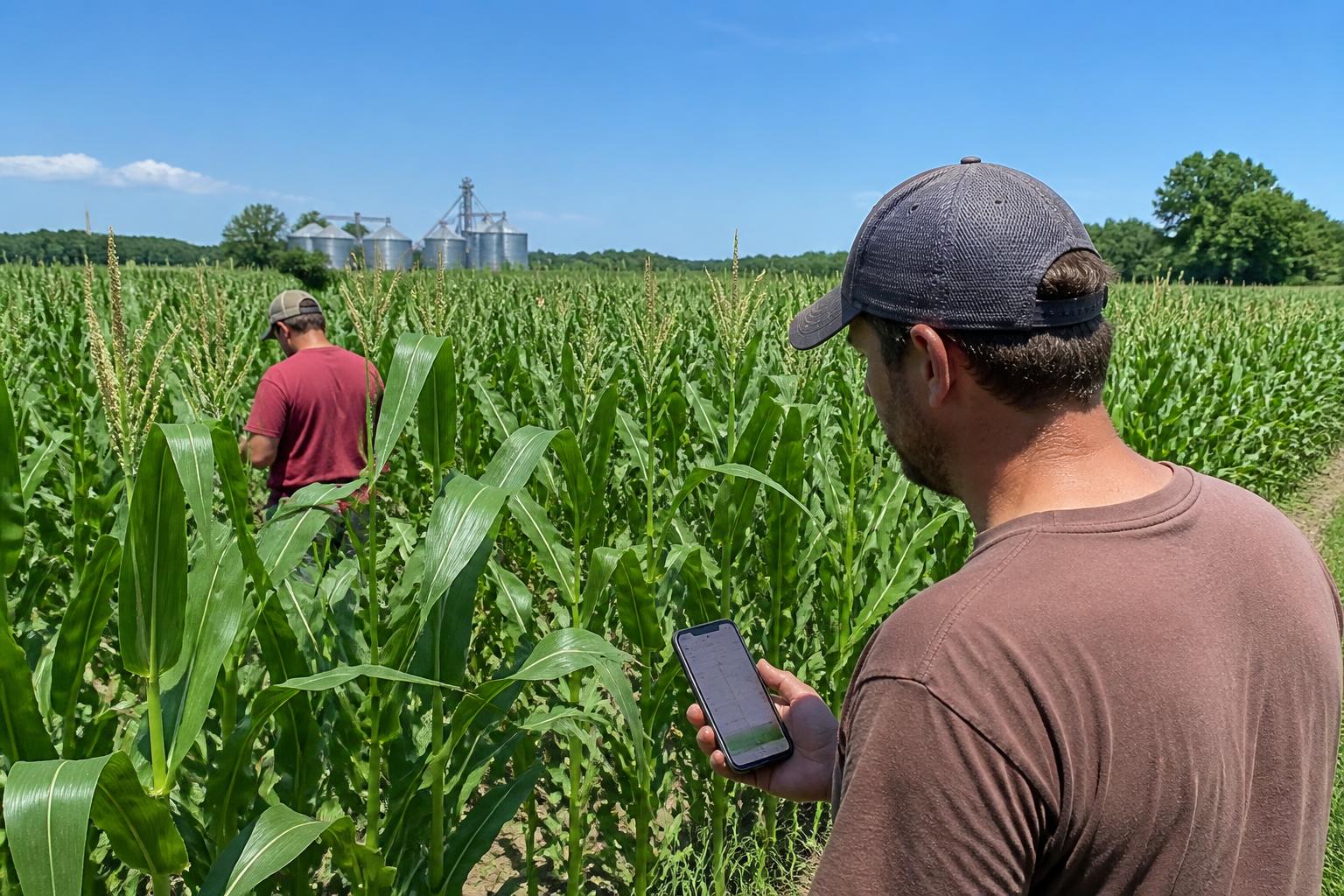
As summer heat intensifies across the Arkansas Delta, producers are facing a challenging management environment. Balancing crop protection against tight operating margins has become a critical task for local growers. According to recent analysis from the University of Arkansas System Division of Agriculture (UADA), farmers are navigating potential financial losses for major commodities, including corn, cotton, long-grain rice, and soybeans. High fertilizer and chemical prices, combined with volatile market conditions, mean that every spray application must be highly precise and cost-effective.
Tightening Rules on 2,4-D Herbicide Applications
Managing weed pressure in summer crops like soybeans and cotton requires careful stewardship, particularly given proposed regulatory changes for 2,4-D applications in Arkansas. State regulators have been evaluating application restrictions to minimize off-target volatile drift, which can damage non-tolerant crops in adjacent fields. For Delta growers, staying compliant with these evolving application windows and buffer zones is essential to avoid costly crop damage disputes and regulatory penalties.
In addition to regulatory compliance, local field conditions and variable wind speeds dictate when and how applications can be made safely. Farmers are increasingly adopting integrated pest management (IPM) techniques to supplement chemical controls, maximizing the efficacy of their existing chemistry portfolios while minimizing drift risks to neighboring sensitive soybean varieties or specialty crops.
Digital Tools Optimize Delta Field Management
To help growers make more precise management decisions under economic stress, new digital resources are entering the market. The release of the "Corn Advisor" mobile application provides producers with real-time field-level recommendations to optimize crop health and manage pests. Utilizing technology is becoming a necessity for managing resources efficiently during the summer heat, ensuring that expensive inputs are only applied where and when they are truly needed.
Furthermore, the University of Arkansas variety testing resources remain highly popular among local producers. By analyzing performance data of different seed varieties against local pests and soil conditions, growers can plan more resilient crop rotations. These online resources assist farmers in selecting varieties with robust disease resistance, reducing the need for late-season rescue treatments of fungicides or insecticides.
Key Takeaways for Summer Field Management
- Stay Informed on Drift Rules: Keep a close eye on state-specific 2,4-D application guidelines to prevent off-target movement in mixed-crop areas.
- Leverage Decision-Support Apps: Use mobile tools like the Corn Advisor app to monitor crop growth stages and timing for protection inputs.
- Focus on Precision Application: With high fertilizer and chemical costs squeezing margins, precision nozzle selection and weather monitoring are crucial to limit waste.
What it means for the market
The convergence of high input prices, regulatory scrutiny on key active ingredients, and projected negative margins for major row crops is pushing Arkansas growers toward strict efficiency. Dealers and crop protection distributors must focus on providing high-value, high-precision products and digital decision-support services. As financial risks rise, the ability to protect yield while minimizing input waste will determine the profitability of this summer harvest across the Delta.
Comments
No comments yet - be the first to share your take.