
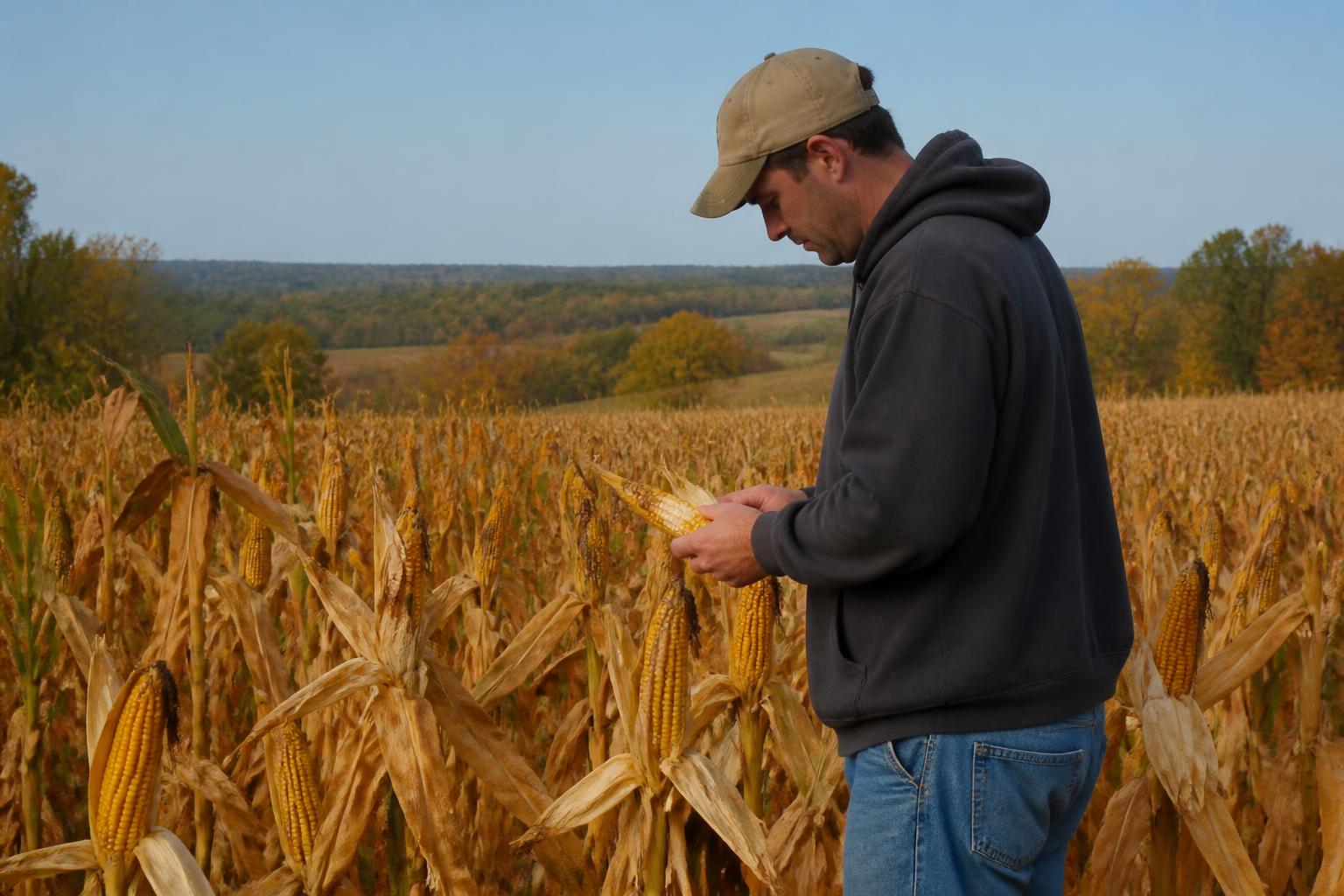
As autumn field activity intensifies across the Keystone State, farmers and logistics providers are shifting their focus to the challenges of moving grain from fields in counties like Lancaster and beyond to local elevators and processing facilities. During this critical window, the efficiency of the regional transportation network remains a top priority for those looking to manage harvest-time bottlenecks effectively.
Producers are often reminded that navigating late-season harvest pressures requires proactive communication with carriers. As traffic flows increase near rural corridors and local transit hubs, staying ahead of potential equipment delays or labor-related slowdowns can make a significant difference in maintaining the pace of your operation.
Managing Supply Chain Realities
The movement of agricultural commodities in Pennsylvania often faces complex logistical hurdles, including infrastructure limitations and the evolving labor landscape. While regional logistics and harvest pressures remain central to the fall outlook, many agribusinesses are finding that flexibility is key to mitigating risks. Whether dealing with rail transit changes or trucking capacity fluctuations, maintaining a diversified logistics strategy remains a common approach for many regional operations.
What it means for the market
For grain handlers and producers, the current environment emphasizes the need for streamlined local planning. As the harvest continues through October, monitoring regional throughput and ensuring that storage capacity is managed alongside transport availability can help alleviate the stress of peak-season demand. Prioritizing clear coordination within your local supply chain network continues to be the most practical lever for stabilizing costs and maximizing the speed of your harvest flow.
Comments
No comments yet - be the first to share your take.