
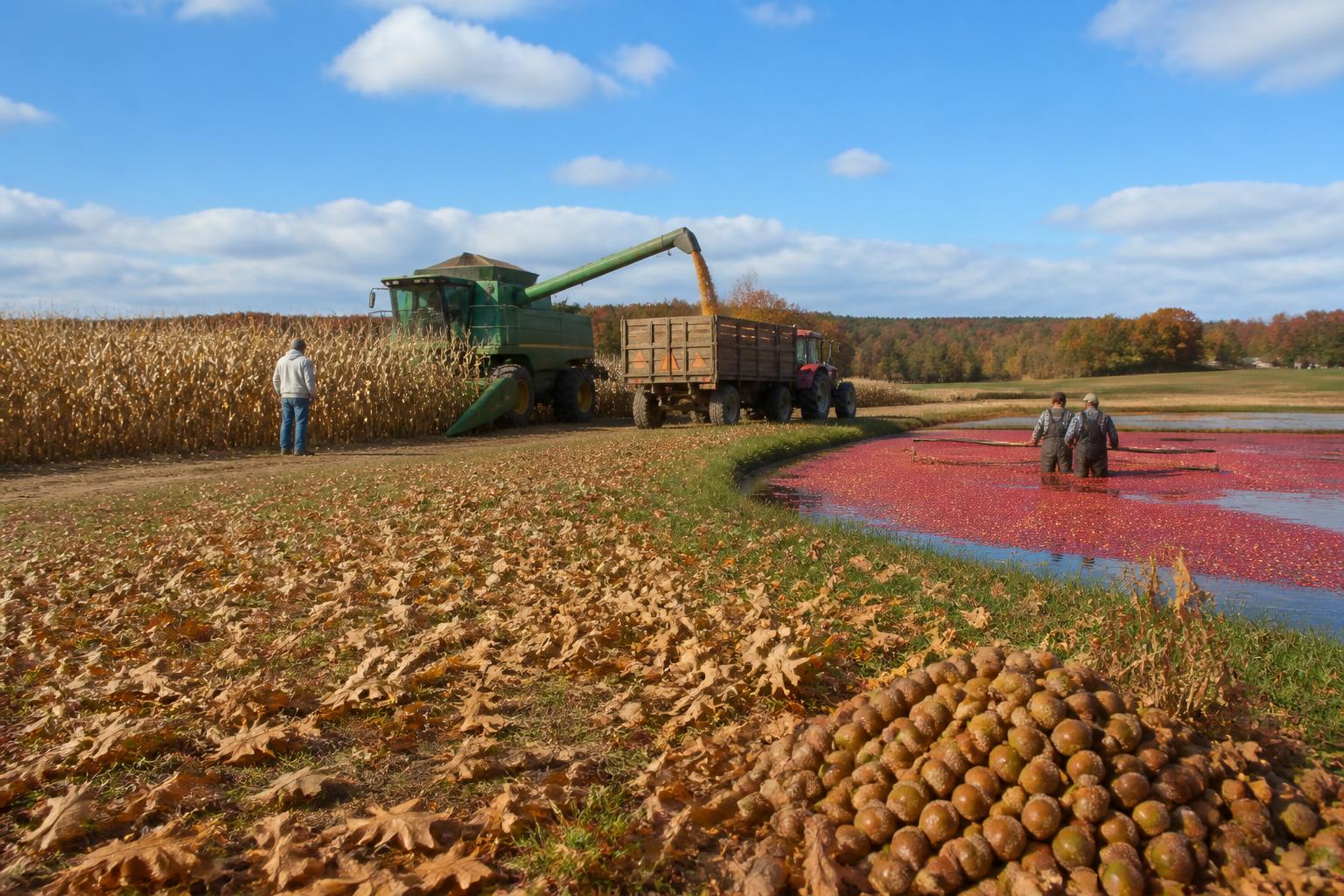
As Maine enters the peak of the fall harvest season, producers are balancing the immediate demands of collecting crops with the long-term realities of land management and climatic volatility. For many across the state, this time of year brings a focus on yield optimization and the tactical adjustments needed to mitigate environmental stressors.
Adapting to Evolving Land and Climate Conditions
Maine's agricultural landscape is currently seeing shifts in land ownership and usage patterns, which may necessitate a re-evaluation of long-term production strategies for local growers. As some large-scale operators adjust their footprint, other producers are finding it essential to streamline operations and focus on the most resilient sections of their acreage. This transition is occurring against a backdrop of increasing climate-related concerns, where inconsistent moisture levels often impact both soil health and crop consistency.
Integrating proactive risk management for Maine agricultural producers remains a critical priority this season. Whether dealing with the variability of seasonal precipitation or evaluating the future viability of traditional crops, farmers are increasingly looking toward infrastructure investments, such as improved drainage systems, to maintain productivity throughout more unpredictable weather cycles.
Operational Resilience in the Field
Beyond land management, the day-to-day logistics of the harvest require careful attention to operational efficiency. For those working in regional specialty crops or staples like potatoes, the stability of storage and processing infrastructure is paramount. As producers navigate these logistical hurdles, the emphasis remains on maintaining quality from the field to the facility. Being prepared for equipment maintenance and securing potential support services early can help alleviate some of the common pressures associated with the rush to bring in final yields before the onset of winter conditions.
What it means for the market
For the Maine agribusiness sector, these shifts suggest a trend toward more resilient and diversified operations. Producers who prioritize adaptive land management and robust risk mitigation will likely be better positioned to navigate the economic pressures that accompany environmental and operational uncertainties. Staying ahead of these factors will remain essential for securing profitability as the state concludes its primary growing season.
Comments
No comments yet - be the first to share your take.