
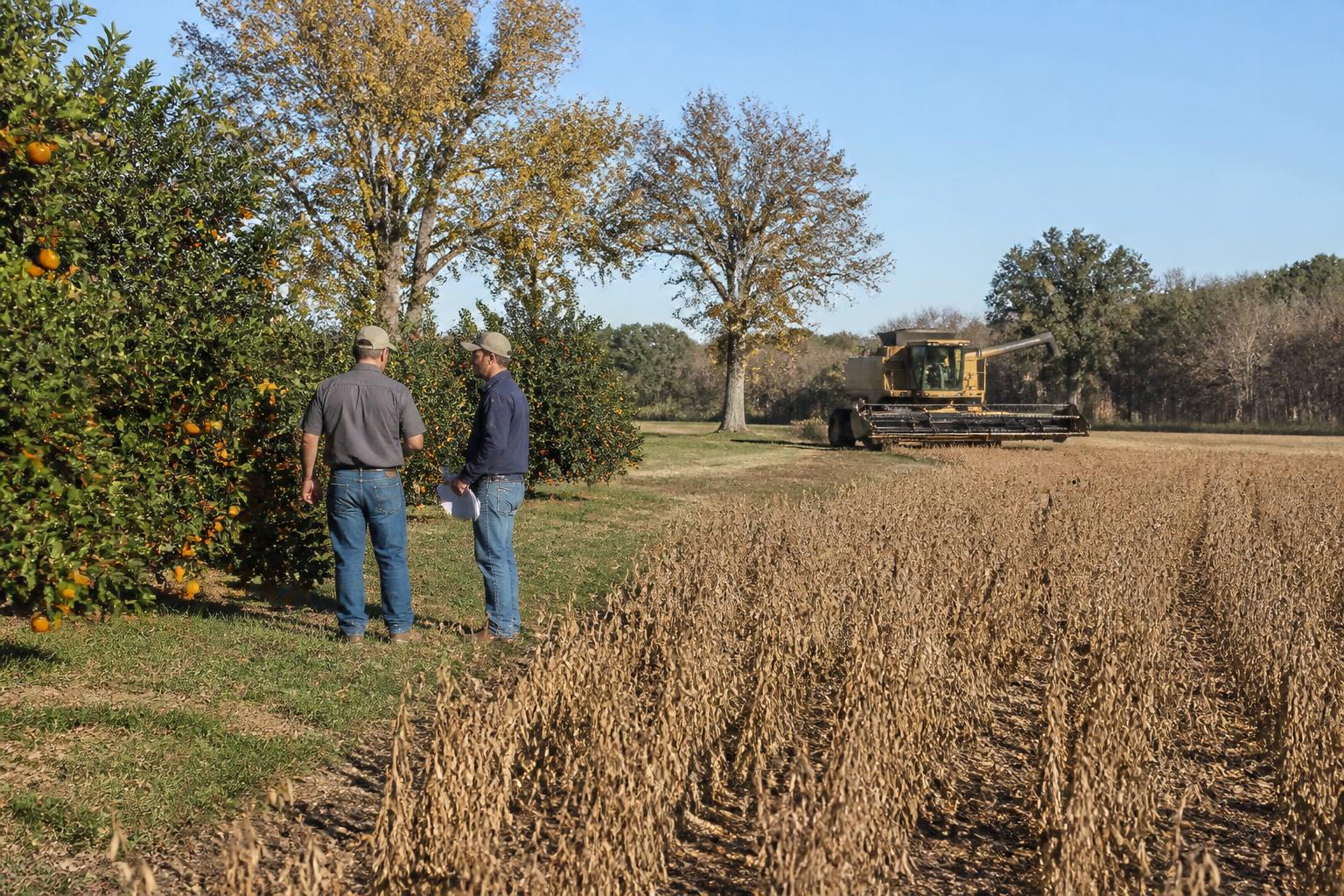
The arrival of the harvest season brings a renewed focus on the logistics networks supporting Georgia’s diverse agricultural sectors. With the current pace of fall activity, agribusinesses are closely watching how regional infrastructure improvements and distribution changes impact the bottom line for producers and input handlers alike.
For many, the reliable movement of goods is tied to the state's major transit hubs. Recent announcements regarding the expansion of specialized cold-chain capacity at the Port of Savannah signal potential improvements for perishable goods moving through the coastal corridor. As operations continue to scale, these supply chain shifts and infrastructure growth represent a notable evolution in how regional commodities reach both domestic and international markets.
Input Distribution and Regional Fuel Dynamics
The consolidation of fuel and lubricant providers across the state continues to reshape how localized operations secure essential supplies. Recent acquisitions in the distribution sector suggest that carriers and agricultural enterprises may see changes in supply routes and service footprints. For operations requiring consistent access to high-demand inputs, staying current with these evolving distribution networks is vital to maintaining operational efficiency during the peak demand of the fall season.
Infrastructure and Regulatory Considerations
Beyond distribution, land-use concerns in high-growth counties remain a primary point of discussion between producers and state policymakers. In areas where urban encroachment pressures traditional farming footprints, ongoing dialogue regarding land retention is essential. Furthermore, producers are continuing to balance their chemical and fertilizer management strategies, particularly in intensive sectors like citrus, where optimizing application rates is increasingly viewed as a key step in managing costs and meeting environmental benchmarks.
What it means for the market
Producers and logistics managers should prepare for a landscape defined by improved cold-storage capabilities at key ports and a changing map of regional fuel distribution. While infrastructure investments at the Port of Savannah promise long-term capacity gains, the immediate priority for many remains navigating local land-use challenges and refining input management practices to maintain margins during a busy harvest period.
Comments
No comments yet - be the first to share your take.