
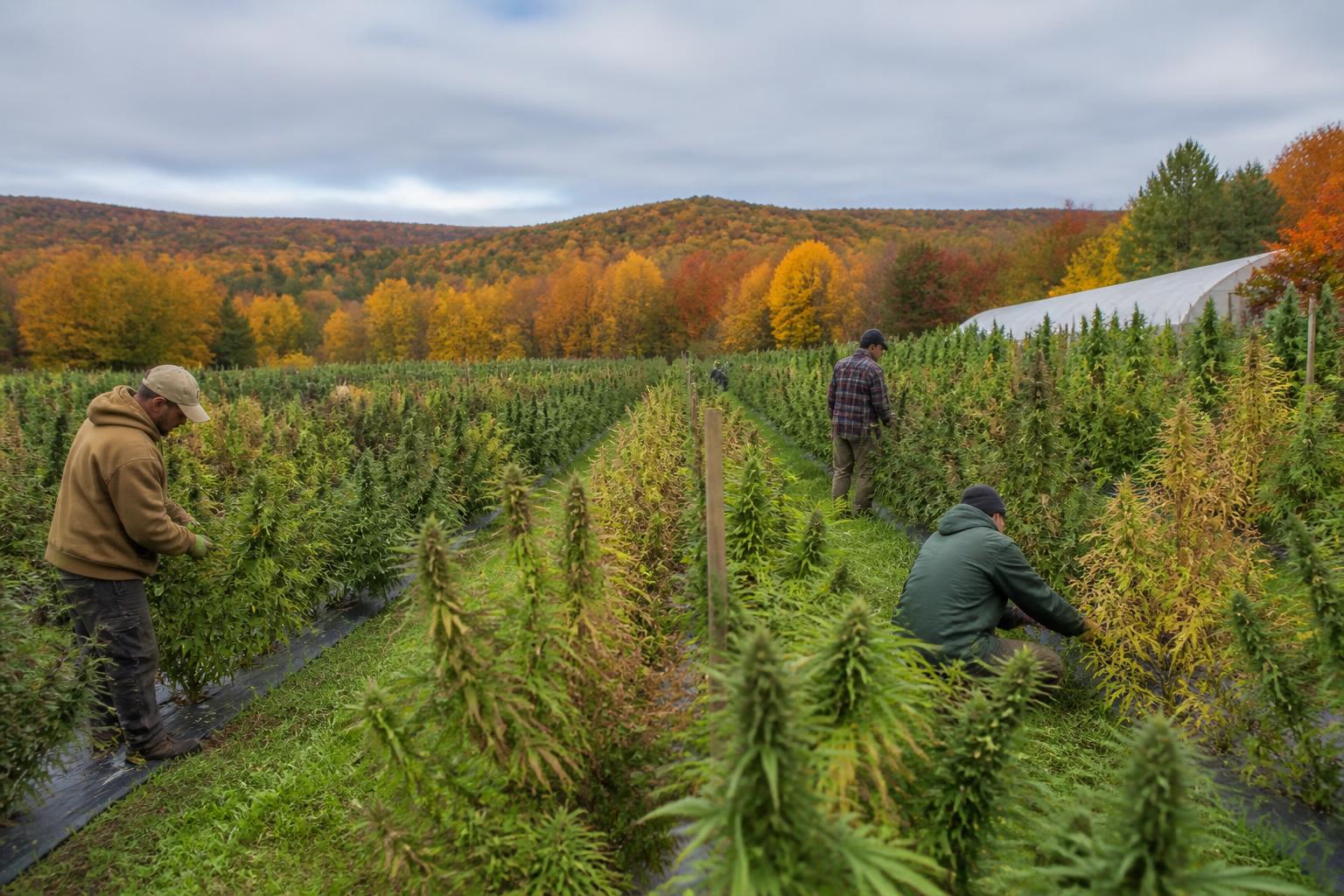
As New York farmers move deeper into the fall harvest season, operations are increasingly focused on balancing timing with the evolving logistical realities of the state. With field conditions varying across the Finger Lakes and the fertile plains of Western New York, producers are managing the dual pressure of peak harvest windows and the tightening of regional supply chain capacity. Staying informed on New York grain market shifts is essential for producers looking to optimize storage and transport strategies during this high-activity period.
Regulatory and Logistical Considerations
Harvest logistics often encounter bottlenecks that require proactive planning. In recent weeks, discussions surrounding late-season regulatory hurdles have highlighted the importance of compliance for heavy haulers and grain transport operations. Whether moving product toward local silos or regional ports, carriers are navigating weight restrictions and traffic patterns that can fluctuate based on local municipal mandates. For many, coordinating with elevators early remains the best defense against unexpected downtime.
Long-Term Sustainability and Crop Strategy
Beyond the immediate demands of the season, New York agriculture continues to adapt to broader pressures. From ongoing discussions regarding input cost management to the implementation of state-led farmland protection updates, growers are balancing short-term yield goals with long-term land stewardship. These institutional changes, alongside the increasing adoption of precision technology, are shaping the operational framework for agribusinesses across the state.
What it means for the market
The convergence of peak harvest activity and logistical scrutiny suggests that efficiency will be the primary driver of profitability this fall. Producers who prioritize early communication with transport providers and stay ahead of regional regulatory updates are better positioned to mitigate the risks of price volatility and supply chain delays that typically characterize this time of year.
Comments
No comments yet - be the first to share your take.