
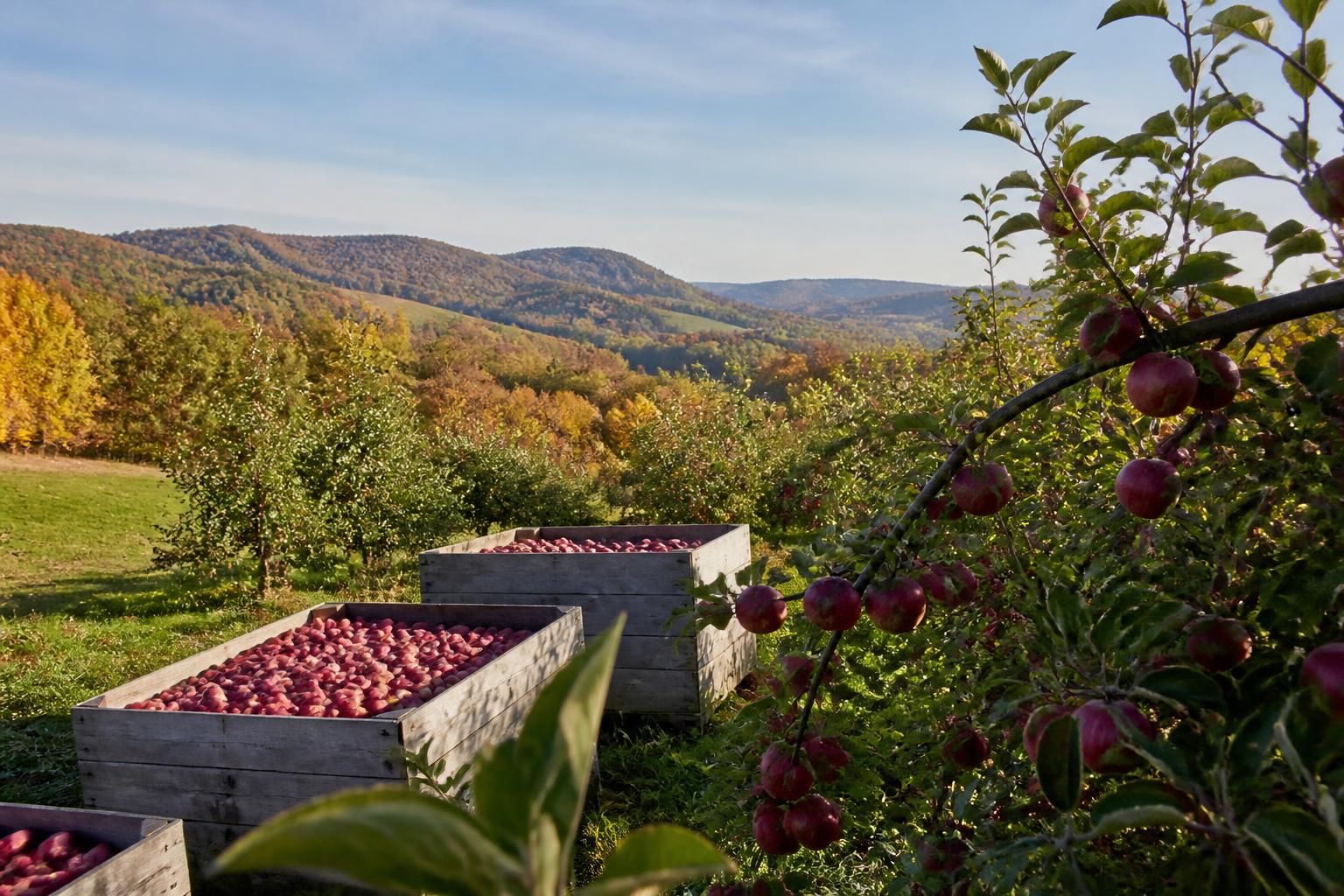
For agricultural producers in West Virginia, the fall season represents a critical window where logistical reliability is as essential as field productivity. Recent reports from across the state underscore how vulnerable rural supply chains and local infrastructure can be to unexpected disruptions, ranging from localized flooding events to broader utility rate pressures that impact farm overhead.
Maintaining operational stability on West Virginia farmland requires producers to account for the physical and financial realities of their local regions. With regional transit routes often subject to closures due to rockslides or storm damage, developing secondary logistics plans has become a standard, yet vital, component of harvest season risk mitigation.
Utility Costs and Financial Resilience
Agribusinesses are currently monitoring proposed utility rate increases, which could add significant pressure to bottom lines for grain processing, poultry operations, and large-scale irrigation systems. Producers are increasingly looking into state-level policy discussions regarding utility oversight as a means of ensuring long-term predictability. Engaging in these conversations can help stakeholders stay informed about potential shifts in operational input costs.
Infrastructure Preparedness and Community Support
Beyond fiscal planning, physical site protection remains paramount. Whether dealing with the aftermath of severe weather or preparing for winter, the value of community-based logistics sharing cannot be overstated. When transit corridors are compromised, the collaborative efforts of local grain handlers and trucking operations often fill the gap, ensuring that fall harvests continue to move toward regional hubs despite unpredictable road conditions.
What it means for the market: For the West Virginia agricultural sector, the current environment reinforces the necessity of building operational buffers. By diversifying logistics partners, monitoring utility policy, and prioritizing infrastructure hardening, farms can better withstand the localized shocks that periodically disrupt state-wide trade and distribution networks.
Comments
No comments yet - be the first to share your take.