
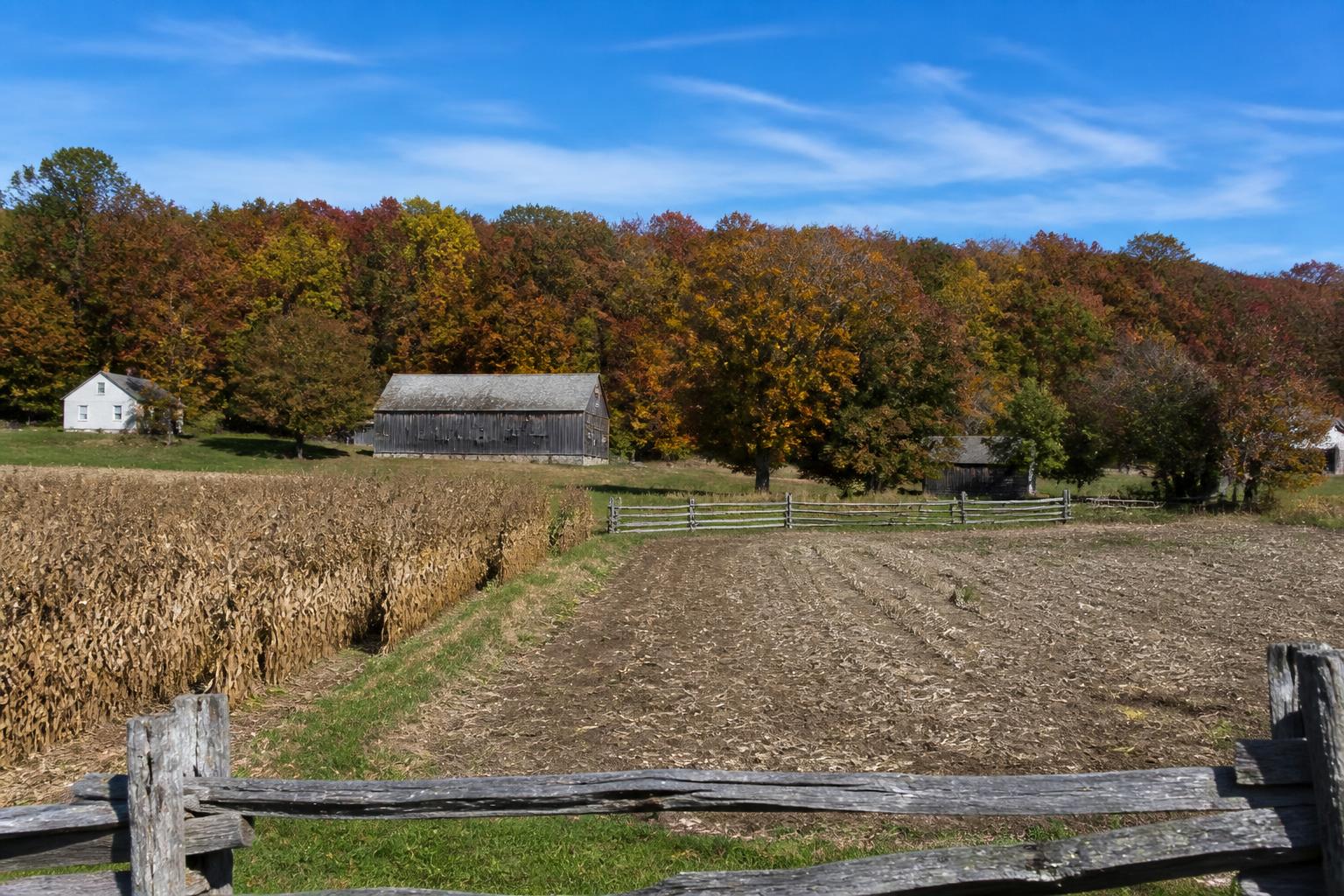
In the rolling hills of West Virginia, the preservation of agricultural land remains a critical point of focus for producers and rural communities. As the state balances the growth of modern infrastructure with the need to maintain viable farming acreage, effective land stewardship has become a cornerstone of long-term planning for many family-run operations.
Protecting historical assets, such as century-old farmland, is not merely a matter of heritage. It is a proactive approach to maintaining the productive capacity of the soil for future generations. For producers, this means navigating an increasingly complex landscape where environmental compliance and land use designations intersect with daily farm management.
Navigating Evolving Operational Challenges
Beyond land preservation, growers continue to address systemic risks that impact their bottom line. Recent environmental reports, such as those detailing lingering contaminants following warehouse fires, underscore the necessity of rigorous site safety and hazard assessment. When operations face unforeseen disruptions, maintaining business continuity becomes essential to weathering market volatility.
Farmers looking to stay competitive are also adjusting to shifting regulatory and market environments. These adjustments often require a careful balance between regulatory requirements and economic demands, ensuring that as operations evolve, they remain compliant while shielding the enterprise from external threats. This includes staying vigilant against localized pests and operational bottlenecks that can emerge unexpectedly.
Building Resilience in a Shifting Sector
Operational resilience is increasingly synonymous with diversification and early adoption of monitoring technologies. Whether it is using drone surveillance for crop management or improving biosecurity protocols, the tools available to today’s farmers provide greater oversight than ever before. For those dealing with recurring regional pressures, proactive protection strategies and pest management are vital to mitigating risks before they escalate.
What it means for the market: For agribusinesses and producers in West Virginia, the current climate demands a two-fold approach: securing the physical ground through robust land protection measures and reinforcing daily operations through high-level risk management. Those who prioritize both are better positioned to navigate the intersection of regional development and the long-term sustainability of the agricultural economy.
Comments
No comments yet - be the first to share your take.