
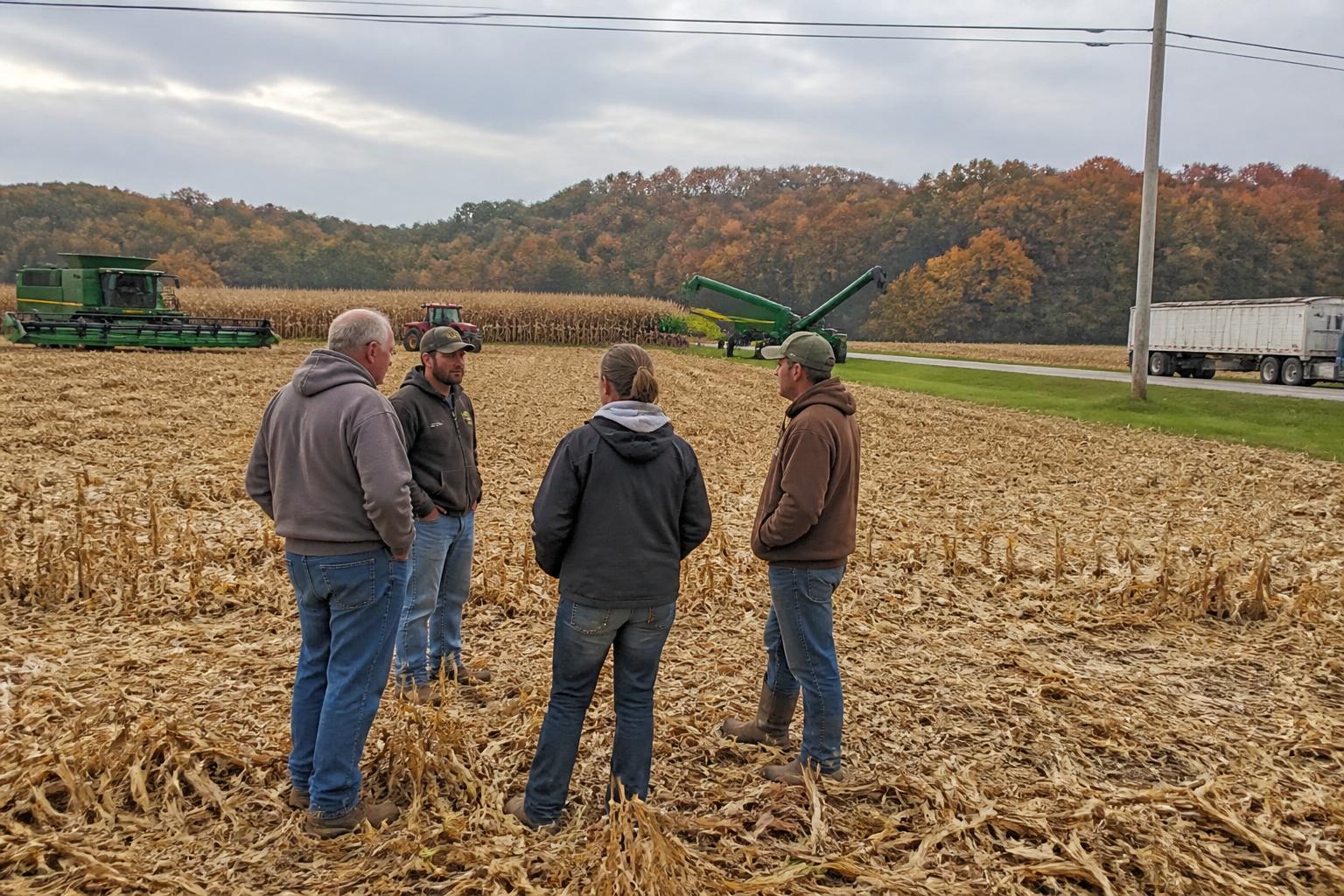
As the fall harvest season shifts into high gear across the Commonwealth, Pennsylvania producers are increasingly focused on balancing nutrient management with long-term land stewardship. For many growers, the decision to invest in regenerative practices or organic certification is being weighed against the practical realities of current market volatility and the rising cost of inputs.
With regional logistics often dictating the flow of supplies, local elevators and cooperatives are keeping a close watch on how shifting input requirements affect market grain movement. While national trends often dominate headlines, the specific needs of Pennsylvania farms frequently hinge on access to localized supply chains and the efficiency of regional transportation networks during peak activity.
The Drive Toward Sustainable Input Management
Interest in regenerative agriculture continues to grow, with collaborative efforts among major processors and producers aiming to bring tens of thousands of acres under improved soil management frameworks. These initiatives are not merely theoretical; they represent a practical shift for many Pennsylvania farmers looking to reduce reliance on synthetic inputs. Organizations like the Rodale Institute remain central to supporting this transition, helping growers navigate the technical hurdles of moving toward organic production.
However, the transition is rarely simple. In counties such as Lancaster, where community-based farming models thrive, the focus is often on building resilient systems that can withstand both weather-related volatility and market downturns. Farmers in this region are finding that investing in soil biology can offer a hedge against the price fluctuations of conventional fertilizers, though it requires a longer-term commitment to management cycles.
Navigating Logistics and Regulatory Constraints
Operational success for Pennsylvania agribusinesses often depends on managing the intersection of local infrastructure and regulatory oversight. As harvest intensity peaks, the movement of grain and the intake of fall supplies can create significant transportation bottlenecks along key corridors. Producers are encouraged to maintain open lines of communication with their local logistics providers to avoid unexpected delays.
Furthermore, farmers are increasingly turning to state legislators for support as they navigate a landscape of tightening environmental standards. From managing nutrient runoff to ensuring that farm operations remain in compliance with state codes, the regulatory environment is a primary consideration for any capital investment in soil or crop infrastructure. When operations run smoothly, they often mirror the success stories of award-winning family farms that have successfully integrated conservation with productivity, balancing modern farming demands with the protection of the local watershed.
What it means for the market
For the average Pennsylvania producer, the immediate market outlook suggests a period of caution. With input prices remaining a significant variable in overall profitability, the focus on efficiency and site-specific nutrient management is more critical than ever. Producers who can successfully integrate regenerative techniques while maintaining robust logistics partnerships will likely be better positioned to navigate the seasonal market shifts occurring as we head into the winter months.
Comments
No comments yet - be the first to share your take.