
Managing Field Health During the Harvest Transition
As the fall harvest accelerates across the Eastern Shore and throughout the Maryland interior, growers are shifting their focus toward essential field protection practices. With the current season, many producers are preparing their acreage for winter stability, particularly through the implementation of strategic soil management and cover crop programs. These initiatives remain vital for protecting the Chesapeake Bay watershed by minimizing nutrient runoff and maintaining soil integrity during the colder months.
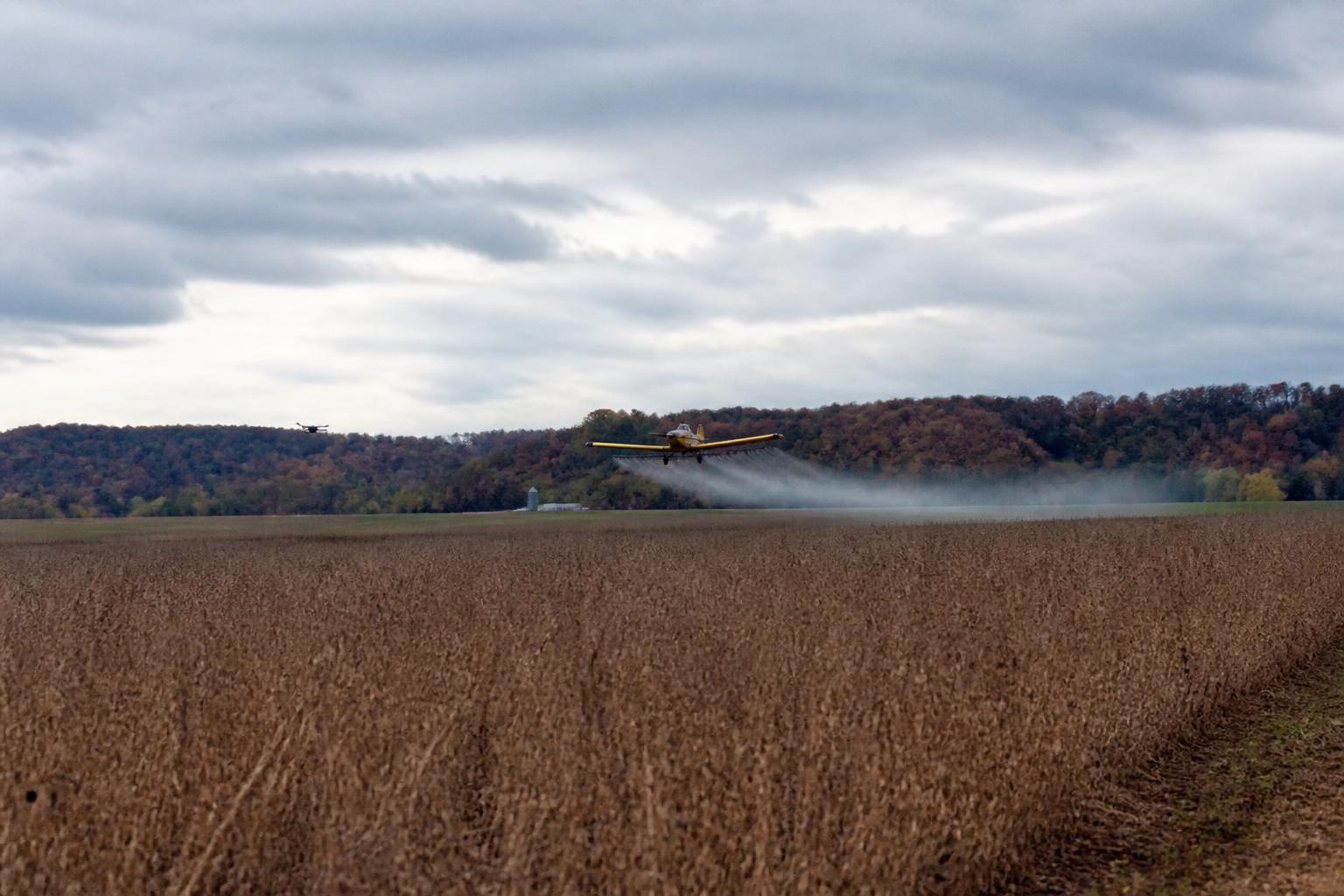
Farmers in many parts of the state have reported seeing increased aerial activity, with planes and drones frequently utilized for seeding cover crops into standing fields. This logistics-intensive approach allows for early establishment of protective green cover before the final harvest concludes. For operations planning to participate in state-supported cost-sharing efforts, staying current with program sign-up windows is a critical step in managing operational overhead.
Regulatory and Community Developments
The landscape for agricultural land use in Maryland is also evolving through recent legal and local policy adjustments. The strengthening of right-to-farm protections has provided a renewed sense of security for many agribusinesses, reinforcing the ability to maintain necessary farming operations amidst ongoing regional development. These protections are often cited by local producers as a essential framework for ensuring that production agriculture remains viable for the next generation.
Beyond broad policy, local land management continues to adapt to environmental pressures. Recent municipal actions, such as the banning of invasive running bamboo, highlight the growing importance of active land stewardship and biodiversity protection. Furthermore, as producers remain vigilant against persistent agricultural threats like the spotted lanternfly, the integration of responsible pest management and invasive species control remains a daily priority for farm managers.
What it means for the market
For grain handlers and agribusinesses, these trends point toward a tightening alignment between production logistics and environmental compliance. As land preservation efforts continue to define the future of Maryland farming, producers who prioritize early-season protective measures and stay informed on regulatory shifts are better positioned to mitigate risk. Maintaining flexibility in harvest and planting schedules, while navigating evolving land-use policies, remains the key to sustained productivity in this region.
Comments
No comments yet - be the first to share your take.