
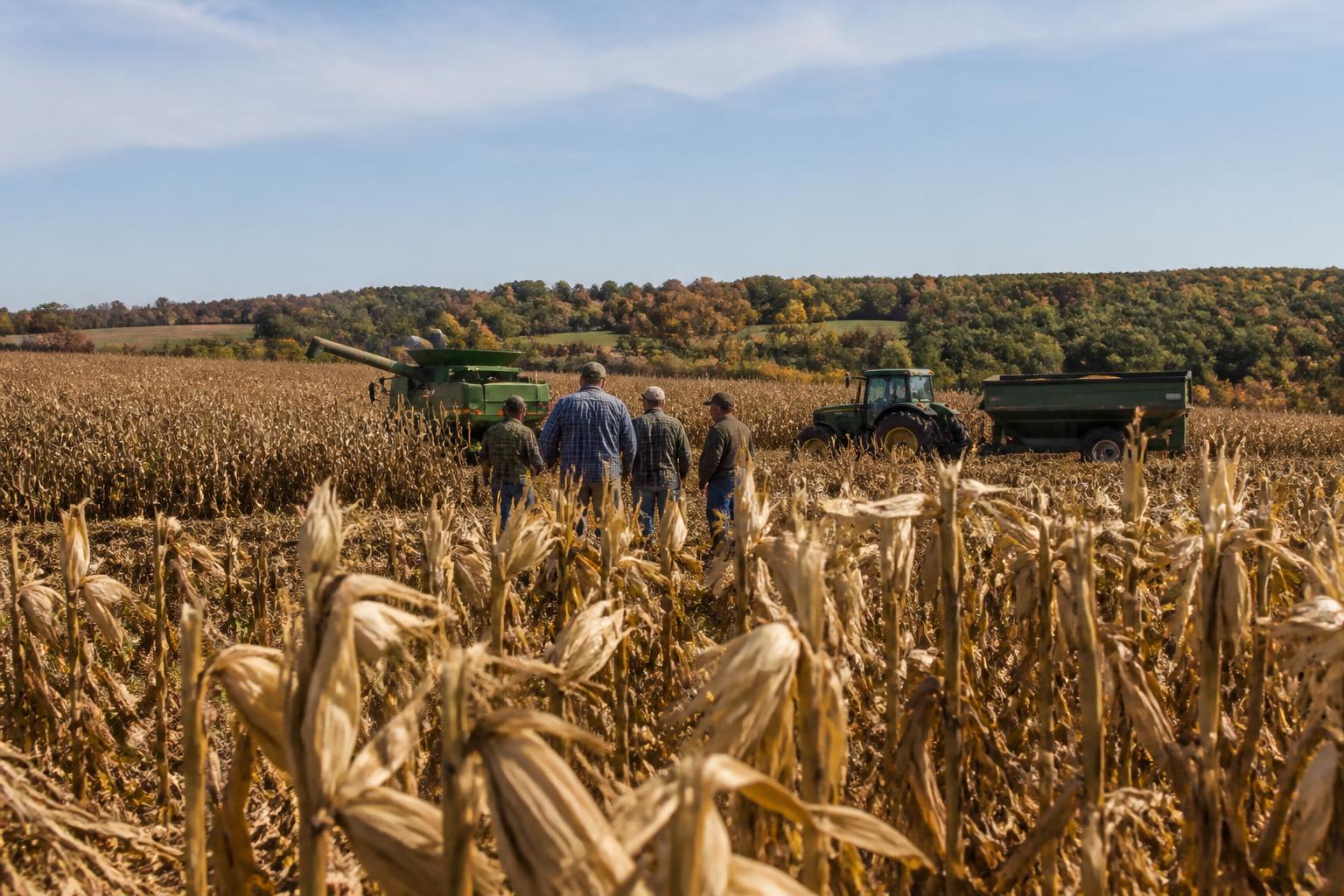
The arrival of October across Alabama signals a pivotal phase for local row-crop producers. As combines move through fields, the focus for many agribusinesses and farmers shifts toward the logistical demands of moving grain effectively and maintaining operational momentum. With harvest activity intensifying, the pressure on short-haul transportation and local storage facilities often increases, requiring careful coordination to avoid potential bottlenecks.
Efficient harvest logistics depend heavily on minimizing equipment downtime and ensuring that transport routes remain fluid. In many parts of the state, particularly across Alabama's fertile river valleys and major production corridors, producers are balancing the pace of harvest with the availability of local storage solutions. Given the current season, managing field access and maintaining machinery for maximum uptime are vital steps in navigating the busy weeks ahead.
Optimizing Local Supply Chains
For those managing harvest efficiency, integrating digital tools and monitoring transit routes can provide a necessary edge during peak movement. Strategic planning often involves assessing the capacity of local elevators and anticipating potential shifts in regional transport demand. Staying ahead of these requirements can help mitigate the risks of delays caused by high-volume traffic at key loading points throughout the state.
Monitoring Market Conditions
Producers are also closely watching regional price trends, as grain market shifts remain a constant consideration during the fall. Understanding how local supply balances against broader market trends can influence critical decisions regarding storage versus immediate delivery. Engaging with local grain handlers and logistics partners now can ensure that operations remain flexible enough to adapt to changing conditions in real time.
What it means for the market
Success this season hinges on proactive logistics management and clear communication between farms, carriers, and storage facilities. By anticipating transit constraints and maintaining a focus on efficient grain handling, Alabama agricultural operations can better navigate the complexities of this harvest period and secure steadier outcomes.
Comments
No comments yet - be the first to share your take.