
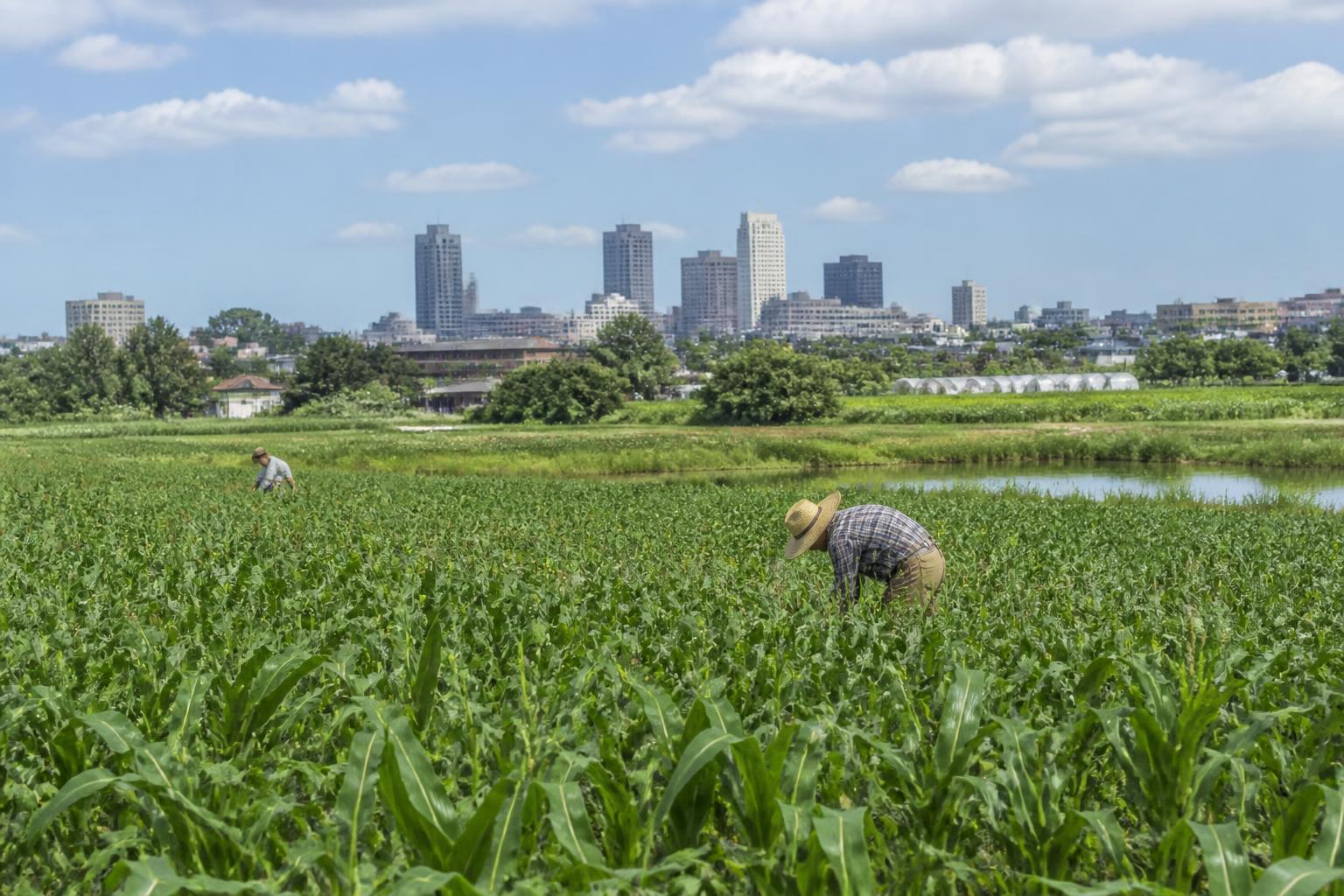
As summer field operations ramp up across Ohio, agricultural producers are balancing active crop management with strict environmental stewardship. Navigating local regulatory frameworks is essential for maintaining farm profitability and protecting regional water resources. From the Maumee River basin down to the southern counties, understanding the rules surrounding chemical applications and conservation assistance is key to a successful season.
For Ohio growers, crop protection goes beyond pest management. It encompasses nutrient application compliance and landscape preservation. With local and regional eyes focused on water quality, farmers must keep up with state-mandated certification rules and leverage available funding to protect marginal lands.
Fertilizer Certification for Ohio Growers
In Ohio, regulatory compliance is a major component of a farm's crop protection strategy. State law dictates that farmers must be certified if they apply fertilizer on more than 50 acres of agricultural land. This mandate applies to both dry and liquid inorganic fertilizers. The program is designed to educate growers on best management practices, helping to optimize crop uptake while minimizing runoff into local watersheds.
Obtaining and maintaining this certification requires ongoing education, focusing on soil testing, application timing, and placement techniques. As growers manage these regulatory demands, understanding broader financial dynamics in the Ohio fertilizer market remains critical for managing seasonal input costs and legal compliance.
Wetland Restoration and Conservation Programs
Beyond nutrient application rules, Ohio provides financial and technical assistance to restore and protect wetlands. These programs offer a valuable opportunity for landowners to retire marginal, wet acreage from active crop production and transition it into protective ecological zones. Restoring wetlands can help filter runoff, control erosion, and improve natural water retention in agricultural areas.
Ohio has a long history of conservation initiatives, dating back to the establishment of its first conservation district in Highland County. Today, state and federal partnerships continue to provide cost-share incentives for wetlands. These efforts can help growers comply with broader environmental goals while improving the overall biodiversity and soil health of their surrounding fields.
Key Stewardship Takeaways
- Acreage Threshold: Any producer applying commercial fertilizer to more than 50 acres in Ohio must be certified.
- Water Quality Focus: Proper application techniques protect local water bodies and improve nutrient-use efficiency.
- Wetland Programs: Financial assistance is available to help growers transition flood-prone fields into protected wetlands.
- Local Resources: Local soil and water conservation districts offer guidance on both compliance and funding opportunities.
What it means for the market
For Ohio agribusinesses, grain elevators, and farmers, proactive conservation is no longer just an optional practice; it is integrated into daily farm management. Compliance with the 50-acre certification threshold ensures that nutrient applications remain precise, which can stabilize operating margins during volatile summer pricing periods. Additionally, utilizing state wetland assistance programs allows growers to optimize land use, potentially boosting average farm yields by focusing inputs only on highly productive acres.
Comments
No comments yet - be the first to share your take.