
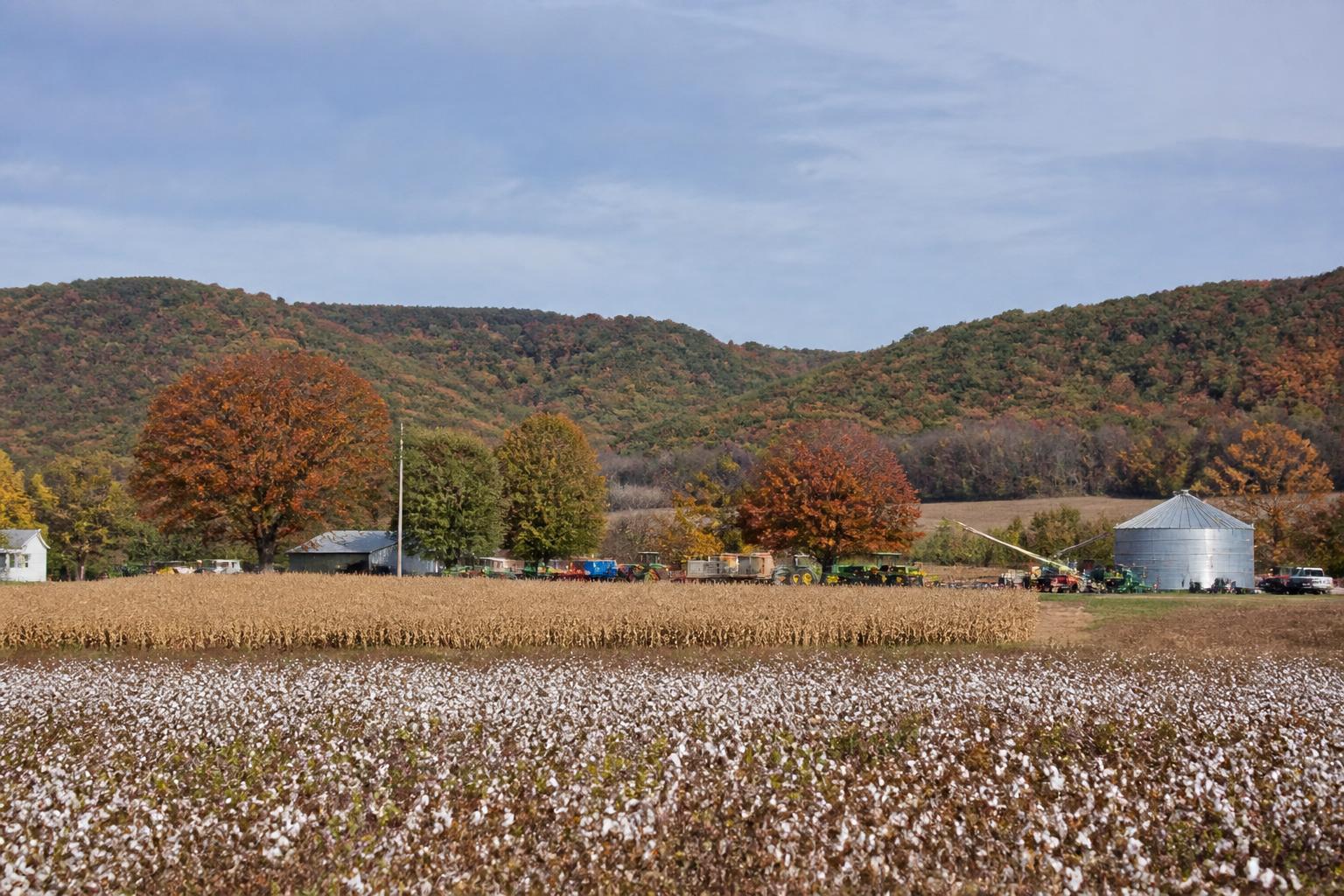
The Arkansas agricultural sector is currently in the heat of a busy harvest season. While early reports point to significant progress for major crops like rice and corn, reaching levels nearing historical highs, producers continue to face a complex landscape of operational constraints. Managing the pace of the harvest while addressing input needs and logistical bottlenecks remains a priority for agribusinesses across the state.
Maintaining momentum in the field is vital, but recent environmental conditions have introduced volatility. From lingering concerns over previous flood-related damage to the ongoing need for efficient field management, operators are working to mitigate risks that could affect final output quality and marketability. Strategic field management is becoming increasingly essential as producers navigate these late-season variables to ensure their yields reach the elevators effectively.
Logistics and Market Pressures
Logistical challenges are casting a shadow over the seasonal flow of commodities. Potential labor disruptions and transit concerns have prompted a closer watch on the movement of crops, particularly cotton, where concerns regarding shipping and supply chains persist. Furthermore, the ability to maintain fuel access for essential transport operations remains a tactical focus, with state-level administrative support often providing temporary relief for equipment mobility on public roadways during peak transit periods.
Market participants are also keeping a keen eye on shifting acreage trends. While cotton has seen interest, the broader commodity picture is influenced by long-term shifts in planting preferences. Market declines following the initial harvest rush have added pressure on grain handlers to manage storage capacity and timing effectively as the season wears on.
What it means for the market
For Arkansas farmers and handlers, the current period underscores the importance of supply chain resilience. As harvest continues, maintaining open lines of communication with carriers and storage facilities is critical to avoid bottlenecks. Producers should stay alert to evolving regional weather reports and regional policy updates that may impact the ease of moving inputs and finished crops, as these factors will likely dictate the profitability of late-season operations in the weeks ahead.
Comments
No comments yet - be the first to share your take.