
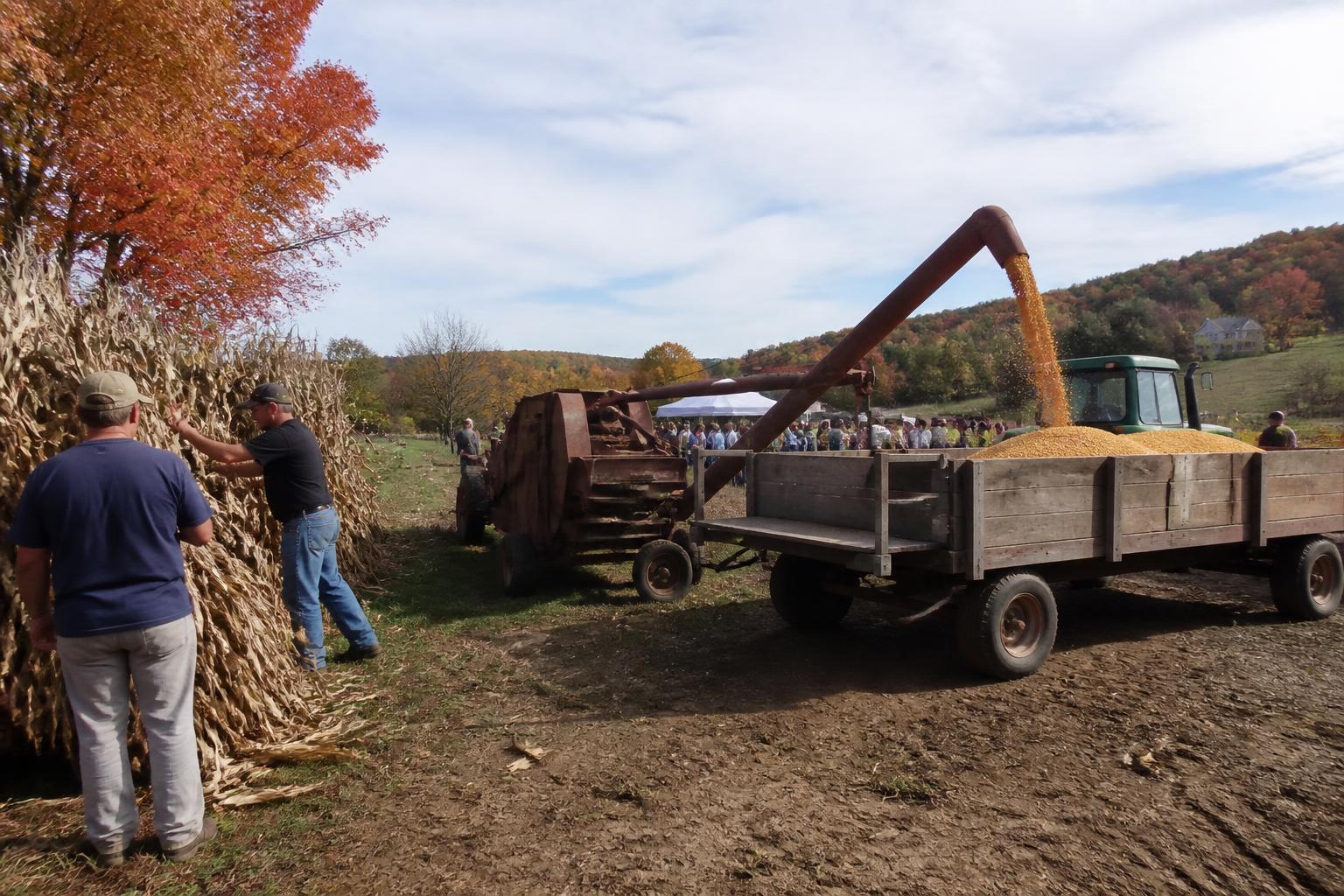
The New Jersey agricultural sector is currently in the thick of a busy fall harvest season. As crews work to bring in crops, logistics and operational efficiency remain at the forefront of local farm management. Whether navigating heavy equipment along rural corridors or coordinating with local distributors, growers are balancing the immediate demands of the season with long-term cost containment strategies.
Operational safety remains a critical conversation within the community following recent tragic field accidents, serving as a solemn reminder for operators to prioritize equipment maintenance and rigorous safety protocols. Protecting high-value assets and personnel is essential, particularly as logistics and security become increasingly central to maintaining farm productivity during peak windows of activity.
Navigating Fertilizer Price Volatility
Market inputs continue to exert pressure on bottom lines. Recent reports indicate that the price of ammonium sulphate has seen a measurable increase, reaching approximately $592 per ton as of July. This upward trend in input costs forces many producers to re-evaluate their nutrient management plans for the upcoming cycles. In New Jersey, where diverse specialty crops require precise fertilization, these cost shifts can impact planning for next spring.
Infrastructure and Industry Engagement
The commitment of local agencies remains visible through ongoing site visits and industry collaborations, such as recent gatherings with the New Jersey Department of Agriculture to discuss supply chain resilience. Such engagements highlight the importance of maintaining strong communication lines between growers and state officials to navigate current logistics hurdles and labor requirements effectively.
What it means for the market
For New Jersey farmers, the combination of rising fertilizer prices and the inherent intensity of the fall harvest period necessitates a disciplined approach to cash flow and operational risk management. Tight margins underscore the need for efficient logistics and diligent adherence to safety standards, ensuring that productivity does not come at the cost of personnel well-being. Looking ahead, producers should monitor broader NPK fertilizer trends and leverage local supply chain partnerships to buffer against continued input volatility.
Comments
No comments yet - be the first to share your take.