
Optimizing Harvest Logistics
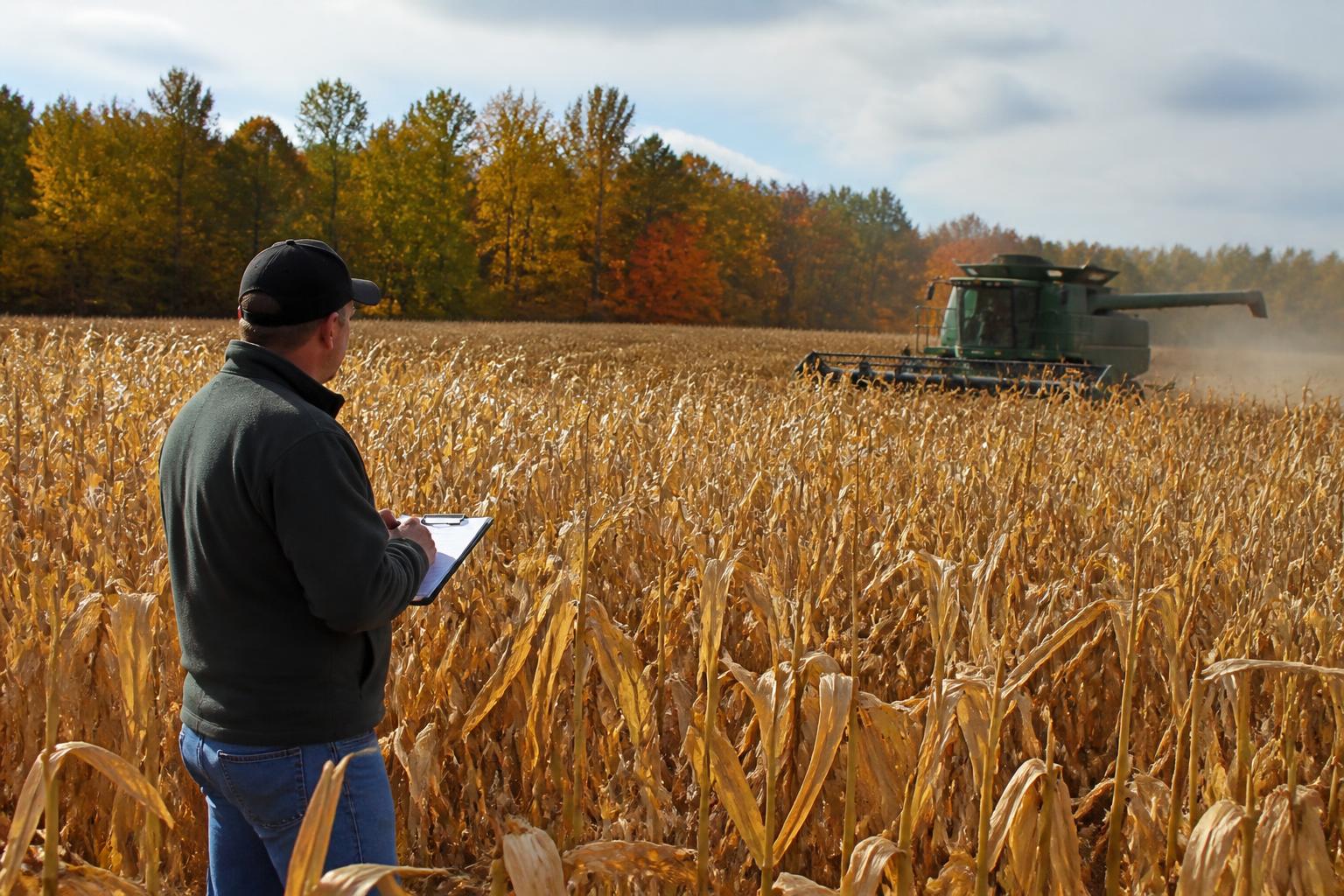
With the fall season well underway, Minnesota growers are focusing on the critical task of moving high-yielding crops from the field to storage or local elevators. Following a growing season that saw favorable conditions in many areas, the pressure now shifts to logistics. Efficient grain handling is essential, particularly as producers navigate the logistical hurdles inherent in peak harvest periods, where timely transport and space availability at regional facilities become the primary bottlenecks.
Navigating Market and Operational Pressures
The consolidation of regional infrastructure and shifts in ownership among major grain handlers mean that communication with local delivery points is more important than ever. Farmers across the state are encouraged to verify receiving hours and drying capacity early in the week to avoid unnecessary wait times at the scale. Managing flow is not just about equipment; it is about synchronizing with the broader supply chain to ensure that grain can move efficiently toward final export or processing markets.
Adapting to Evolving Conditions
Beyond the immediate transport needs, producers are dealing with the broader realities of a shrinking farm count and the ongoing challenges of labor availability. In sectors like animal agriculture, the continued ripple effects of past plant closures still linger in parts of southwestern Minnesota, reminding operators of the need to maintain flexible marketing strategies. As market experts often suggest, having a clear understanding of your local basis and storage options can provide a necessary buffer against volatility.
What it means for the market
The current logistical environment demands proactive planning. For Minnesota agribusinesses and grain handlers, success this season likely depends on clear coordination regarding transport schedules and storage utilization. By prioritizing logistical efficiency and maintaining close ties with local service partners, operations can better position themselves to handle the volume of the current fall harvest despite regional variables.
Comments
No comments yet - be the first to share your take.