
For North Carolina producers, the fall harvest season is a critical period that demands heightened attention to routing and logistics. With crop movement reaching its peak, regional transit patterns are being heavily influenced by ongoing infrastructure work across the state. Navigating these constraints requires proactive planning, particularly for those moving commodities through western corridors where road maintenance and long-term reconstruction projects continue to alter standard transport routes.
Infrastructure Constraints and Transit Adjustments
The state has seen significant activity along major arteries, including ongoing work in the Pigeon River Gorge and localized projects in mountain counties. These developments often necessitate temporary traffic patterns and, in some cases, detours that can add significant time to standard hauling routes. As North Carolina harvest logistics demand efficient movement from field to elevator, operators are urged to monitor NCDOT updates frequently to avoid unexpected congestion near major interchanges and rural bridge sites.
Managing On-Farm Grain Storage
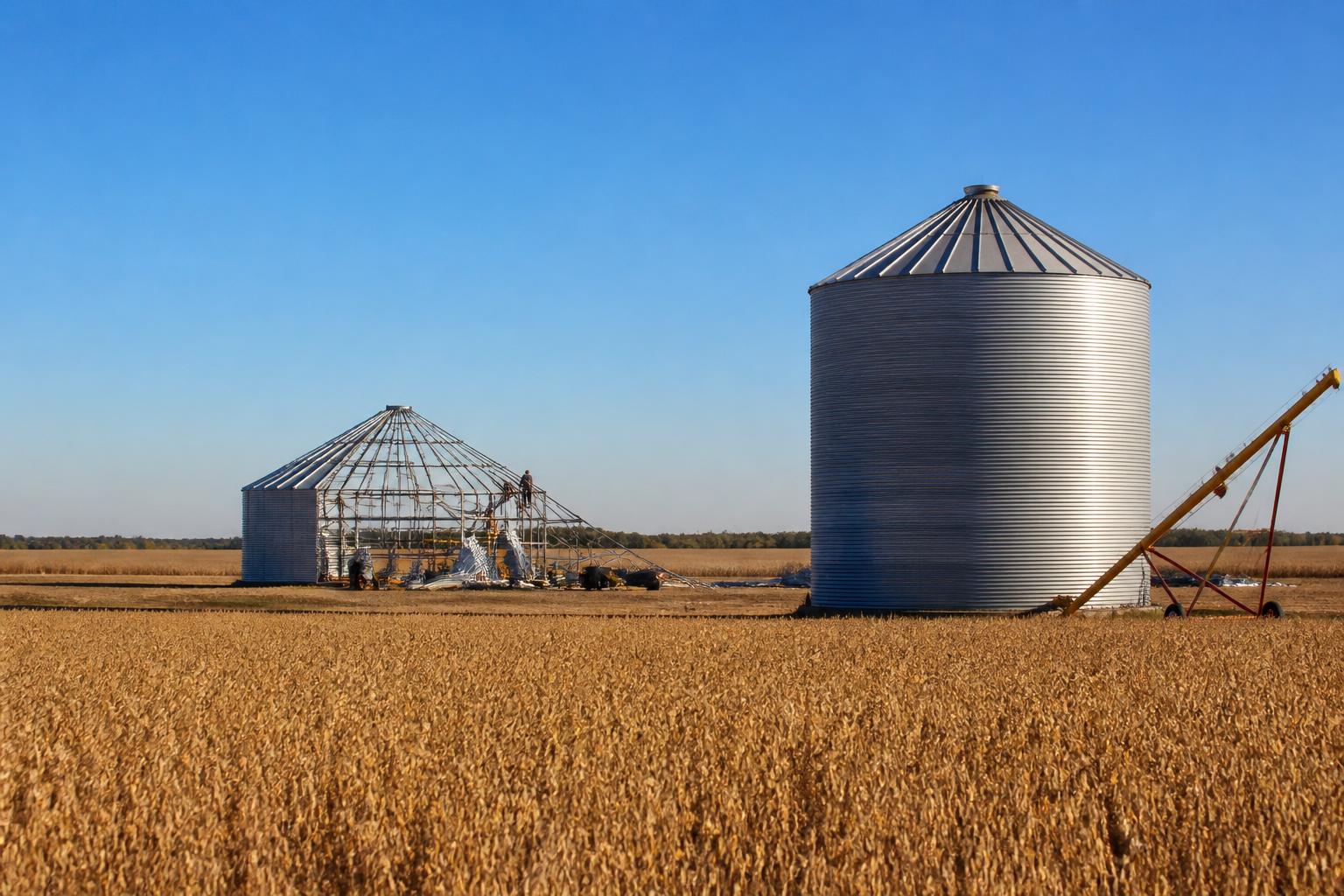
In addition to transit challenges, resilience in storage remains a key focus for local agribusinesses. Following recent extreme weather events in various parts of the state, many farmers are navigating the realities of repairing or replacing grain storage infrastructure. As harvest volumes hit their seasonal high, ensuring that local bin capacity is operational is vital to maintaining flow and avoiding bottlenecks at local delivery points.
What it means for the market
For the broader North Carolina agricultural sector, the current environment emphasizes the need for flexible logistics planning. With transit times impacted by both road infrastructure projects and the seasonal surge in truck traffic, early scheduling and close communication with transport partners can help mitigate risks to supply chain efficiency. Maintaining visibility on local, state-level infrastructure reports is now a standard requirement for efficient seasonal grain marketing.
Comments
No comments yet - be the first to share your take.