
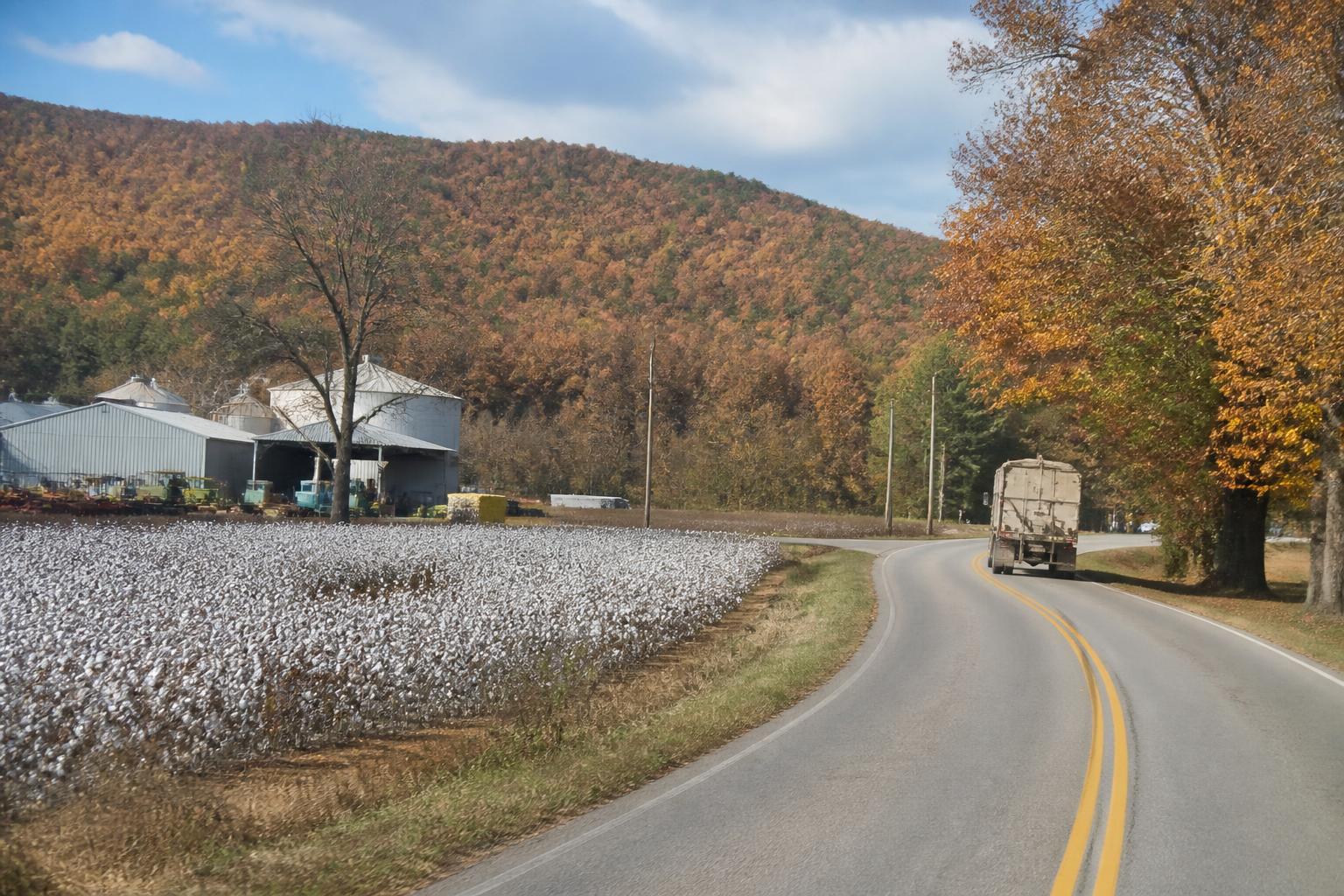
As harvest operations intensify throughout North Carolina, the movement of grain and agricultural inputs requires a disciplined approach to logistics. For farmers and regional freight operators, the current season brings a convergence of field work and increased regional traffic, making route planning essential for maintaining flow to elevators and processing facilities.
The North Carolina Department of Transportation has consistently emphasized the necessity of adhering to established freight corridors, particularly in the western regions of the state. While rural routes may appear as convenient shortcuts for heavy trucks, these secondary roads often lack the load-bearing capacity for fully loaded trailers, leading to potential structural damage or transit delays. Staying on primary, approved routes remains a critical practice to avoid unnecessary enforcement interactions and equipment strain.
Infrastructure Updates and Connectivity
Strategic investments in regional infrastructure continue to be a focus, with new digital mapping tools now available to assist carriers in tracking transportation projects statewide. Such tools are increasingly vital for planning trips around active construction zones. In Western North Carolina, ongoing repair efforts along major arteries like the I-40 corridor continue to progress, though seasonal travelers should anticipate intermittent shifts in traffic patterns that can influence logistics schedules.
The broader development of an integrated Ag Tech Corridor also signals a long-term shift in how local producers interact with supply chains. By leveraging improved data and communication between growers, researchers, and local handlers, the industry aims to optimize the movement of commodities from farm gate to market during peak windows.
Optimizing Seasonal Flow
For operations coordinating their own transport or contracting third-party carriers, the current, busy season highlights the importance of proactive communication with local elevators. Understanding site-specific wait times and facility access points can prevent bottlenecks that often occur during the height of the fall harvest. As many producers look to streamline their harvest logistics, prioritizing consistency in route selection and communication remains the most reliable strategy to contain transport costs.
What it means for the market: Producers and transport operators should expect continued pressure on local road infrastructure throughout the autumn months. By utilizing state-provided mapping resources and prioritizing designated freight routes, market participants can mitigate the risks of delay and equipment fatigue, ultimately ensuring that crop deliveries remain on schedule despite the heavy seasonal volume.
Comments
No comments yet - be the first to share your take.