
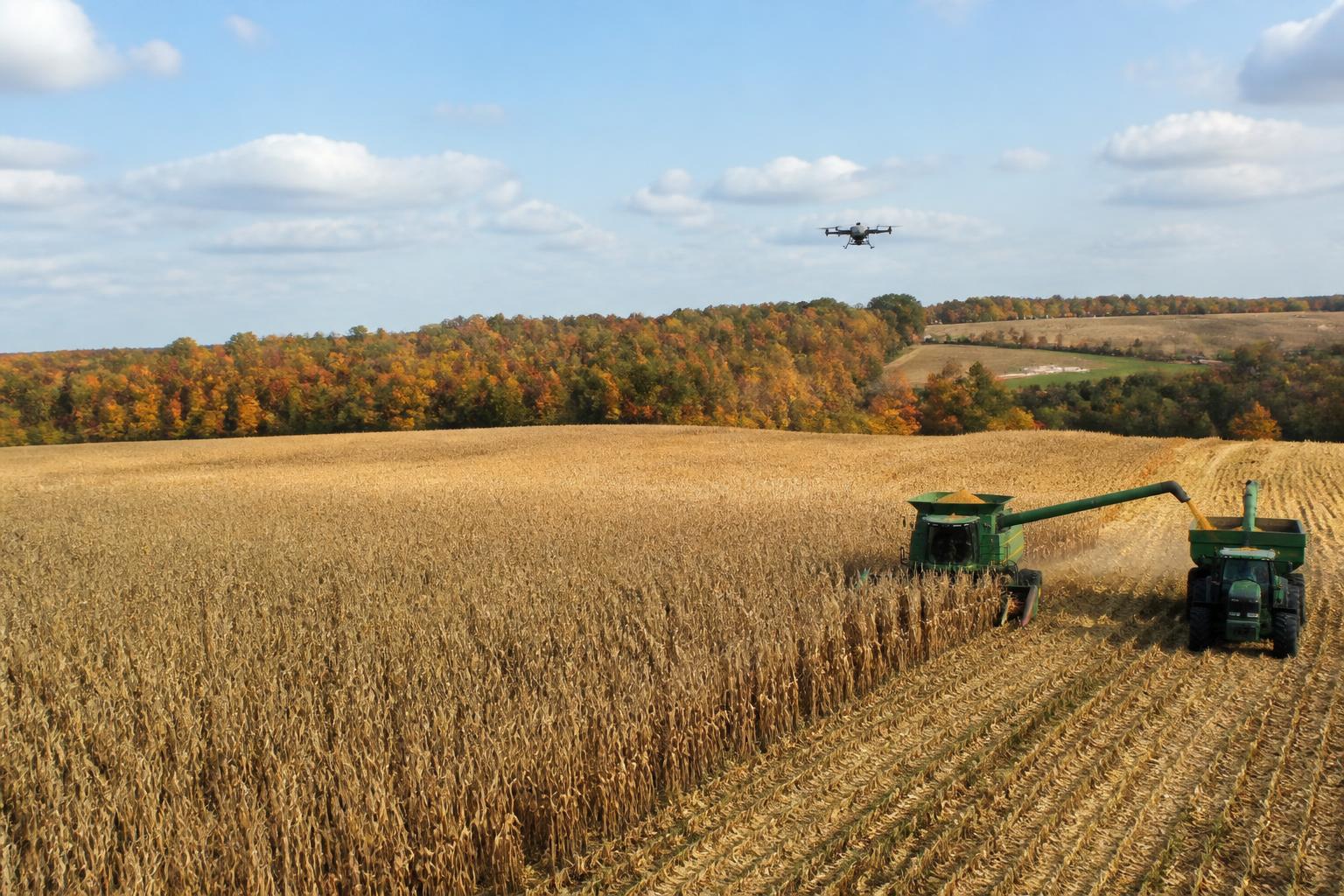
Harvest momentum is building across Kentucky this October as regional corn maturity continues to outpace long-term averages. For many producers, the current window provides an essential opportunity to clear fields ahead of potential late-season weather shifts. As combines move across the Bluegrass State, the focus for agribusinesses and local carriers remains on maintaining a steady flow from field to storage to avoid bottlenecks.
Efficient grain infrastructure is proving vital this season as harvest paces test existing regional capacity. Early reports suggest that logistical synchronization between elevators and on-farm storage is critical to keeping equipment moving, particularly in key production counties where heavy daily volumes are anticipated. Managing the surge in truck traffic remains a priority for operators working to coordinate local haulers and commercial transport.
Refining Post-Harvest Strategies
The pace of the harvest also brings renewed attention to grain quality management. With late-season yields showing variability, many operations are prioritizing moisture testing and aeration to protect crop integrity. Beyond immediate field operations, the regional focus is shifting toward long-term field health. Ongoing research, including field trials and study results, continues to underscore the value of cover crops and precision monitoring in sustaining productivity for future seasons.
What it means for the market
For Kentucky growers and grain handlers, the ability to manage the current harvest surge will define the profitability of the fall cycle. With maturity rates running ahead of schedule, the premium is on logistical agility. Market participants should prepare for continued pressure on transport services and local storage facilities, emphasizing the need for proactive communication between farmers, input providers, and elevator operators to navigate the remainder of the fall season successfully.
Comments
No comments yet - be the first to share your take.