
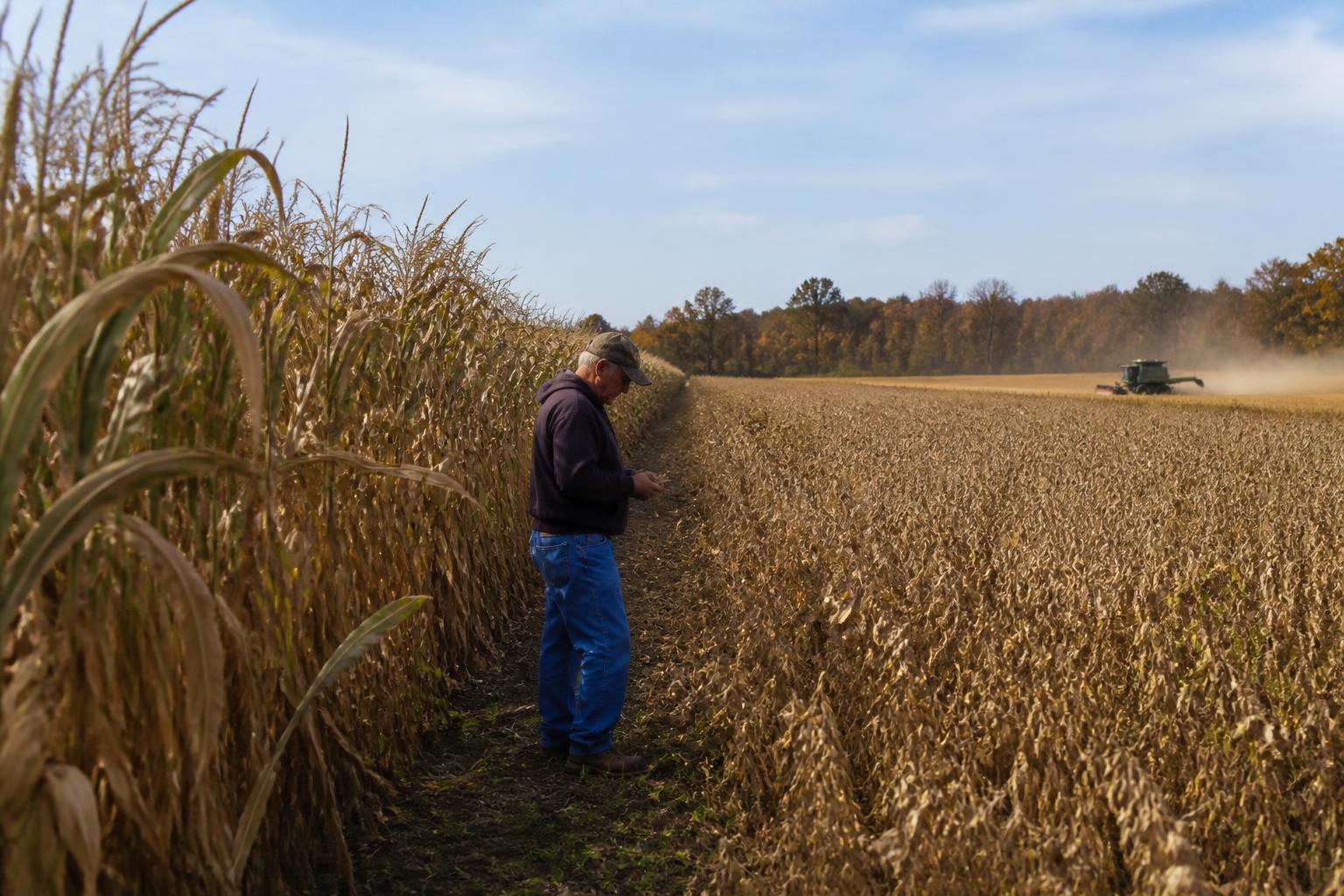
As the Indiana harvest moves into full swing this October, farmers across the state are balancing the immediate demands of the field with the longer-term pressures of input management. With variable moisture levels impacting fields in different regions, the priority remains on securing yield while keeping an eye on the bottom line. For many operators, the current logistical push is testing the resilience of local grain handling infrastructure.
Input Efficiency and Regulatory Shifts
Managing overhead costs continues to be a central theme for Indiana agribusinesses. As farmers review their operational successes and challenges, the integration of new stewardship programs, such as the 4R fertilizer certification, is becoming a standard conversation for those looking to maximize nutrient efficiency. These initiatives are not just about environmental compliance but are increasingly viewed as practical tools for controlling the high cost of inputs that have weighed on margins in recent seasons.
Market Pressures and Regional Resilience
The agricultural landscape in Indiana is currently influenced by a confluence of factors, ranging from fluctuating global export demand to the lingering effects of weather patterns experienced earlier in the year. Farmers navigating these conditions are often finding that local supply chain management, from transport coordination to on-farm storage, is the critical link in maintaining a profitable harvest. Staying informed on infrastructure and transport bottlenecks can help producers avoid the common pitfalls that arise during the busiest weeks of the season.
What it means for the market
For the Indiana agricultural sector, the path to profitability in the current climate requires a dual focus: optimizing field-level input applications and maintaining a proactive stance toward logistics. By leveraging modern stewardship practices and maintaining operational flexibility, producers can better buffer themselves against thin margins and the unpredictable nature of harvest season throughput.
Comments
No comments yet - be the first to share your take.