
Building Long-Term Soil Resilience
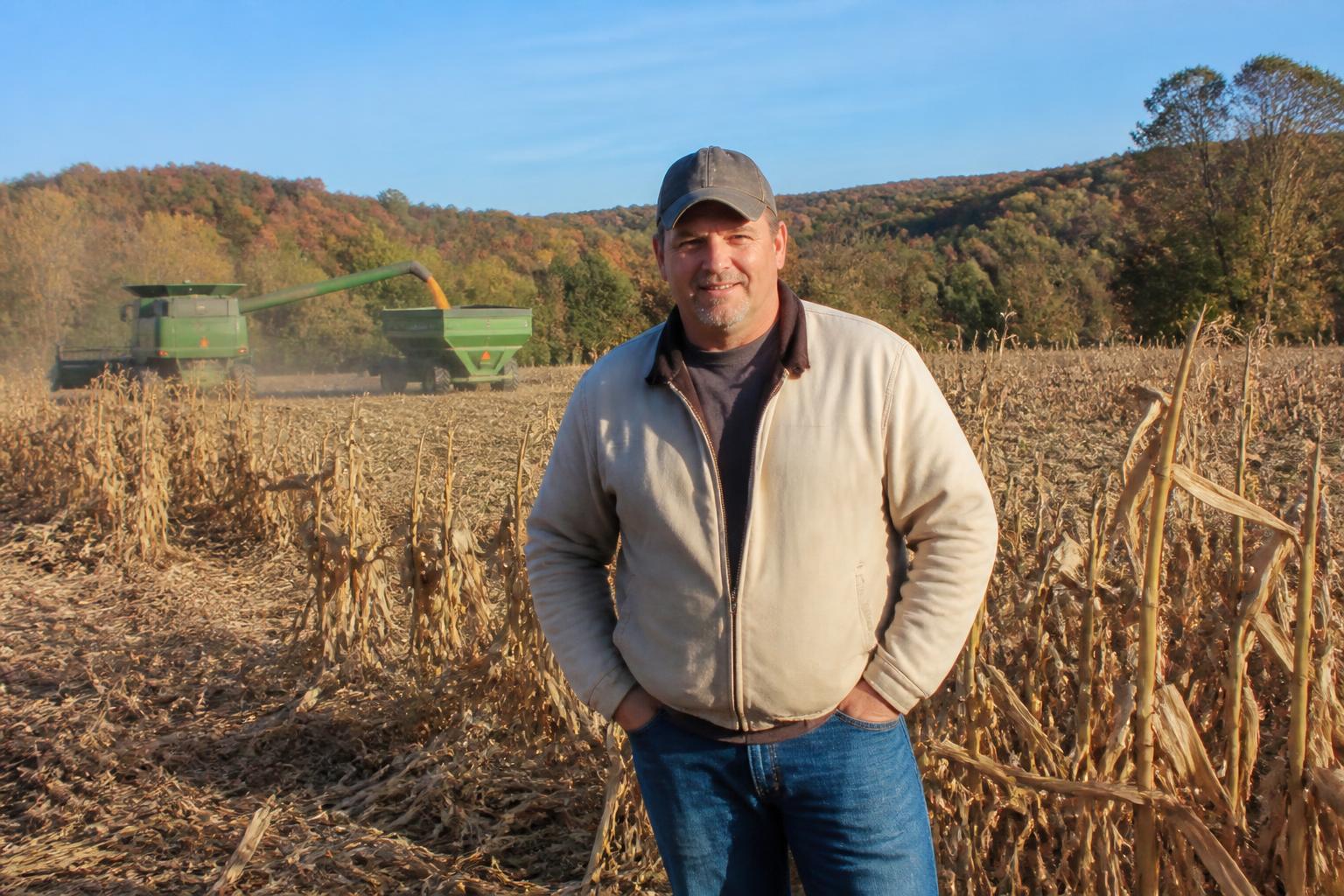
With the fall harvest operations now in full swing, many Alabama producers are turning their attention to the critical task of post-harvest soil management. As combines move across fields in counties from the Tennessee Valley to the Wiregrass, the focus naturally drifts toward preparing for next season's fertility requirements. Understanding the complexities of nutrient management is essential for maintaining high yields and long-term land productivity.
Addressing Phosphorus Stratification
In many no-till or reduced-tillage cotton and row-crop systems common in Alabama, phosphorus often tends to accumulate in the upper soil profile. This phenomenon, known as phosphorus stratification, can lead to nutrient availability issues if the crop root system does not extend into these surface-enriched layers. Careful monitoring through consistent soil testing remains the most reliable way to assess whether current broadcast applications are reaching the required depths or if adjustments to fertilizer placement strategies are necessary to support healthy crop development.
The Role of Nitrogen Cycling
Beyond phosphorus, nitrogen remains a keystone indicator for overall soil health. Efficient nitrogen cycling is influenced by organic matter content, soil temperature, and moisture levels, all of which vary significantly across the state's diverse geography. Managing these cycles effectively can help optimize input usage, potentially reducing waste and improving the economic bottom line for operations as they plan for the next planting window.
What it means for the market
For growers and input managers, the current window represents a prime opportunity to refine fertility programs based on recent harvest performance. By prioritizing precise soil analysis rather than generic application rates, producers can better navigate the current input market, ensuring that each dollar spent on fertilizers contributes directly to sustained yield potential and improved soil structure for the coming year.
Comments
No comments yet - be the first to share your take.