
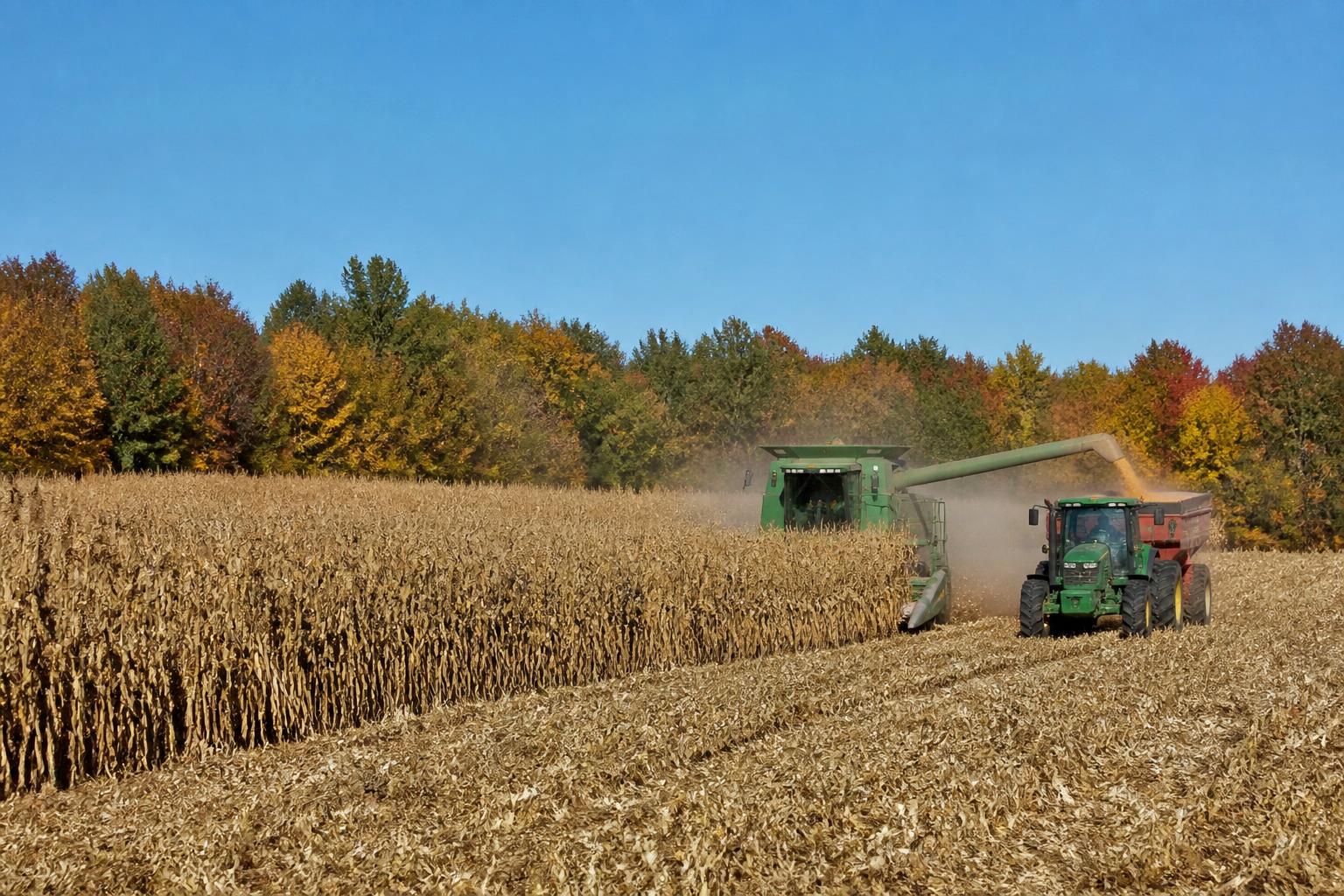
With the autumn harvest now in full swing across Illinois, growers are increasingly focusing on the intersection of field efficiency and bottom-line management. While the machinery hums across the Corn Belt, the broader economic landscape remains complex, with current reports indicating that fertilizer and fuel prices are trending higher heading into the final quarter of 2026. These added pressures are forcing many operations to sharpen their focus on long-term input procurement and efficiency.
For many producers, navigating these headwinds requires a clear eye on both regional supply chain dynamics and the potential for extended market volatility. The volatility in the fertilizer market continues to be a central talking point at local cooperatives and service centers from the northern reaches of the state down to the river terminals. As operations shift from harvest to post-harvest planning, the decision-making process for next season is already being shaped by these current cost trends.
Evaluating Operational Costs and Logistics
Beyond the cost of raw materials, logistics continue to play a critical role in the state's agricultural resilience. The transportation sector remains a key variable, as any disruption in trucking or rail capacity can influence how effectively inputs reach the farm gate. Recent shifts in the logistics landscape underscore the need for proactive scheduling and reliance on local, reliable partnerships to maintain steady input flows during these busy months.
Furthermore, as producers manage their moisture and infrastructure bottlenecks during the harvest push, many are finding that balancing immediate operational costs with future input needs is essential. For many, this includes monitoring how policy shifts and federal trade discussions may eventually impact the availability of imported fertilizers or the costs associated with essential production equipment.
Strategies for the Season Ahead
As the fall season progresses, farm managers in Illinois are encouraged to continue evaluating their risk exposure. Whether addressing potential herbicide resistance or adjusting nutrient management plans, the goal remains consistency in yield potential despite rising expenditure. Strategic procurement often serves as the best buffer, especially when producers can lock in supplies or services in advance of seasonal surges.
For those looking to optimize their management practices, staying current on strategic procurement tactics is vital. Understanding how global trends filter down to the local Illinois elevator level can provide the necessary edge to stay ahead of price fluctuations and ensure that necessary resources are positioned well in advance of spring planting.
What it means for the market
The convergence of higher fertilizer costs and complex logistics suggests a challenging environment for near-term margin management. Farmers and agribusinesses should prioritize building flexible, data-driven procurement plans to mitigate the impacts of current cost trends. By focusing on efficient application and strategic inventory management, operations can better position themselves to withstand price volatility while maintaining productivity into the next planting season.
Comments
No comments yet - be the first to share your take.