
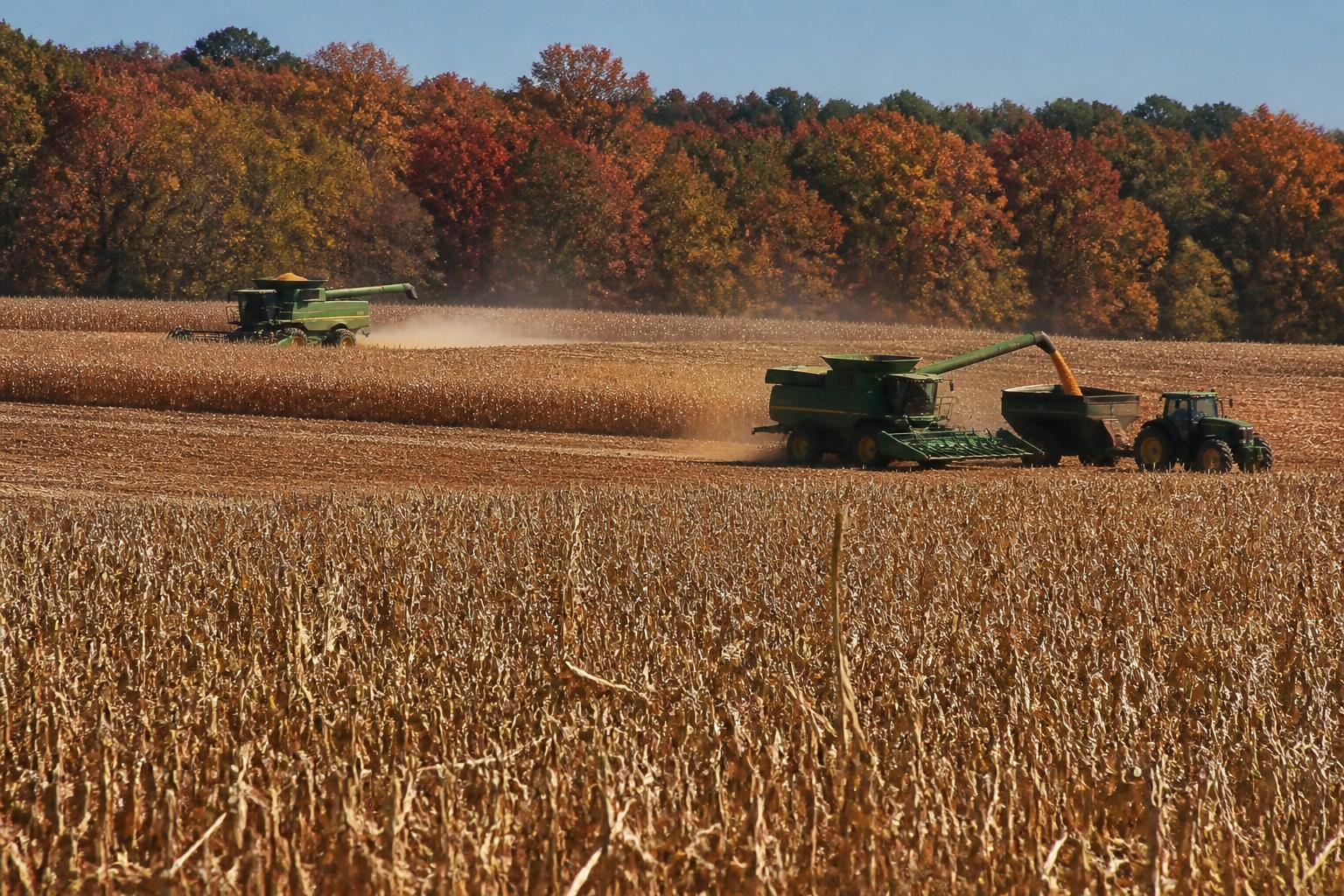
As the fall harvest season accelerates across North Carolina, the agricultural sector is managing a complex logistics environment. Producers and grain handlers are navigating a period where operational expenses remain under scrutiny, particularly as fuel costs continue to influence the bottom line for those moving commodities from the field to storage and processing hubs.
The current landscape requires careful planning to maintain efficiency during peak throughput. For many, this involves proactive coordination to avoid potential bottlenecks on rural routes, a common challenge for those managing transport amid shifting transit infrastructure. Operators are encouraged to monitor local road conditions closely, as maintenance work and event-related congestion can disrupt travel times in both mountainous regions and the coastal plains.
Managing Operational Costs Amid Price Volatility
With diesel fuel prices remaining high, transportation budgets for the 2026 harvest are facing significant pressure. This environment emphasizes the importance of optimizing truck routes and maximizing payload efficiency. When margins are tight, even minor delays at elevators or during transit can aggregate into substantial losses over the duration of the season. Strategic coordination of seasonal harvest flow remains a critical component for farms looking to mitigate the impact of these input price fluctuations.
Infrastructure and Localized Disruptions
Beyond fuel, local traffic patterns continue to affect rural logistics. In parts of the state, infrastructure projects designed for safety improvements occasionally result in unpredictable detours or bottlenecks. For carriers hauling grain or inputs, staying informed on municipal project updates and avoiding major thoroughfares during peak congestion hours is vital to keeping cycles moving efficiently. These localized challenges often require operators to remain flexible with their daily scheduling, especially when moving equipment or heavy loads during the height of the fall activity.
What it means for the market
The convergence of elevated energy costs and infrastructure variability necessitates a disciplined approach to logistics this season. For North Carolina agribusinesses, success will likely hinge on the ability to remain agile in the face of transit delays and to leverage efficient routing to offset the overhead of fuel. Maintaining a focus on reliable communication between the field, the elevator, and the fleet will be essential for navigating the remainder of the harvest cycle.
Comments
No comments yet - be the first to share your take.