
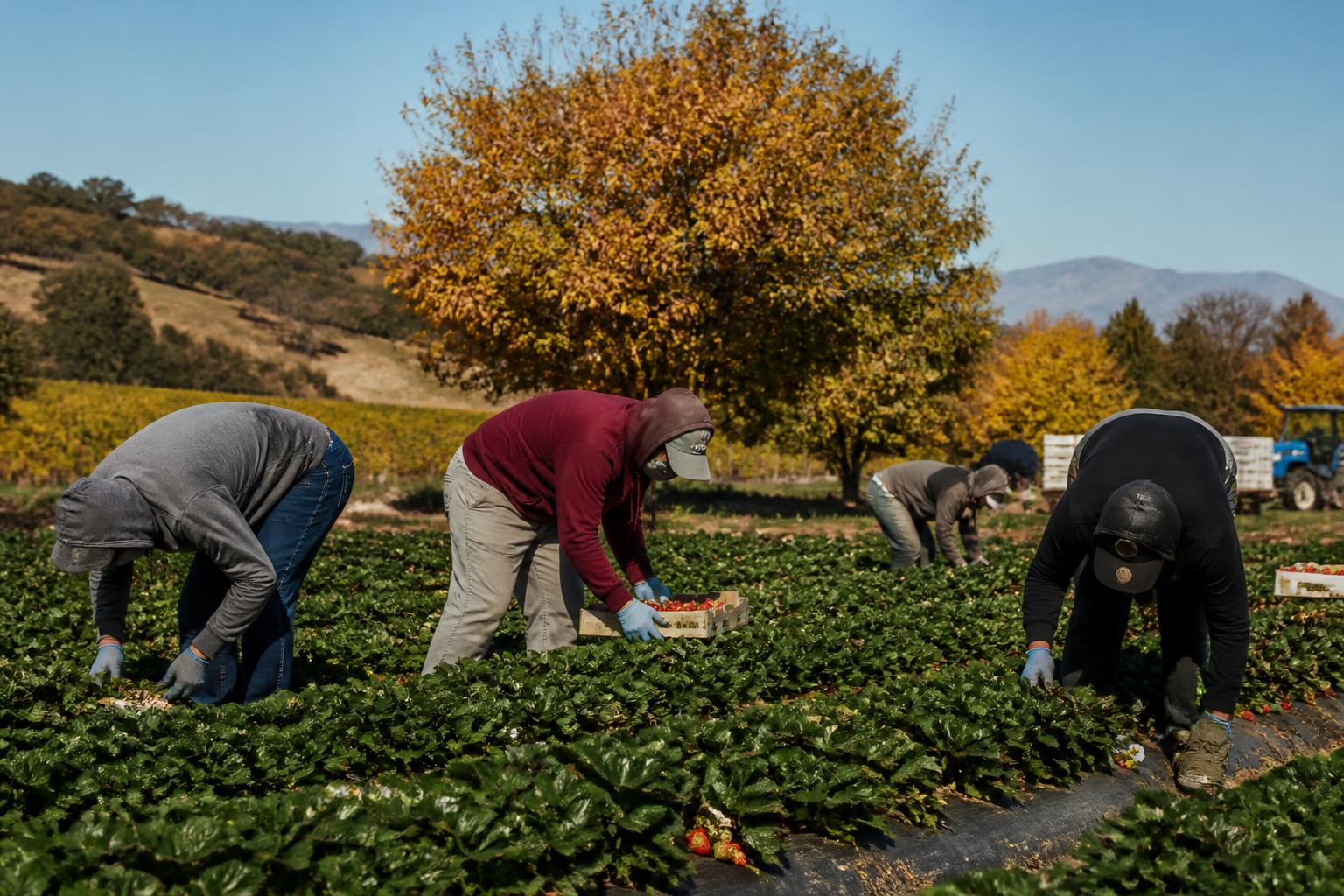
As California agriculture moves through the fall season, growers across the state are recalibrating their crop protection and management strategies. The regulatory environment continues to evolve, forcing producers in regions from the Central Valley to the coastal plains to balance input efficacy with emerging compliance requirements. Whether adjusting to new restrictions on specific chemical tools or exploring the integration of biological alternatives, the focus remains on maintaining yield quality amid shifting standards.
Expanding the Biological Toolbox
Recent regulatory activity has highlighted a transition toward diversified pest management. The registration of new biofungicides in California offers a potential alternative for producers looking to supplement their existing protection programs. These biological tools are becoming increasingly relevant as farmers move away from traditional chemistries that face heightened scrutiny or phased exits. By incorporating these innovations, operations may find a more sustainable path to managing fungal pressures without relying solely on conventional synthetic inputs.
Operational Resilience in a Changing Market
The pressure on input management is compounded by broader logistical and economic shifts. As growers finalize their plans for the upcoming crop year, the necessity of securing reliable and compliant supplies has never been higher. Efficient agricultural logistics continue to play a pivotal role in ensuring that critical protection products, as well as essential fertilizers and equipment, reach fields on time despite regional infrastructure complexities.
Key Takeaways:
- Diversification: Growers are increasingly evaluating biological agents to fill gaps left by the sunsetting of long-standing chemical products.
- Planning Ahead: Early engagement with input suppliers is advised to mitigate potential supply chain bottlenecks during the peak fall application windows.
- Regulatory Vigilance: Keeping up-to-date with state-level rulings remains the best defense against unforeseen operational disruptions during the growing cycle.
What it means for the market: The shift toward a more varied protection portfolio suggests that agribusinesses and farmers who prioritize adaptability will be better positioned to handle the ongoing volatility in both the input and production sectors. As the regulatory climate in California tightens, early adoption of proven biological technologies may provide a competitive edge in maintaining consistent crop health.
Comments
No comments yet - be the first to share your take.