
Navigating Input Logistics in Vermont
As the fall season progresses, Vermont producers are evaluating their nutrient management plans and logistics for the coming year. Rising fuel costs continue to influence the economics of hauling inputs and transporting agricultural products to market. For many operations, particularly those integrated into regional supply chains, optimizing delivery routes and managing inventory levels are becoming essential to mitigate the impact of fluctuating transportation expenses on overall farm margins.
Understanding how Vermont dairy producers are assessing nutrient and margin strategies this autumn can provide a roadmap for other sectors. Balancing the cost of bulk soil amendments against transport fees requires careful coordination with local suppliers. Farmers are increasingly looking toward cooperative partnerships to stabilize these costs, ensuring that necessary inputs remain accessible even as regional transit costs shift.
Organic Input and Market Access
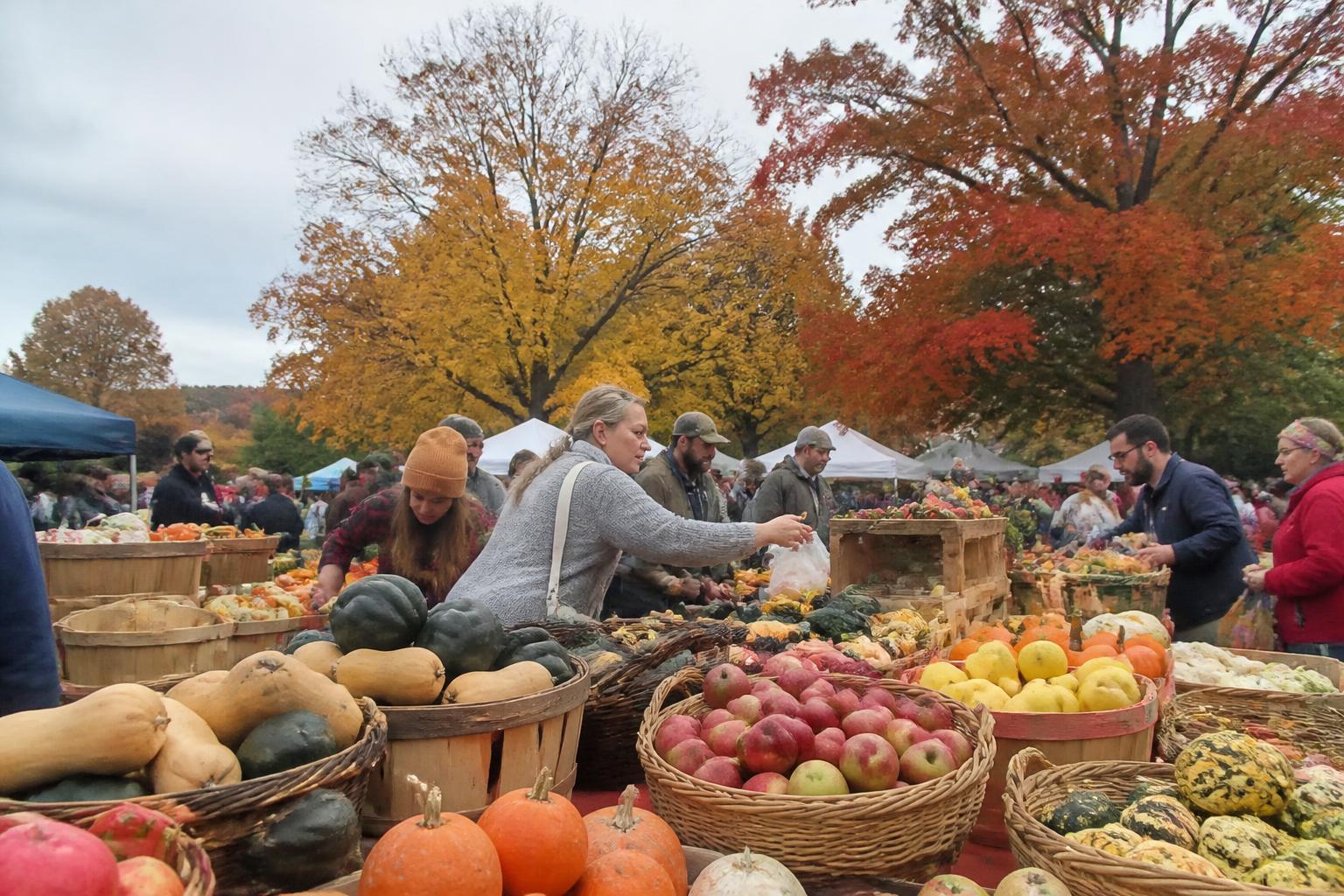
The synergy between local retail outlets and producers remains a cornerstone of the Vermont agricultural economy. Retail cooperatives are playing a vital role in keeping local products on shelves, which in turn supports the financial health of organic farmers. By maintaining a reliable market, these partnerships allow producers to better project their input requirements and invest in sustainable soil health practices without the immediate pressure of volatile commodity markets.
However, the proximity to these markets does not insulate farmers from broader cost pressures. As logistics demand increases during the harvest window, the interplay between field requirements and transportation overhead can create temporary friction. Producers who effectively align their navigating regulatory and market landscapes with efficient procurement cycles often find themselves in a better position to handle these seasonal challenges.
Key Takeaways
- Monitor fuel-related delivery surcharges as they influence the total landed cost of bulk fertilizers and amendments.
- Strengthen local cooperative ties to leverage collective buying power and minimize the impact of transport logistics.
- Align organic soil amendment orders with seasonal labor availability to reduce equipment run-time and fuel consumption.
What it means for the market: Producers should anticipate continued sensitivity in input pricing as fuel costs impact regional logistics. By focusing on local distribution models and cooperative procurement, Vermont farmers can sustain consistent soil health initiatives despite wider economic pressures in the transportation sector.
Comments
No comments yet - be the first to share your take.