
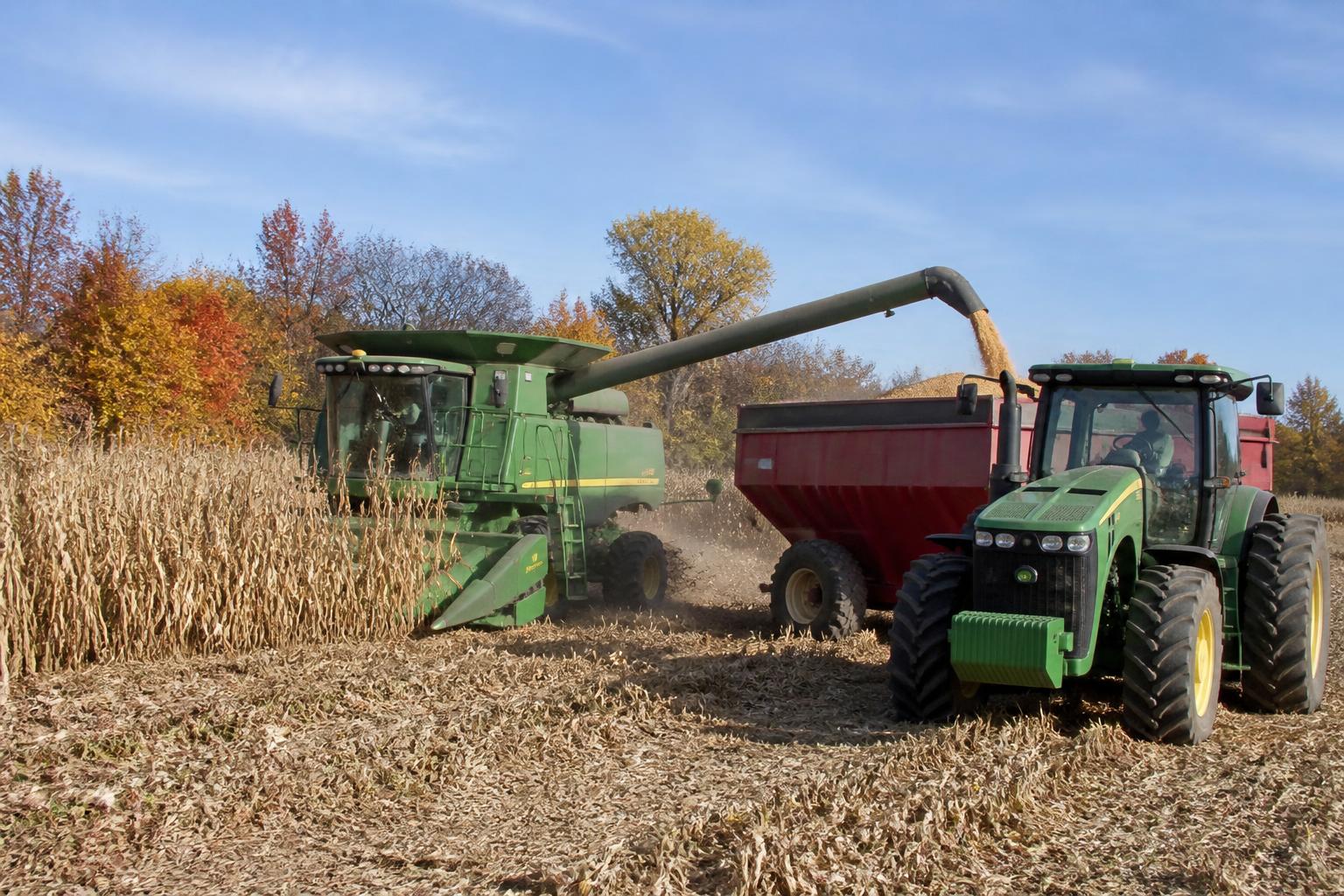
As South Dakota producers navigate the peak demands of the fall harvest, recent regulatory shifts regarding fuel usage have become a focal point for logistics planning. Guidance provided by state leadership has clarified enforcement priorities for the use of dyed diesel, aiming to streamline operations for farmers moving machinery and grain between fields and regional hubs.
Understanding these fuel regulations is a key component of navigating the complex logistics of the South Dakota harvest. With grain movement accelerating across major corridors, minimizing downtime caused by equipment or fuel compliance issues is essential for maintaining consistent flow into local elevators.
Operational Impacts for Local Agribusiness
For grain handlers and transport operators, the ability to maintain momentum during the brief window of the fall harvest is paramount. Proper fuel documentation can help avoid unnecessary delays, especially as producers manage logistics amid seasonal pressures that typically see increased heavy vehicle traffic on county and state roads. Being aware of the current enforcement environment ensures that farm-to-elevator operations remain productive.
What it means for the market
The updated guidance on dyed diesel provides a clearer path for producers, potentially reducing the operational friction often experienced during peak harvest months. By aligning fuel use with current state enforcement priorities, agribusinesses can better allocate their resources and focus on the immediate tasks of crop storage and regional transport, ensuring that South Dakota's harvest reaches its destination efficiently.
Comments
No comments yet - be the first to share your take.