
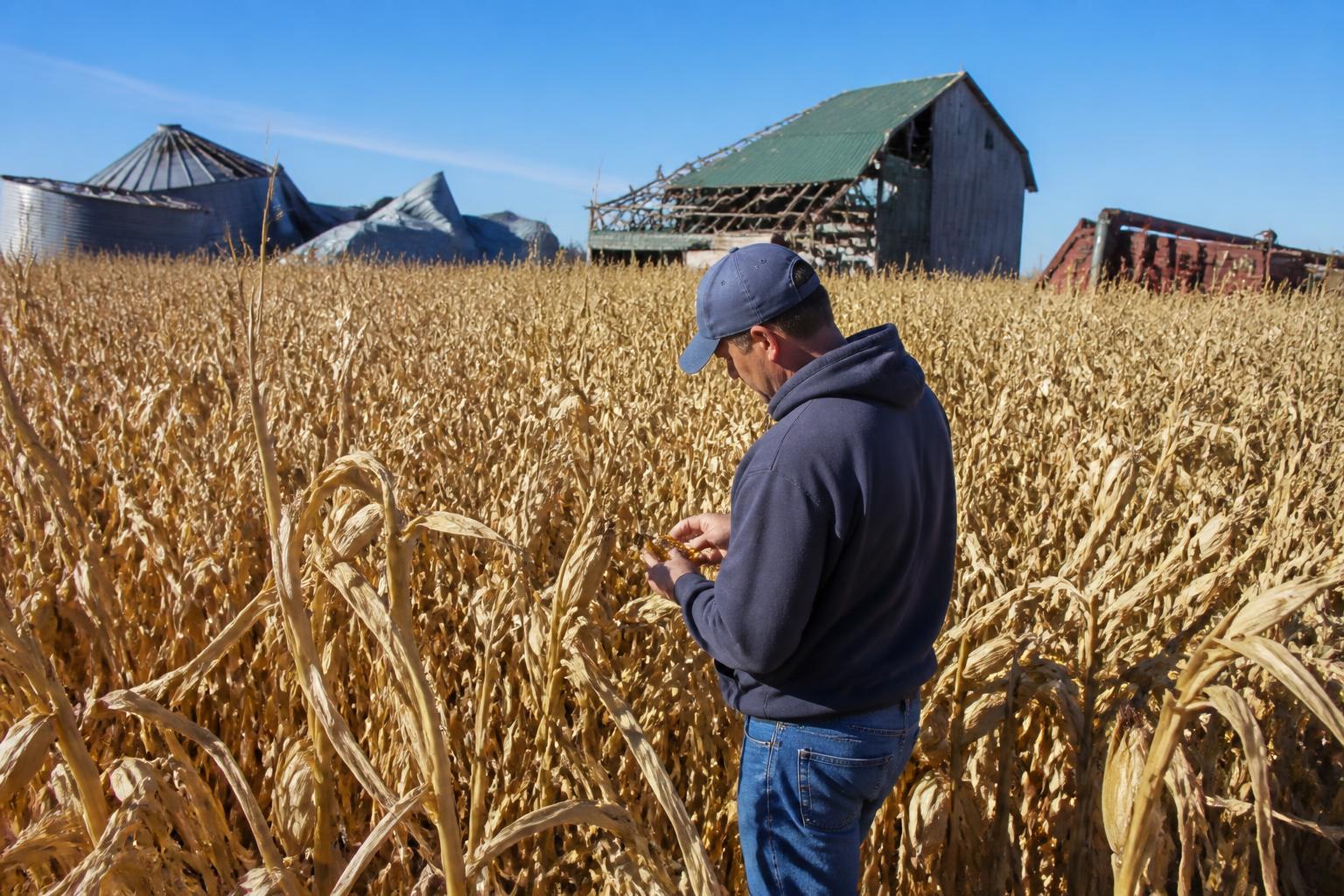
As the South Dakota harvest advances, the intersection of market volatility and field-level logistics demands a disciplined approach to operations. Producers across the state are balancing the immediate pressures of crop handling with long-term financial uncertainty, which is shaping storage and marketing strategies for the coming winter months. With grain market movements currently drawing significant concern from both growers and industry stakeholders, the focus has shifted toward minimizing exposure while maximizing throughput.
Operational efficiency during this window often hinges on how effectively transport resources are deployed. Farmers are frequently adjusting to the reality of fluctuating input costs and the need for streamlined logistical pathways to local elevators. Navigating these regional bottlenecks requires not only reliable equipment but also a clear understanding of the broader market environment that influences commodity price discovery.
Strategic Financial and Logistical Management
The current market landscape is characterized by a heightening of concerns regarding revenue stability. Producers are increasingly wary of how global developments and regional yield variability affect their bottom lines. For those managing grain volume, the complexity of securing fair market access in an environment prone to sudden shifts remains a persistent challenge.
Maintaining an agile approach to transport is equally vital as producers work through the fall cycle. For many operations, the ability to pivot between different grain handling solutions can be the difference between maintaining momentum and losing valuable time to downtime or storage limitations. As the industry continues to monitor these moving parts, those who prioritize integrated planning for both storage and transport are typically better positioned to mitigate the risks inherent in a volatile season.
What it means for the market
For South Dakota agribusinesses, the takeaway is clear: uncertainty in the grain markets necessitates a proactive stance on logistics. Whether it involves re-evaluating storage capacity or optimizing local transport corridors, success this season will likely favor those who maintain strict control over their harvest-time expenses and market engagement strategies. Staying informed on evolving logistics practices remains a necessary component for safeguarding profitability through the remainder of the year.
Comments
No comments yet - be the first to share your take.