
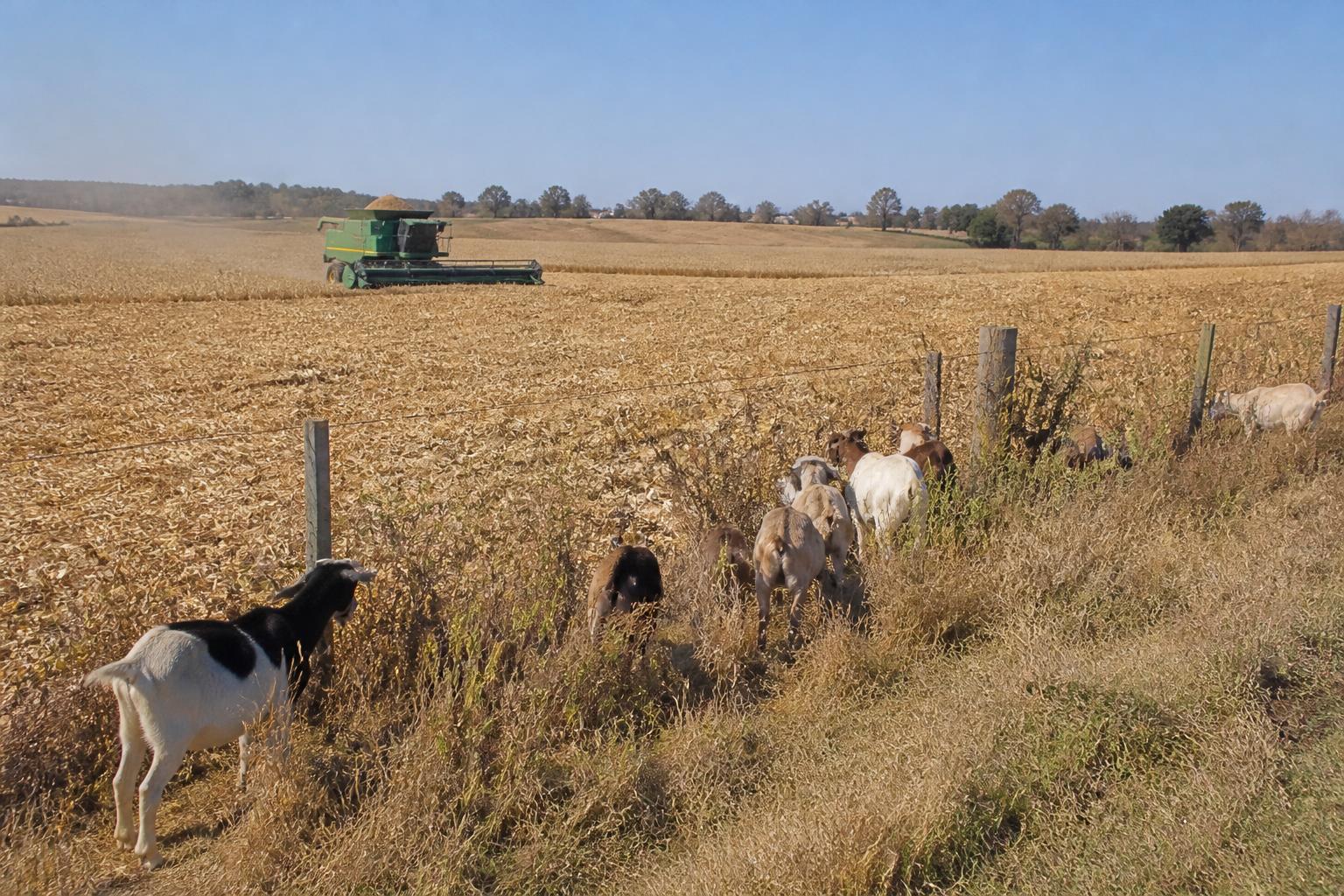
As the fall harvest season shifts into full gear across Kansas, producers are reporting a landscape defined by significant yield variability. While some areas are benefiting from favorable late-season conditions that have supported crop progress, others continue to manage the cumulative impact of excessive moisture, which has created uneven results across many fields. This inconsistency in yield potential is forcing local agribusinesses and grain handlers to remain highly adaptive in their storage and logistics planning.
Navigating Logistical and Infrastructure Constraints
Beyond the challenges of field performance, the state's logistical network remains under pressure. Farmers are increasingly focused on managing inventory in a climate where local infrastructure, such as rail transport, can see significant cost impacts, including fuel surcharges that affect net margins. Staying ahead of these infrastructure constraints is vital as the volume of grain moving toward elevators intensifies. For many operations in central and western counties, effective timing of grain movement is often the difference between efficient throughput and costly delivery bottlenecks.
Strategic Market Positioning
The current market environment also emphasizes the importance of understanding long-term supply chain connections. Recent outreach efforts by international buyers, such as those from Mexico touring the Midwest, highlight the ongoing need to strengthen U.S. export foundations. Producers are also keeping a close watch on national policy discussions, particularly regarding input cost volatility and federal probes into fertilizer pricing, as these factors continue to influence planning for the next planting cycle.
What it means for the market
For grain handlers and producers, the priority in October is managing through the mixed bag of harvest results. By focusing on site-specific yield data and maintaining awareness of logistical shifts, agribusinesses can better navigate the remainder of the season. As the pace of harvest continues to accelerate, prioritizing communication with transport partners and monitoring local elevator capacity remains the most practical strategy for safeguarding against potential market disruptions.
Comments
No comments yet - be the first to share your take.