
Navigating Yield and Pathogen Pressures
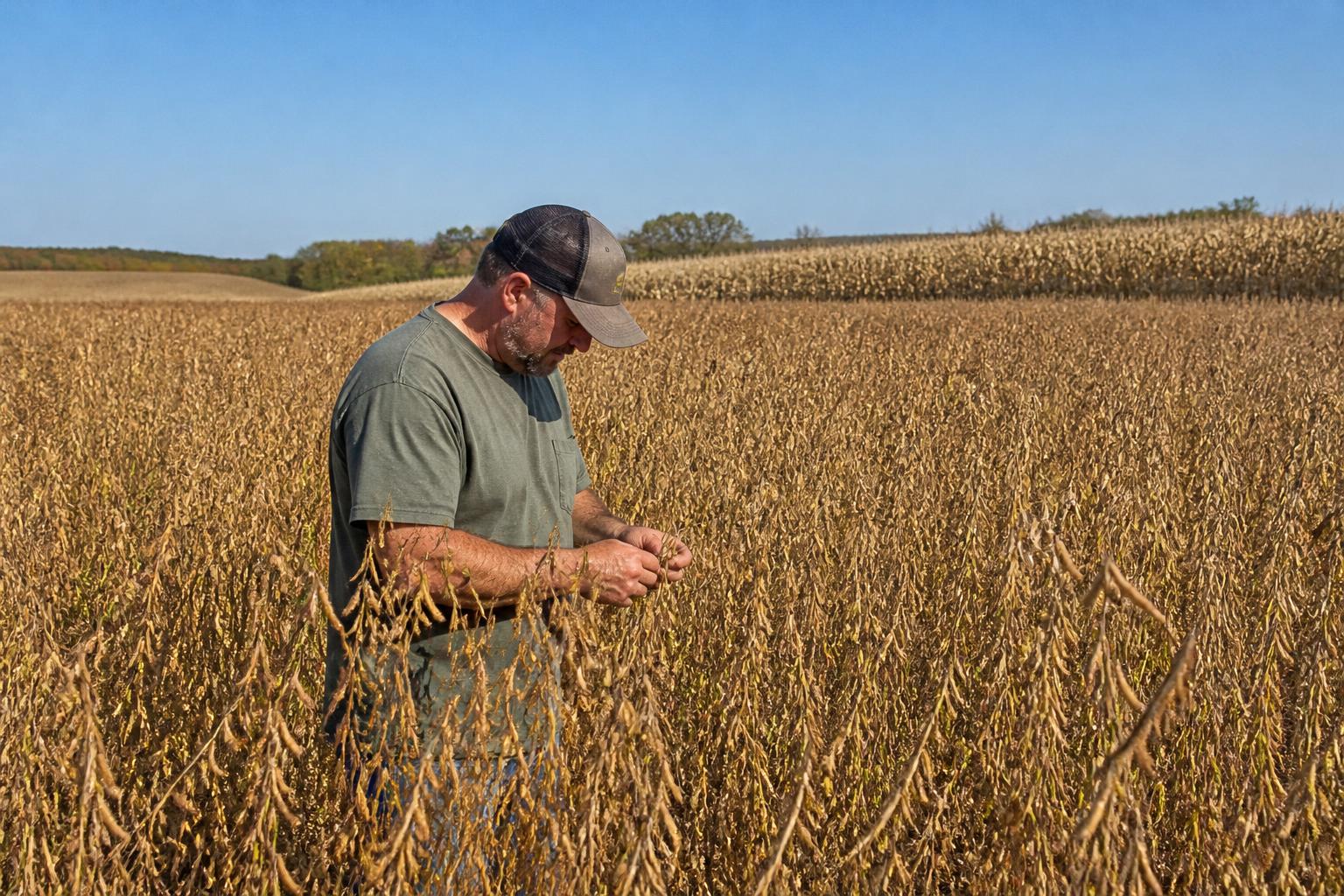
As the fall harvest progresses across Missouri, many producers report optimism regarding soybean yields. Despite this productivity, field management remains complex due to the reported expansion of red crown rot in various soybean fields. Staying vigilant during the harvest, particularly when moving equipment through infested areas, remains a key focus for local growers aiming to mitigate the spread of soil-borne pathogens.
For those managing field logistics and soil conditions, this time of year requires careful attention to both harvest efficiency and field hygiene. Balancing high-volume grain transport with strict sanitation protocols can help prevent the further movement of persistent diseases as equipment moves between plots.
Input Strategic Shifts and Industry Oversight
Beyond harvest operations, strategic planning for future nutrient applications is top of mind for many agribusinesses. In regions like the Missouri Bootheel, there is a growing conversation around the timing of fertilizer applications, with some evidence suggesting that spring may offer better efficiency for nutrient management compared to fall programs. These regional shifts in application timing can directly influence input costs and operational logistics as producers look to optimize their seasonal workflows.
Simultaneously, corn producers are maintaining pressure for greater transparency within the fertilizer market. The call for a faster probe into industry pricing and supply chain practices reflects a broader desire for more stability in input markets. For producers, understanding these market dynamics is as critical as monitoring current on-farm storage capacity and logistics during the busy fall season.
What it means for the market
Missouri producers are operating in a landscape defined by strong yield potential tempered by increasing disease management requirements and a volatile input environment. The combination of localized pathogen outbreaks and ongoing advocacy for fertilizer price transparency suggests that farmers should prioritize both immediate field sanitation and long-term procurement planning. Keeping a close watch on regional fertilizer trends and maintaining rigorous equipment cleaning protocols will be essential to protecting margins and field health as the season concludes.
Comments
No comments yet - be the first to share your take.