
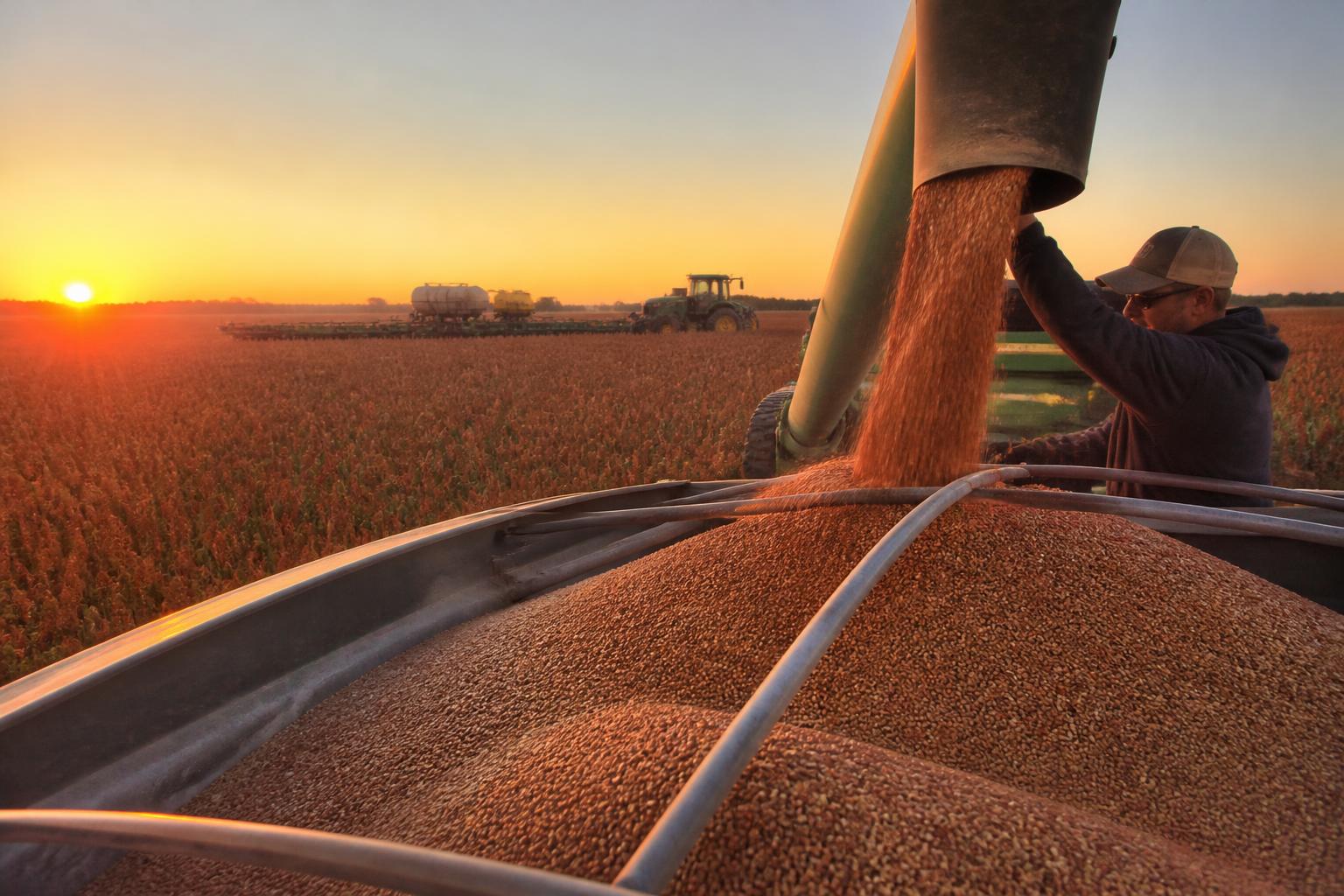
Harvest operations continue to advance across Kansas as the fall season reaches its peak. Producers are currently evaluating crop conditions, with recent reports highlighting the challenges of balancing yield potential against localized weather impacts. As combines roll through fields across the state, managing the flow of grain to local elevators remains a critical priority for logistics managers and farmers alike.
Regional conditions continue to play a major role in determining the pace of the harvest. While some areas report favorable progress, others are contending with specific environmental stressors that have impacted overall crop performance. For those coordinating grain logistics in the Sunflower State, these variables necessitate careful, daily adjustments to transportation schedules and storage capacity management.
Infrastructure and Market Logistics
The efficiency of the Kansas agricultural supply chain remains heavily dependent on road and rail throughput. As seasonal volume reaches its zenith, carriers and elevator operators are monitoring fuel cost trends, which some analysts suggest may remain elevated for the foreseeable future. Staying ahead of potential supply chain bottlenecks is essential for maintaining margins during this high-activity window.
Strategic Planning for Input and Output
Beyond the immediate harvest, the focus is shifting toward long-term field management and input planning. The integration of advanced machinery and precision agriculture tools is helping some operations optimize their post-harvest efficiency, particularly in sandy soil regions where moisture management and cover cropping are becoming increasingly important for soil health.
What it means for the market: Producers should remain prepared for continued logistical tight spots as harvest volumes peak. Monitoring local elevator capacity and maintaining flexible transportation options will be key to navigating potential delays and ensuring grain is moved effectively as regional demand fluctuates throughout the remainder of the season.
Comments
No comments yet - be the first to share your take.