
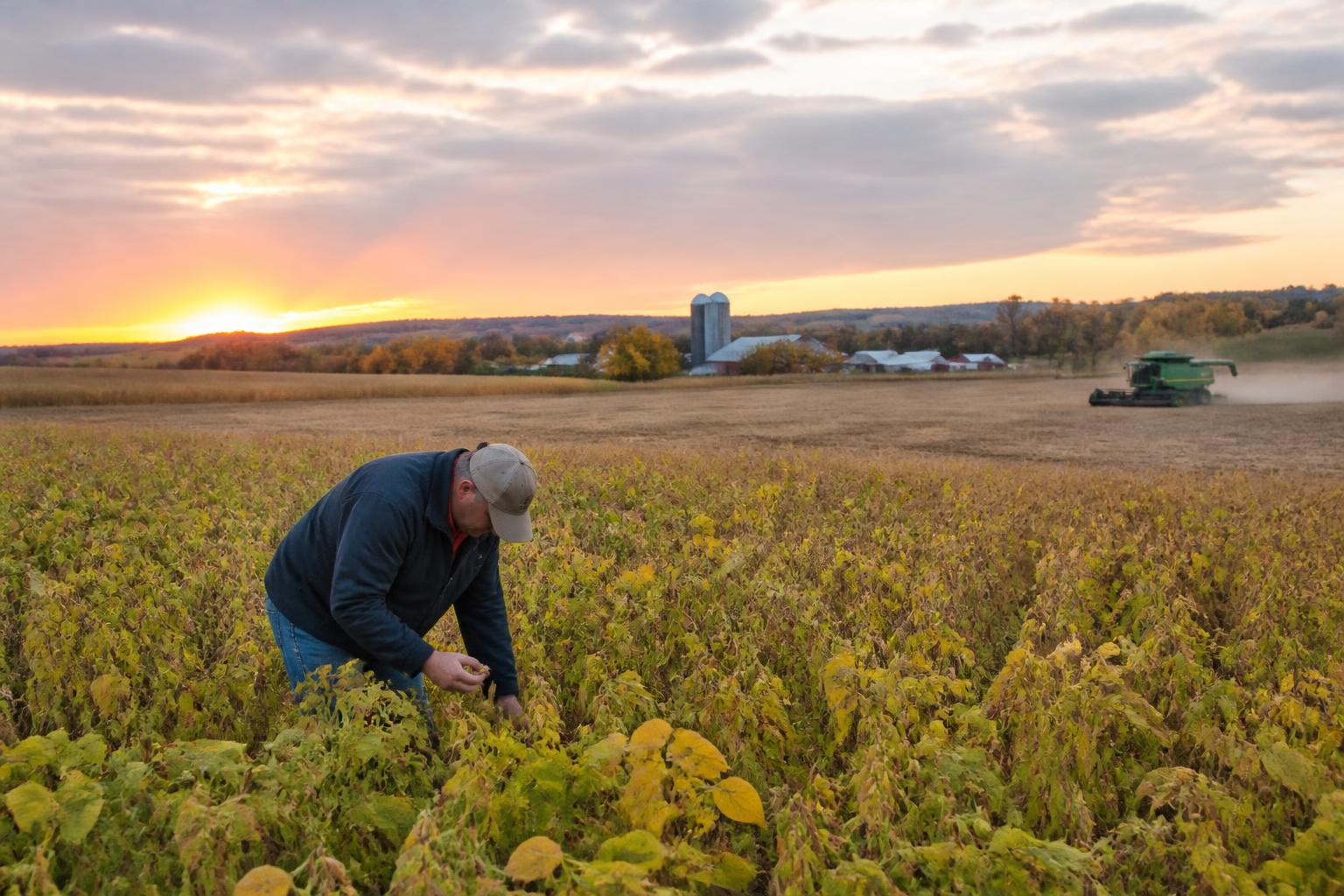
As the fall harvest season progresses across Pennsylvania, local growers are balancing the immediate demands of field operations with the broader, evolving landscape of input economics. With farm consolidation and fluctuating income trends impacting decision-making, many producers are carefully evaluating their current fertilizer and operational realities to maintain productivity while managing margins.
Regional efforts to bolster agricultural sustainability continue to gain traction, with state investments in farmland preservation helping to secure the future for many operations across Pennsylvania. Beyond land conservation, producers are keeping a close watch on legislative developments that could influence future research and development, particularly for those focusing on organic production and soil health management.
Input Planning in a Shifting Landscape
For many farmers throughout the state, the autumn months are a critical window for assessing nutrient management plans. The decision to invest in soil amendments or shift toward bio-based products is often influenced by current economic pressures and the availability of resources designed to improve long-term yield potential. As producers weigh their options, there is an increasing focus on navigating fertilizer markets through strategic procurement and careful consideration of seasonal demand cycles.
The Role of Policy and Innovation
Statewide initiatives, including funding for farm preservation and support for agricultural research, reflect a growing commitment to sustaining the diverse agricultural sectors that define Pennsylvania. Whether it is through the adoption of new bio-based materials or participation in conservation-focused programs, the integration of innovation into daily operations is becoming a necessary step for navigating periods of market volatility and potential income strain.
What it means for the market
The current agricultural climate in Pennsylvania underscores a transition toward more resilient operational models. For grain handlers, input buyers, and service providers, staying aligned with these regional trends is essential. Farmers who prioritize efficient nutrient management and leverage available research support may find themselves better positioned to mitigate the impacts of broader economic cycles and maintain sustainable growth as they prepare for the upcoming cycle.
Comments
No comments yet - be the first to share your take.