
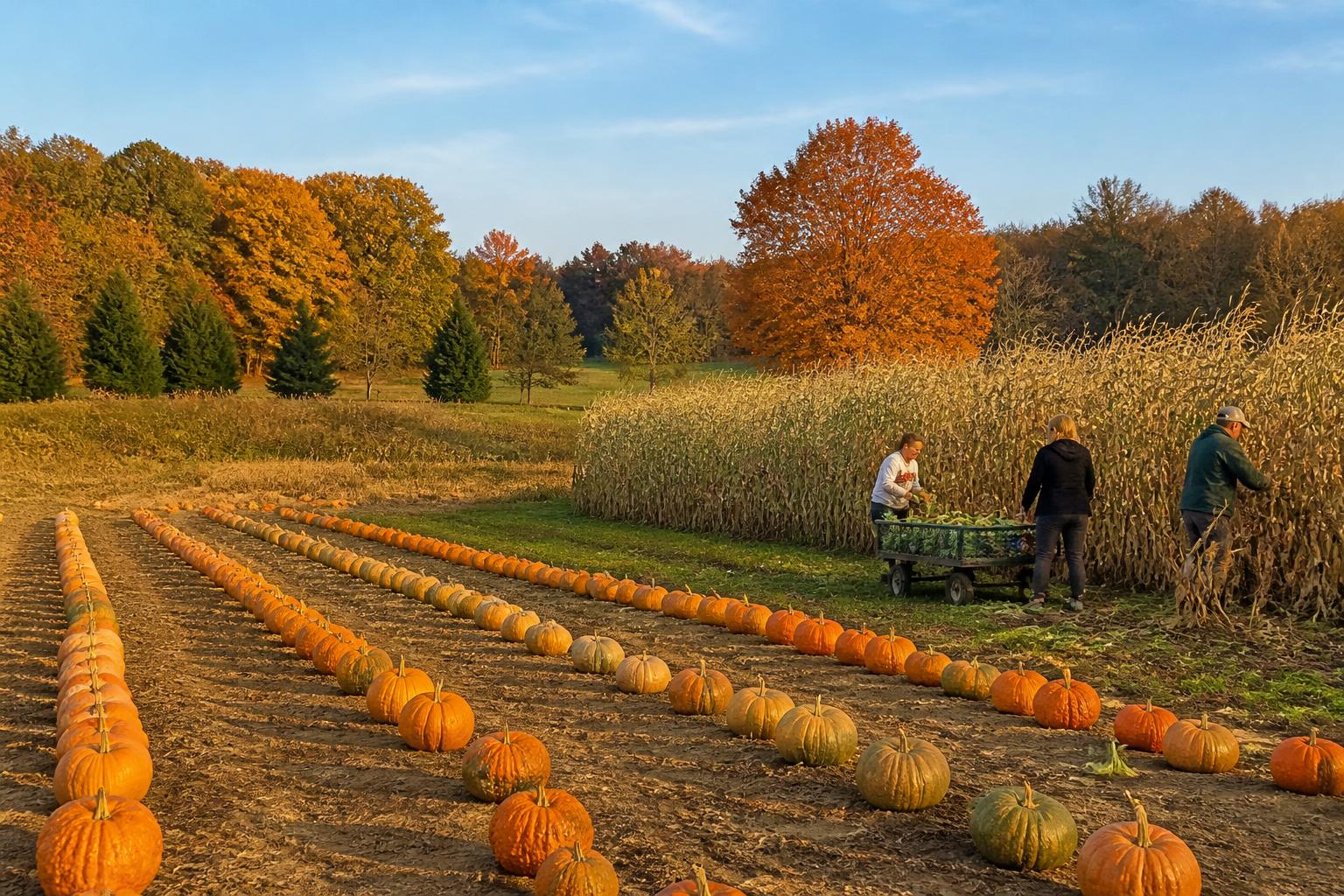
As the fall harvest accelerates across Michigan, growers are managing a complex intersection of operational demands and broader market pressures. From the fertile fields of mid-Michigan to the diversified operations in the northern reaches of the state, the current season requires a heightened focus on risk management. Producers are balancing the immediate logistical requirements of crop collection with the long-term need to maintain soil health and adhere to evolving state regulations.
For many farm businesses, the ability to adapt to shifting policies is becoming a cornerstone of stability. Ongoing dialogues regarding water discharge regulations and the application of specific crop protection tools highlight a challenging regulatory environment. Staying informed about these compliance requirements is critical for handlers and growers alike, as unpredictable rule-making can directly influence input strategies and post-harvest handling plans.
Prioritizing Labor and Efficiency
Labor continues to be a central theme for Michigan agribusinesses. Understanding current labor realities and market trends is essential for farm managers aiming to stabilize their teams during this high-intensity period. Beyond staffing, operational flow remains a key bottleneck; managing the seasonal surge in local transport is vital for those looking to keep grain moving efficiently from field to elevator. Developing a robust logistics strategy can help mitigate potential delays often caused by peak transit volumes in rural corridors.
Building Long-Term Soil Resilience
Investment in regenerative practices is gaining traction among Michigan producers looking to buffer their operations against external volatility. By focusing on soil health and conservation, farms are not only improving the potential for long-term yields but are also aligning with emerging programs that reward sustainable land management. Participating in regional pilot programs may provide additional security for farms looking to offset rising input costs or navigate financial uncertainties.
What it means for the market
For Michigan producers and grain handlers, the focus for the remainder of the season is on mitigating operational risk through better planning and regulatory agility. By addressing regional logistical constraints and prioritizing sustainable practices, stakeholders can better navigate the current market pressures. Strengthening communication across the supply chain, from the local field to the regional exporter, remains the most effective way to ensure a stable and productive close to the 2026 harvest, while preparing for the resiliency needs of the coming year.
Comments
No comments yet - be the first to share your take.