
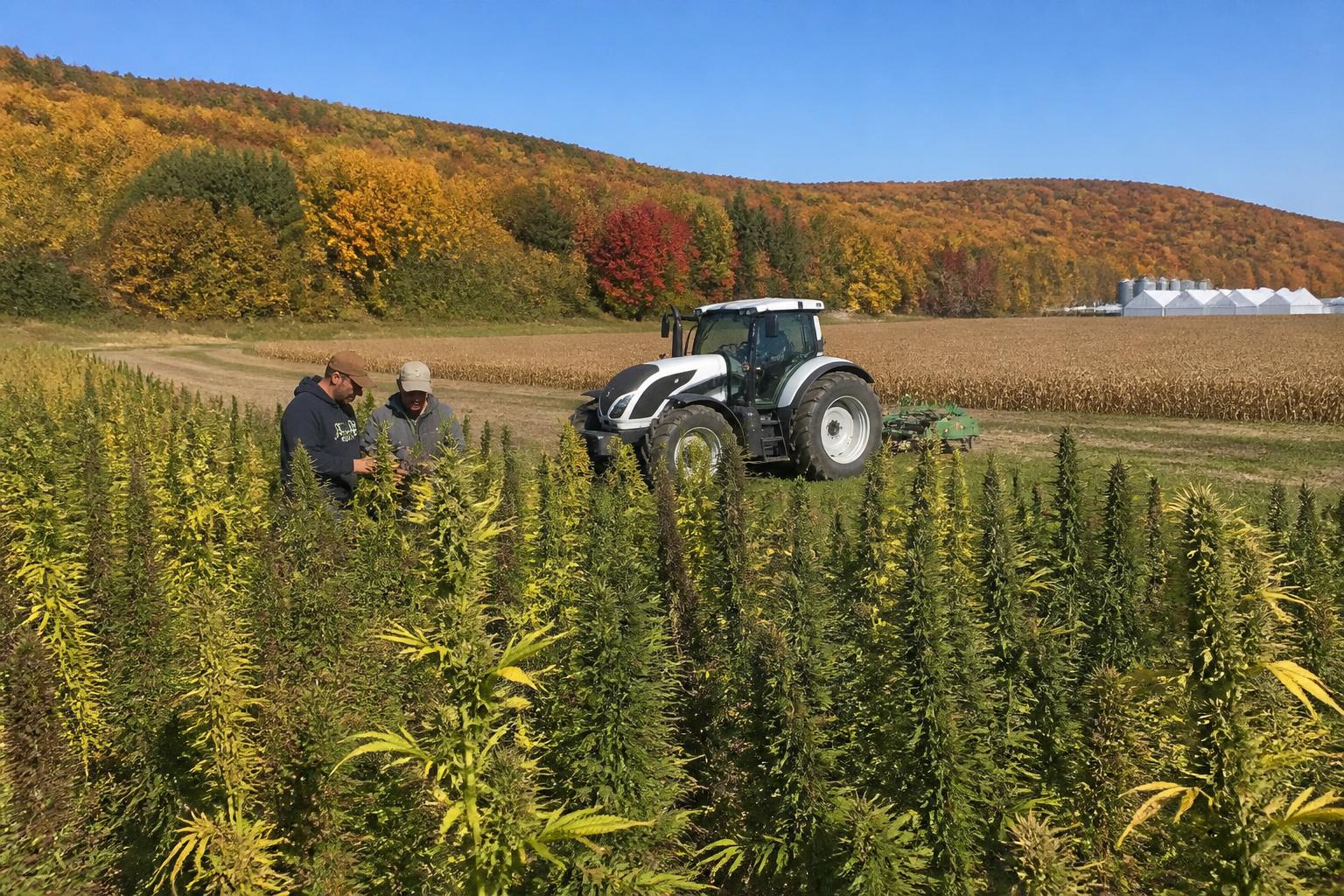
As Michigan producers navigate the final stretches of the fall harvest, the focus across the state is increasingly shifting toward protecting margins and fortifying operational infrastructure. With market volatility remaining a consistent challenge, understanding the tools available for risk mitigation is essential for those managing grain storage, specialty crops, or transitioning to new production models.
The current landscape presents a blend of opportunity and pressure. While many growers continue to refine their operational safety and management strategies during this high-activity window, access to updated risk management programs—such as restored crop insurance options—offers a layer of protection against production uncertainty. These tools are becoming vital as producers look beyond the immediate harvest to secure their financial footing for the next season.
Infrastructure and Growth
Beyond crop protection, regional infrastructure is evolving to meet the demands of modern agribusiness. New grant programs aimed at upgrading key agricultural transport routes and greenhouse facilities are providing much-needed support for supply chain efficiency. In West Michigan and other major production hubs, these investments often help local farms bridge the gap between harvest and market, reducing bottlenecks that have historically plagued logistical flows during peak seasons.
Technological Integration and Scaling
Technology continues to play a pivotal role in managing on-farm storage and minimizing post-harvest spoilage. As many farms expand their capacity, the integration of advanced grain management systems is allowing for more precise control over moisture and temperature, ultimately protecting commodity quality. Additionally, as the state explores diverse crop opportunities—such as expanded hemp variety trials—the role of specialized agricultural research and regional grant-funded facility improvements is proving to be a key driver for sustainable growth.
What it means for the market
For Michigan agribusinesses, the intersection of improved risk management tools and infrastructure investment signifies a shift toward more resilient operations. Producers who prioritize these upgrades, whether through enhanced storage technology or utilizing newly available insurance buy-up options, will be better positioned to navigate the ongoing challenges of rising production costs and seasonal logistics pressures.
Comments
No comments yet - be the first to share your take.