
Securing the Delta Peanut Supply Chain
The Arkansas peanut sector serves as a critical component of the Delta's agricultural landscape. Recent financial interventions have provided a necessary bridge for regional operations, ensuring that processing and handling facilities remain functional through the current season. For growers, these developments are vital, as they stabilize the infrastructure needed to process raw product efficiently. As harvest activities continue across Arkansas, maintaining a consistent flow through local facilities is essential to meeting market demand and securing farmer profitability.
Understanding these financial fluctuations is part of a broader need for growers to monitor local harvest logistics. When local infrastructure faces pressure, the downstream impact can be significant, necessitating adaptive strategies for transport and storage.
Building Resilience Through Agricultural Education
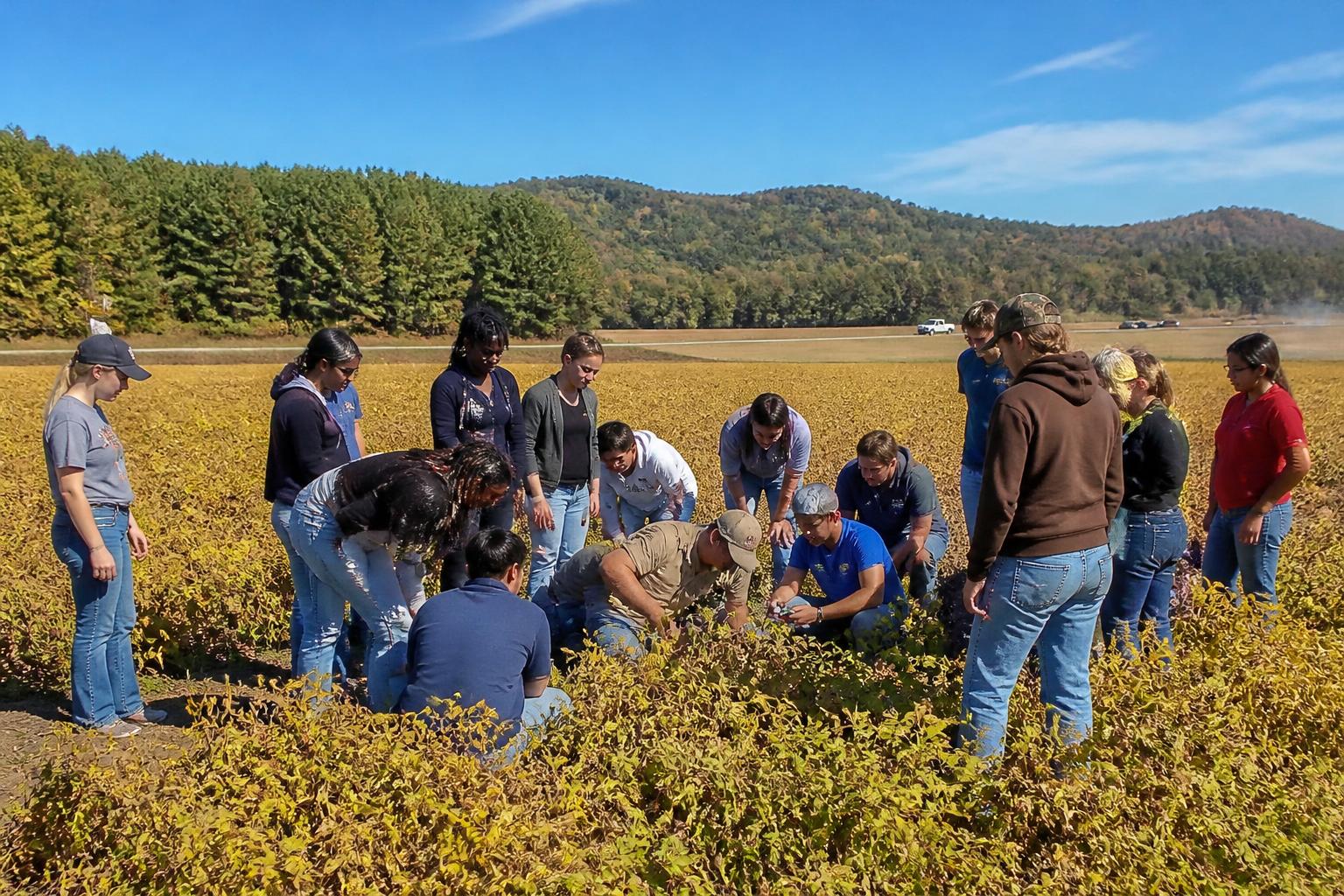
Beyond immediate financial needs, the future of the Arkansas peanut market depends on long-term sustainability and innovation. Educational programs, such as those recently held for university students in the state, are focusing on the integration of new technologies and best practices in modern crop protection and resource management. These initiatives suggest a shift toward more science-driven farming models, aimed at helping producers mitigate risks associated with shifting environmental conditions and rising operational costs.
Key Takeaways for Growers
- Infrastructure stability in the Delta region is increasingly tied to access to credit and regional processing efficiency.
- Educational investments in the next generation of Arkansas farmers are emphasizing data-driven, sustainable management strategies.
- Producers should continue to weigh local infrastructure reliability against broader market price shifts as the fall harvest concludes.
What it means for the market
For Arkansas producers and agribusinesses, the focus remains on leveraging financial stability to maintain output while integrating modern management techniques. While the immediate survival of key processing entities brings relief, the long-term market health hinges on continued efficiency improvements and the adoption of advanced agricultural science to keep the region competitive in a volatile global market.
Comments
No comments yet - be the first to share your take.