
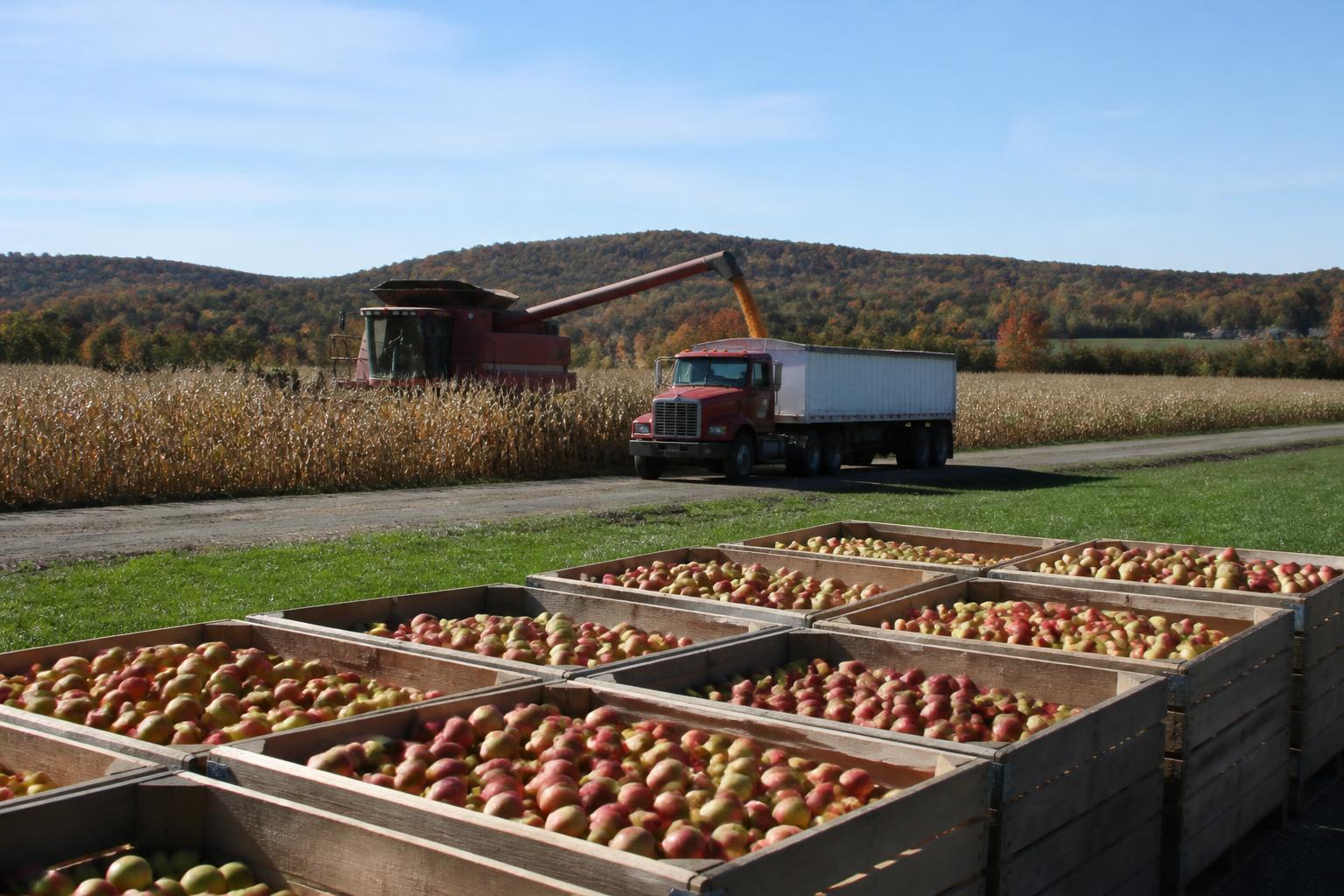
The arrival of autumn brings a critical period for Maine agriculture as growers work through harvest activities while keeping a close eye on field conditions. For those managing grain storage and field logistics, the focus remains on navigating the unique operational demands that arise as temperatures shift and late-season weather patterns fluctuate.
Producers are balancing the need for efficient crop handling with the reality of navigating wet conditions and operational hurdles, which have been a recurring theme in regional reports this fall. Maintaining grain quality during this window often requires proactive monitoring of storage environments to ensure stability against moisture variability.
Managing Soil Health and Regulatory Compliance
Beyond the immediate harvest, farmers across the state are evaluating long-term strategies for land management. As discussions regarding soil amendments and the long-term impact of navigating operational risks and market shifts continue, local agribusinesses are increasingly prioritizing precision applications. Compliance with environmental standards remains a top priority, and growers are encouraged to stay informed on regional requirements for land use to ensure sustained productivity.
Maintaining secure and approved inputs is also vital. Recent observations in agricultural reporting highlight that adherence to legal pesticide application protocols is essential for avoiding crop losses and maintaining marketability, a lesson underscored by recent oversight in northern parts of the state.
Market Outlook and Regional Resilience
For those involved in the supply chain, from elevators to local haulers, the current season emphasizes the importance of resilience. Market dynamics are influenced by both the immediate output of the fall harvest and the broader efforts to strengthen the agricultural infrastructure in Maine. Understanding the local grain market dynamics this fall can provide a significant advantage for those looking to optimize their sales window and manage inventory risk effectively.
What it means for the market
The Maine market remains sensitive to both climate-driven variables and the ongoing refinement of state regulatory frameworks. Farmers who lean into modernized storage management and strict compliance records are better positioned to weather the volatility seen in this year's seasonal cycle. As the industry looks toward the next planning cycle, the focus will likely remain on combining traditional knowledge with updated technology to maximize output per acre while preserving the long-term health of Maine farmland.
Comments
No comments yet - be the first to share your take.