
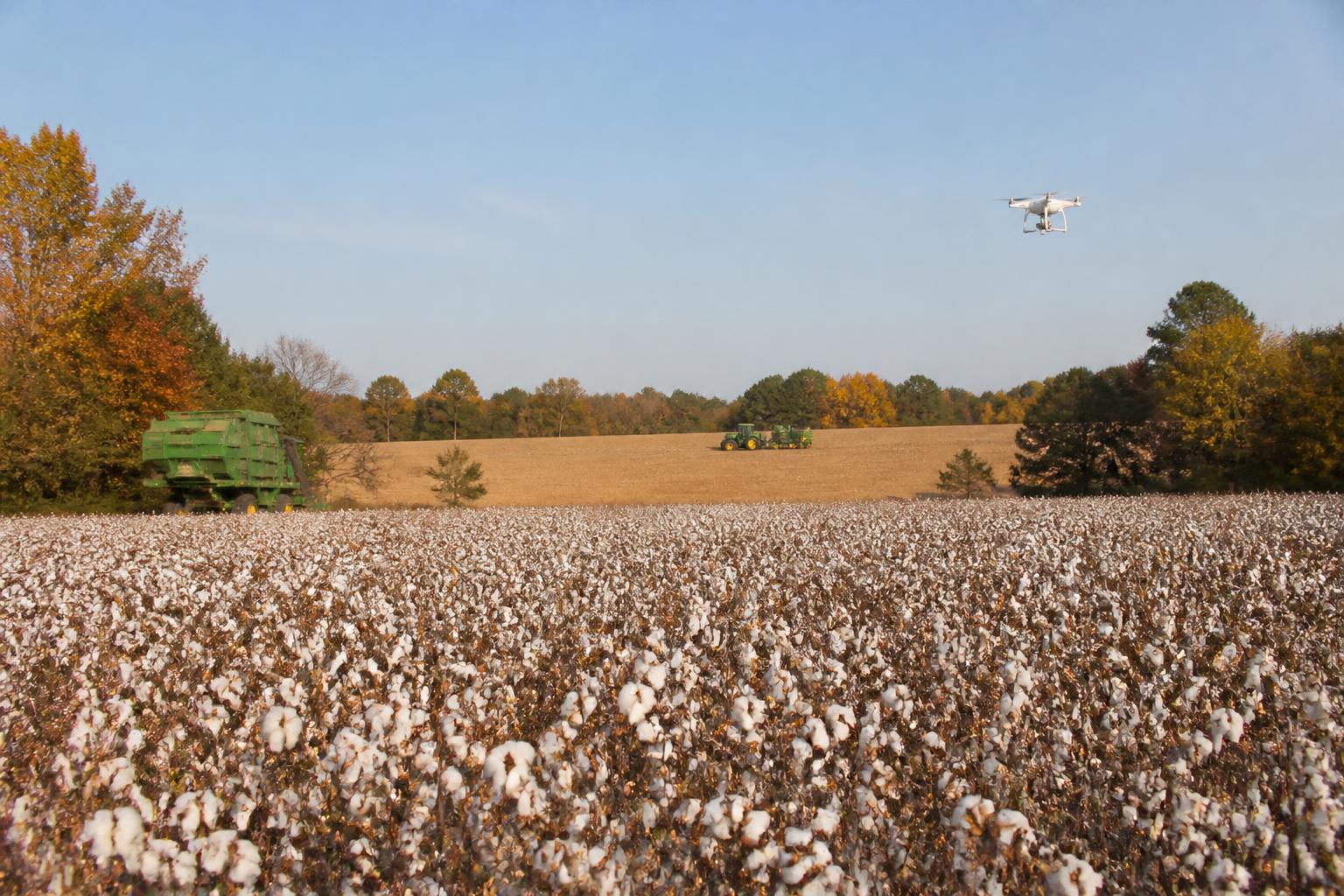
As the fall harvest moves across Mississippi, producers are beginning to shift their focus toward nutrient management and soil preparation for the coming cycle. While current field activity is largely dictated by harvest throughput, early planning for next season's fertilizer requirements is essential as market dynamics shift. Recent developments in national transport sectors, such as the avoidance of potential rail strikes, provide a sense of stability for the movement of essential inputs, which may assist in maintaining more predictable lead times for fertilizer shipments into the Delta region.
Managing Field Health and Emerging Risks
Proactive field management remains a priority during these autumn months. In addition to standard soil testing and amendment scheduling, growers should remain vigilant regarding new pest pressures. Extension scientists have recently advised the public to keep a watchful eye for new insect threats that could impact regional crop health, potentially influencing future input decisions and crop protection strategies. Integrating these observations into your field protection and resource management plans can help safeguard yields.
Infrastructure and Logistics Resilience
Logistical efficiency is the backbone of the Mississippi agricultural economy. As the harvest peaks, maintaining smooth operations between the field and the elevator is critical. While rail transportation appears more reliable than in recent cycles, regional infrastructure still faces the usual seasonal pressures. Producers often find that maintaining clear lines of communication with local carriers and supply partners helps mitigate the risk of late-season bottlenecks, a theme common to discussions regarding Mississippi River freight logistics.
Diversification and Future Outlook
Beyond traditional commodity production, many Mississippi farms are increasingly exploring alternative revenue streams, including the growing popularity of agritourism, which can provide a buffer against fluctuating input costs. Furthermore, as the industry eyes long-term agricultural sustainability, initiatives like the USDA-backed seed sovereignty programs may eventually influence the types of inputs and cultivars that become standard in our local fields. For those deep in the season, continued focus on balancing late-season pressures with logistical needs remains the most effective way to navigate October.
What it means for the market
For Mississippi producers and agribusinesses, the immediate focus is on harvest efficiency, but the cooling temperatures serve as a reminder to secure fertilizer positions early. With stable rail logistics and evolving pest management concerns, successful operations will be those that integrate robust scouting with a well-planned input procurement strategy to avoid the volatility often associated with last-minute supply chain surges.
Comments
No comments yet - be the first to share your take.