
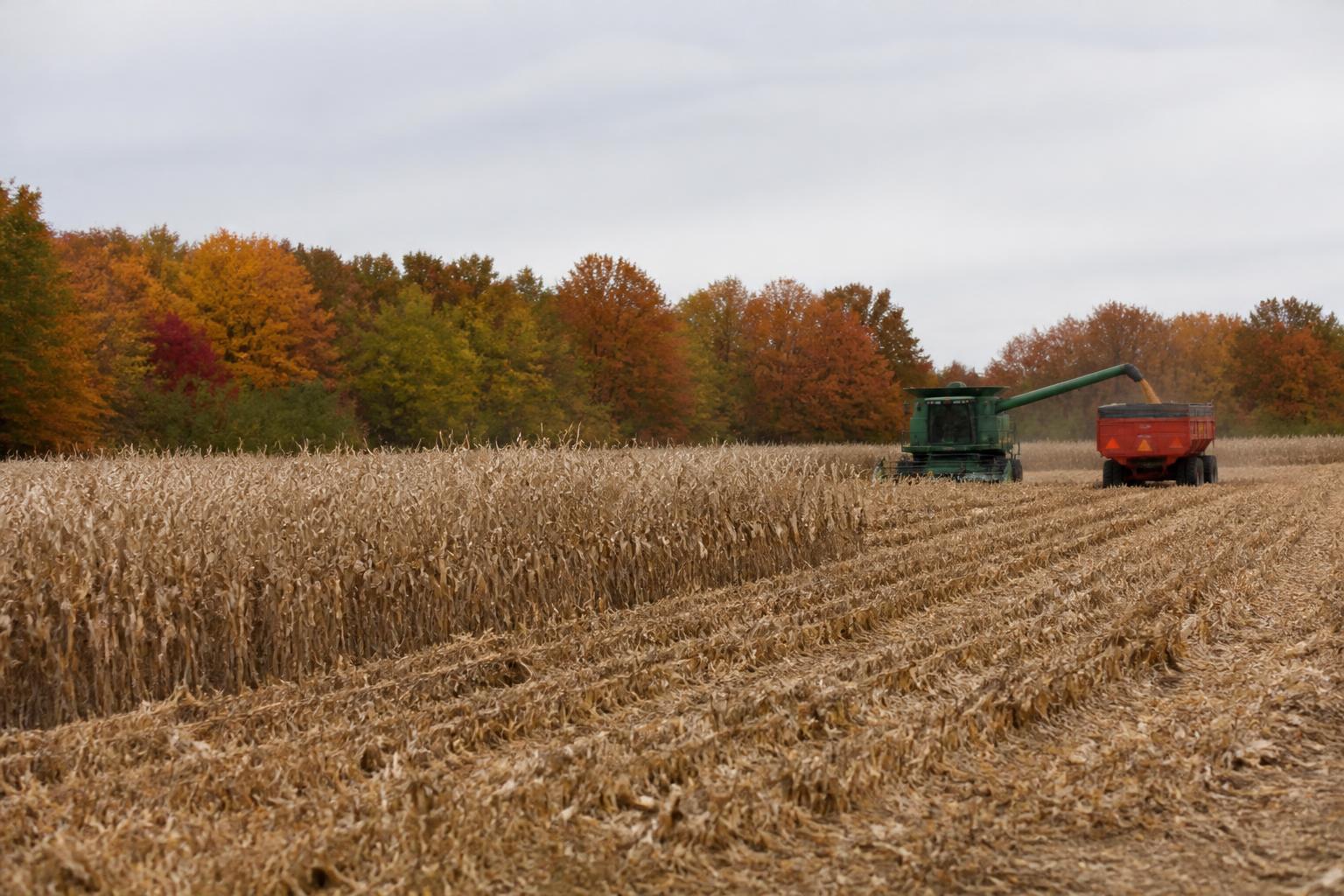
Michigan producers are currently navigating a complex harvest season, where favorable moisture earlier in the year has supported crop development but also ushered in specific agronomic hurdles. While many fields are seeing the benefits of timely rainfall throughout the growing cycle, the persistence of tar spot remains a primary focus for growers monitoring their final bushel counts.
As operations shift toward high-gear harvest, effective risk management has become the primary driver for bottom-line stability. Beyond field-level threats, maintaining operational resilience is essential for farmers managing tight margins. Whether identifying specific storage solutions or coordinating with local elevators to minimize wait times, proactive planning continues to be the best defense against seasonal bottlenecks.
Logistics and Market Access
Moving grain efficiently is a perennial challenge for Michigan agribusinesses. With harvest volume peaking, transport capacity is being tested across the state’s key transit corridors. Producers should continue to account for the realities of local supply chains when scheduling deliveries. Understanding the current landscape of seasonal logistics and regional bottlenecks can help carriers and handlers optimize their flow and mitigate delays at intake points.
Leveraging Local Infrastructure
The state's geographic position offers unique opportunities for producers looking to optimize their grain movement. Facilities like the Port of Monroe have increasingly become a focal point for discussions regarding the state’s agricultural reach and its ability to connect local products to broader markets. Engaging with these regional assets may provide producers with more flexible options as they move their corn crop from the field to the terminal.
What it means for the market
The convergence of yield variability, crop disease pressure, and logistical constraints suggests a challenging, yet manageable, finish to the season. For grain handlers and farmers, the priority remains clear: protecting the quality of harvested corn while leveraging existing infrastructure to navigate the current Michigan grain market landscape effectively. Success this year will likely hinge on the ability to remain agile in the face of both biological threats and localized transit fluctuations.
Comments
No comments yet - be the first to share your take.