
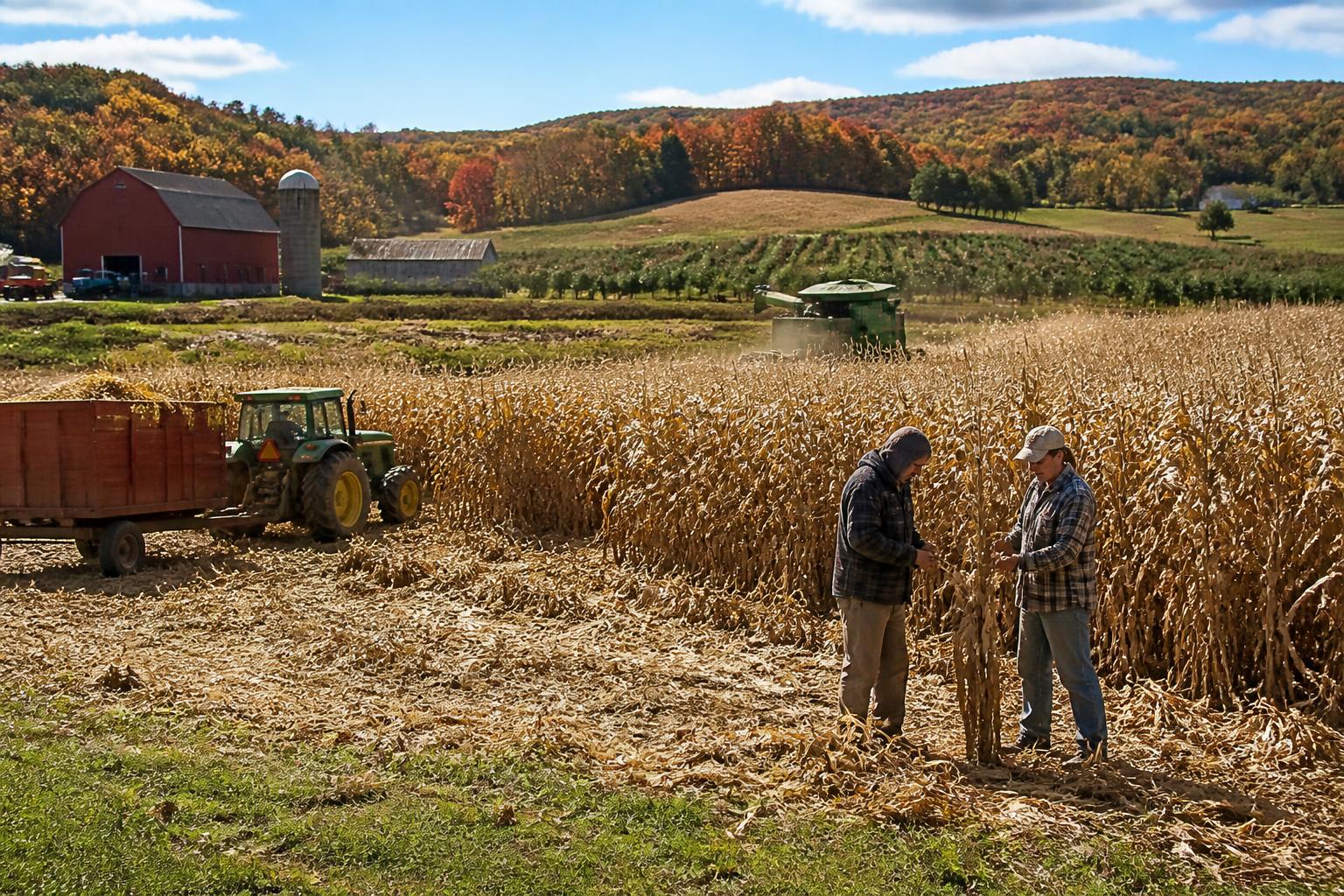
As Maine agriculture moves deeper into the fall season, producers across the state are contending with a complex mix of economic pressures. From the dairy sector to specialized grain operations, farm businesses are reporting a difficult environment defined by rising operational costs and the persistent need for efficiency in the field. For many local growers, managing these variables is essential to maintaining solvency as the year draws to a close.
Market participants are closely watching how regional volatility impacts the bottom line. Recent data indicates that many local enterprises, particularly in the dairy and grain sectors, continue to face significant financial hurdles. Support programs, including recent infusions of USDA funding, have provided some relief, but experts suggest that long-term sustainability will depend on producers' ability to navigate shifting supply chains and manage rising labor and input expenses. For a deeper look at how some local operators are adjusting to these shifts, see our recent analysis on Maine farm resilience.
Input Management and Operational Efficiency
In the current market, precision in fertility management and resource allocation is more critical than ever. As farmers evaluate their seasonal performance, the emphasis on rigorous soil testing and input optimization remains a top priority. Whether dealing with traditional row crops or emerging agricultural methods, minimizing waste is helping some growers mitigate the impact of broader economic headwinds.
Furthermore, the logistics of moving products and securing necessary inputs remain a frequent topic of conversation among local carriers and elevator managers. With the harvest window narrowing, the efficiency of regional transport infrastructure can significantly influence the margins for both large-scale operations and smaller, diversified farms. These logistical considerations are part of a broader trend affecting producers, as outlined in our report on navigating fall operational challenges in the state.
What it means for the market
The immediate outlook for Maine agriculture suggests a continued period of adaptation. Producers who prioritize diversified revenue streams and maintain strict control over input costs are generally better positioned to withstand the current market volatility. Agribusinesses should remain alert to potential shifts in trade dynamics and regional supply availability as the industry prepares for the upcoming winter transition.
Comments
No comments yet - be the first to share your take.